Alumni Profiles

2019 Fellows

Graham Bullock
Ever since growing up in Washington, DC, I have had a long-standing interest in understanding and bridging partisan divides in American politics. This interest has only grown stronger in recent years, as it seems that nearly every issue, including those that I study in the context of environmental politics, from climate change to the funding of the EPA, has been sucked into the polarization/partisanship vortex, which then inhibits any significant action on them. ICER helped me explore how to I can productively engage with this challenge to our democracy as a political science scholar and faculty member at Davidson College.
At ICER, I worked on thinking through a new project related to polarization and deliberation in American politics. The workshop helped me better conceptualize the project as a civically-engaged research project that was founded on a strong collaboration with both relevant offices at Davidson College and local community organizations. It also helped me work through the next steps of the project and the obstacles I would likely face along the way. I learned more about how I might more deeply engage – beyond class projects, interviews and survey instruments — with relevant organizations and interested citizens in both the research process and taking action on the results of that research. ICER also gave me the opportunity to learn from scholars who have successfully made these connections in their own research and get advice from them on the best ways to do so.
Since ICER, the project has evolved into Davidson’s Deliberative Citizenship Initiative, which aims to create opportunities for people to productively engage with one another on difficult issues facing our society. It includes curricular, co-curricular, community, and research components, and has so far involved a wide range of Davidson students, staff, faculty, and community members. We received a generous grant that has supported the development of a Deliberative Citizenship Fellows Program, the hosting of Deliberative Forums and “D” Teams, and more. A variety of local organizations and campus offices are involved in these programs, which we are evaluating using several different research methods. In designing and implementing the project, I have been deeply informed by CER principles and practices related to both collaborative partnerships and rigorous research that we discussed at ICER.

Margaret Commins
Dr. Maggie Commins enjoys teaching courses in Latin American politics, U.S.-Latin American relations, international political economy, comparative politics of developing countries, and U.S. immigration policy. She is the 2020 recipient of Queens’ Hunter-Hamilton Love of Teaching Award.
Dr. Commins’ research interests include U.S. immigration policy, U.S. policy toward Latin America, civically engaged research, and the scholarship of teaching and learning. She is a 2016 North Carolina Campus Compact Faculty Engaged Scholar.
On ICER: “I was part of ICER’s inaugural cohort, benefitting immensely from participating in this developing network of scholars. It’s empowering to learn that this type of research is valued in the discipline. And, the opportunity to learn from and work with colleagues from other institutions improves both my teaching and research. I am currently working on a CER project in the City of Charlotte, supporting the Office of Equity, Inclusion, and Immigrant Integration’s efforts to make Charlotte a truly “welcoming” city. I workshopped my initial idea for this sabbatical project with ICER colleagues, and continue to collaborate on the work with several from my cohort, supported by an APSA Special Projects Fund. I also contributed to a co-authored article on the benefits of CER in the classroom in the forthcoming PS: Political Science and Politics symposium, a product of our ICER cohort.”

Jordie Davies
Jordie Davies is a Political Science doctoral candidate at the University of Chicago, studying American political behavior. Jordie is a Ford Foundation Dissertation Fellow.
Jordie’s dissertation, “From Adherents to Activists: The Process of Social Movement Mobilization” examines social movement support and participation at the aggregate and local levels, breaking down the various paths to political activism in contemporary progressive and racial justice movements, especially the Movement for Black Lives.
Jordie’s broader research and writing interests include Black politics and political thought, US social movements, and Black feminism. Her research agenda focuses on the influence of social movements on political attitudes, activism, and political participation.
Jordie’s dissertation research is supported by Berkeley’s Center on Democracy and Organizing, and she has been awarded the Ford Foundation Pre-Doctoral Fellowship, the Diversifying Faculty in Illinois Fellowship, and the APSA Minority Fellows Grant.
Jordie holds a Master of Arts in Social Sciences from the University of Chicago. She received a BA in Political Science from Emory University, in Atlanta, GA, with a minor in Educational Studies.

Kirstie Lynn Dobbs
I applied to participate in the 2019 ICER cohort because I was eager to build bridges between my research and communities. I also wanted to meet like-minded academics grappling with the same questions around the intricacies of conducting this type of work.
ICER impacted my research agenda and productivity by allowing me the opportunity to “break free” of assumptions about my identity as a scholar. I came into ICER identifying as a comparative politics scholar with a background in international relations and expertise in the Middle East and North Africa. I left ICER realizing that I could connect my work in the MENA region with the political phenomenon happening in my own backyard. I now allow myself to adapt my agenda to fit with major current events while positioning each effort as a chance to better humanity.
For example, post-ICER, I entered into new partnerships with community organizations, including the American Geophysical Union’s Thriving Earth Exchange. I am currently involved in a pilot study where I provide the expert “political perspective” on resolving tensions involving environmental policy issues in local communities. This collaboration will lead to a research output that broadens our understanding of creating more avenues for political scientists to work directly with organizations and communities to put political science to work to solve societal issues. Given my expertise on youth political engagement and social movements, I currently collaborate with civil society organizations to provide spaces and create programs that respond to the COVID-19 created education gap among underrepresented youth. This particular experience has broadened my scholarly knowledge of youth activism and civic engagement. It will help me conduct research that will hopefully move youth-driven social movements towards institution building and structural change.
Becoming a part of a civically engaged research network has been one of the most rewarding and career-enhancing experiences I have had as a junior scholar. To start, the scholars in the ICER network base their interactions with one another on mutual respect, camaraderie, and humility. We appreciate each of our colleagues’ experiences to the table, which allows us to work together as collaborators truly. The respect I have for each of my colleagues in this network is immense, and it has helped me transition from a Ph.D. candidate to an active member of an intellectual community.

Douglas Hess
Douglas R. Hess is an independent scholar and has taught political science and policy studies for Grinnell College, Smith College, Georgetown University, and George Washington University. He has published research in PS: Political Science and Public Administration Review. With three colleagues he met through ICER, he is co-editing a special symposium on civically engaged research in PS: Political Science (Oct. 2021). His research interests are in voting rights, food security, social policy, and program evaluation. In addition to his scholarly work, he spent twenty years in DC working for a variety of leading nonprofits in the areas of community and labor organizing, LGBT rights, human rights, food policy, and voting rights. He holds an MA in Policy Studies from Johns Hopkins University and a PhD in Public Policy from George Washington University.

Jenn Jackson
Jenn M. Jackson (they/them) is a queer genderflux androgynous Black woman, an abolitionist, a lover of all Black people, and an Assistant Professor at Syracuse University in the Department of Political Science.
Jackson’s primary research is in Black Politics with a focus on group threat, gender and sexuality, political behavior, and social movements. Jackson also holds affiliate positions in African American Studies, Women’s and Gender Studies, and LGBT Studies. They are a Senior Research Associate at The Campbell Public Affairs Institute at the Maxwell School at Syracuse University, as well.
Jackson is the author of the forthcoming book BLACK WOMEN TAUGHT US (Random House Press, 2022). The book is an intellectual and political history of Black women’s activism, movement organizing, and philosophical work that explores how women from Harriet Jacobs to Audre Lorde to the members of the Combahee River Collective, among others, have for centuries taught us how to fight for justice and radically reimagine a more just world for us all.
Jackson’s first academic book project POLICING BLACKNESS investigates the role of group threat in influencing Black Americans’ political behavior. Methodologically, they utilize quantitative analyses of survey data and experiments as well as qualitative analysis of in-depth interviews with young Black Americans ages 18 to 35 to investigate both intergroup and intragroup differences in responses to and ideas about group threat. Jackson finds that Black women are most likely to express concerns about state-based and intragroup threat. Comparatively, Black men vary drastically in their responses to group threat depending on their sexual orientation, gender expression, and vulnerability to stereotypes.
As a recipient of many prestigious honors and awards, Jackson is a 2020 recipient of the Tenth Decade grant ($20,000) and the CUSE Seed Grant ($5,000) funding her book research.

Brian Shoup
Brian Shoup is an Associate Professor of Political Science and Public Administration and a research fellow at the MSU Social Science Research Center. He teaches courses and conducts research on intra-state conflict, ethnicity and politics, nationalism and politics, and public policy. Originally from Omaha, Nebraska, he received his PhD from Indiana University in 2007. He co-founded the Civic Life Lab in 2018 in order to study how political order can be sustained in the face of centrifugal forces that erode civic bonds. His research has appeared in such journals as Perspectives on Politics, Democratization, Journal of Democracy, and Journal of Labor Research. He is the author of Conflict and Cooperation in Multiethnic States (Routledge).

Randy Villegas
Randy Villegas is an assistant professor of Political Science at College of the Sequoias and a Ph.D. Candidate in Politics, with a designated emphasis in Latin American and Latino studies at the University of California, Santa Cruz. A Kern County native, Villegas earned his B.A. in Political Science at CSU Bakersfield in 2017, and his Associates Degree in Political Science from Bakersfield College in 2015. Villegas’s research interests are rooted in the experiences and communities he comes from: Latino Politics, Immigration, Civic Engagement, Poverty, and California’s Central Valley.
Before beginning graduate school, Villegas worked as a journalist and an organizer in Bakersfield, CA, where he helped lead the 2016 Social Justice series and the 2017 May Day Resistance march in Bakersfield. Villegas has written many reported pieces as well as opinion editorials in publications like the Los Angeles Times, the Bakersfield Californian, South Kern Sol, and El popular, a Spanish newspaper in Bakersfield.
Randy was recently re-elected as a delegate for the California Democratic Party, representing the 31st assembly district (formerly served in the 32nd ), and serves on the board of directors for Alisal Community Arts Network (ACAN), and Power California. After graduate school he hopes to return to the Central Valley to inspire other young scholars and make a difference.

H. Howell Williams
I am currently an Assistant Professor of Political Science at Western Connecticut State University. My scholarship is oriented toward history and political development, and I am interested in family as a site of policy implementation and the impact of public policy on identity over time.
As a faculty member in a small department, I am often looking for colleagues outside my home institution for whom improving democratic participation and addressing social and political inequalities are pressing scholarly concerns. My ICER cohort was instrumental in helping to orient my research and teaching toward engaging community partners in the western Connecticut region.
Participating in ICER helped me incorporate civic engagement into two ongoing projects. The first project focuses on the impact of the Supreme Court case Loewe v. Lawlor (1908) on laborers in the hatting industry in western Connecticut. In collaboration with community partners, my co-author and I are developing tools that apply the lessons from this historical period to contemporary efforts to secure greater labor protections and rights for immigrant groups in Danbury, CT. The second project concerns fatherhood as a site of welfare policymaking. Conversations with my working group at ICER pushed me to incorporate community organizations that are presently working to develop more equitable family policies in my historical analysis. In both projects, I seek to connect history and political development to contemporary challenges facing minoritized groups.
ICER also benefited my pedagogy in important ways. The diversity of examples of engaged research we encountered helped me expand the range of materials I assign in class. While I have always valued experiential learning, my ICER experience deepened my commitment to breaking down barriers between classroom learning and life outside the academy.
2022 Fellows
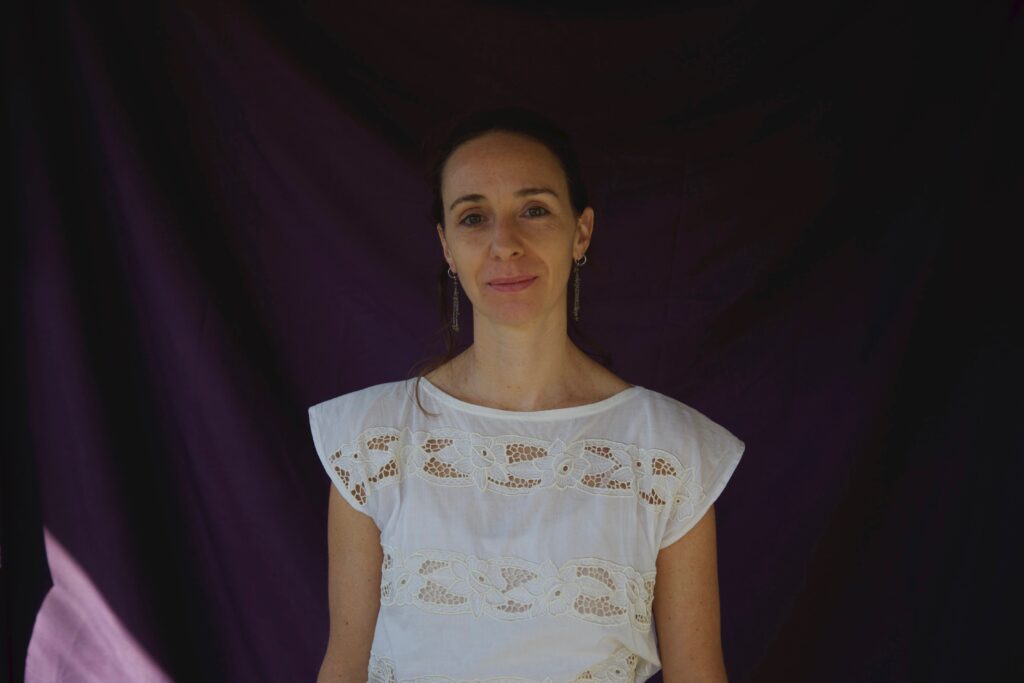
Alexandra Delano Alonso
Alexandra Délano Alonso is Associate Professor and Chair of Global Studies at The New School and the current holder of the Eugene M. Lang Professorship for Excellence in Teaching and Mentoring. She received her doctorate in International Relations from the University of Oxford. Her research focuses on diaspora policies, migration in the Central America-Mexico-US corridor, and the politics of memory in relation to borders and violence. Her work is driven by a concern with the inequalities underlying forced migration, the structures that lead to the marginalization of undocumented migrants in the public sphere, and the practices of resistance and solidarity focused on migrants’ access to rights, from a transnational perspective. She is the author of Mexico and its Diaspora in the United States (2011), From Here and There (2018) and the poetry collection Brotes (2021). She is also co-director of the short film Fragments (2021). Traversing academia, activism, art and poetry, her works seeks to create a dialogue that centers transformation and social justice.

Jody Neathery-Castro
Dr. Neathery-Castro is the Interim Director of the School of Music at the University of Nebraska at Omaha. She previously served two terms (2015-2021) as the Chair of the Political Science Department. She is passionate about promoting democratic engagement and civic literacy. She serves as the campus representative to the American Democracy Project and an ADP Global Civic Literacy Fellow. She recently led her campus strategic planning around internationalization (ACE Internationalization Lab). She has conducted pedagogical research in the areas of service learning, study abroad, and civic education. Dr. Neathery-Castro is a Research Fellow in the National Strategic Research Institute (NSRI) and a faculty member in USSTRATCOM’s Strategic Leadership Fellows Program. Her regional expertise is in European politics and she teaches and researches in the areas of international relations, comparative politics, gender, and security. Recent externally-funded research has examined Gender and Deterrence under the US Women Peace and Security Act and evaluated the feasibility of using AI to improve intelligence decisionmaking and analysis.
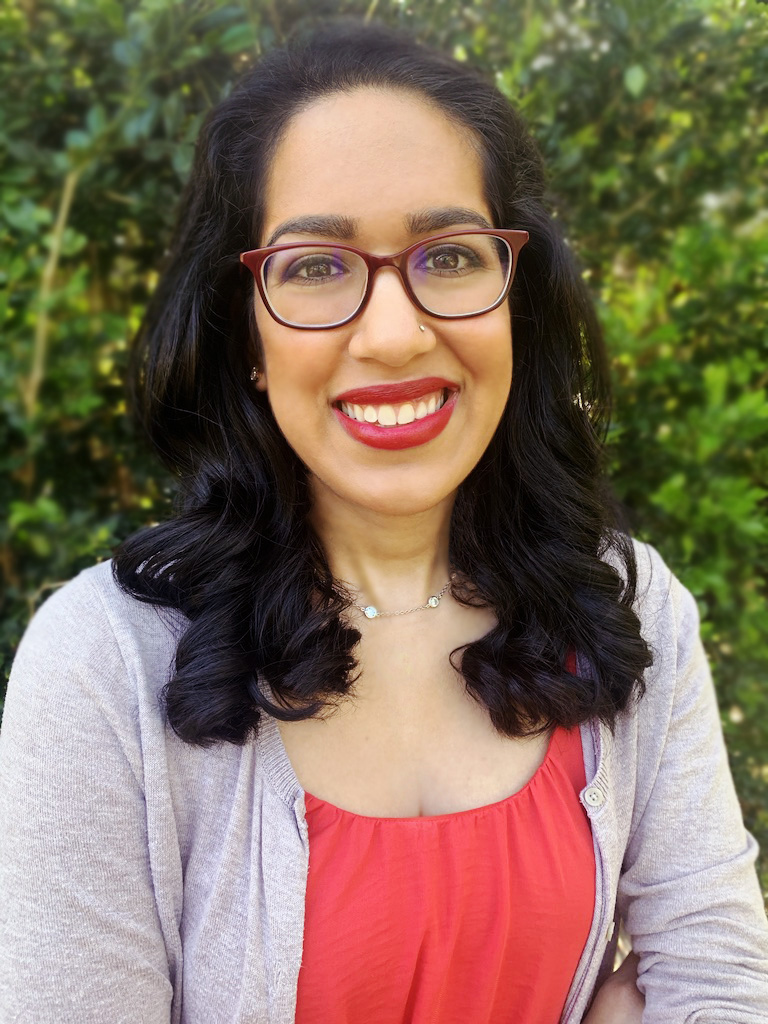
Tara Chandra
Tara Chandra is a PhD Candidate in Political Science at UC Berkeley. Her research falls primarily at the intersection of gender and international security. Her dissertation project focuses on explaining variation in insurgent targeting, both within and between conflicts. Tara’s work also addresses broader theories of insurgency/counterinsurgency, and the causes and consequences of political violence more generally.
She holds an undergraduate degree in Political Science from the University of Chicago, where she graduated with Honors in 2011. Tara also holds an MA in Global Affairs from Yale University’s Jackson Institute for Global Affairs.
Prior to her graduate study at Yale, Tara worked at the Carnegie Endowment for International Peace, where she served as David Rothkopf’s lead researcher on a book on U.S. foreign policy and national security (National Insecurity: American Leadership in an Age of Fear). A selection of her previous internship experience includes the Center for Arms Control and Nonproliferation, the Brookings Institution, and Capitol Hill.
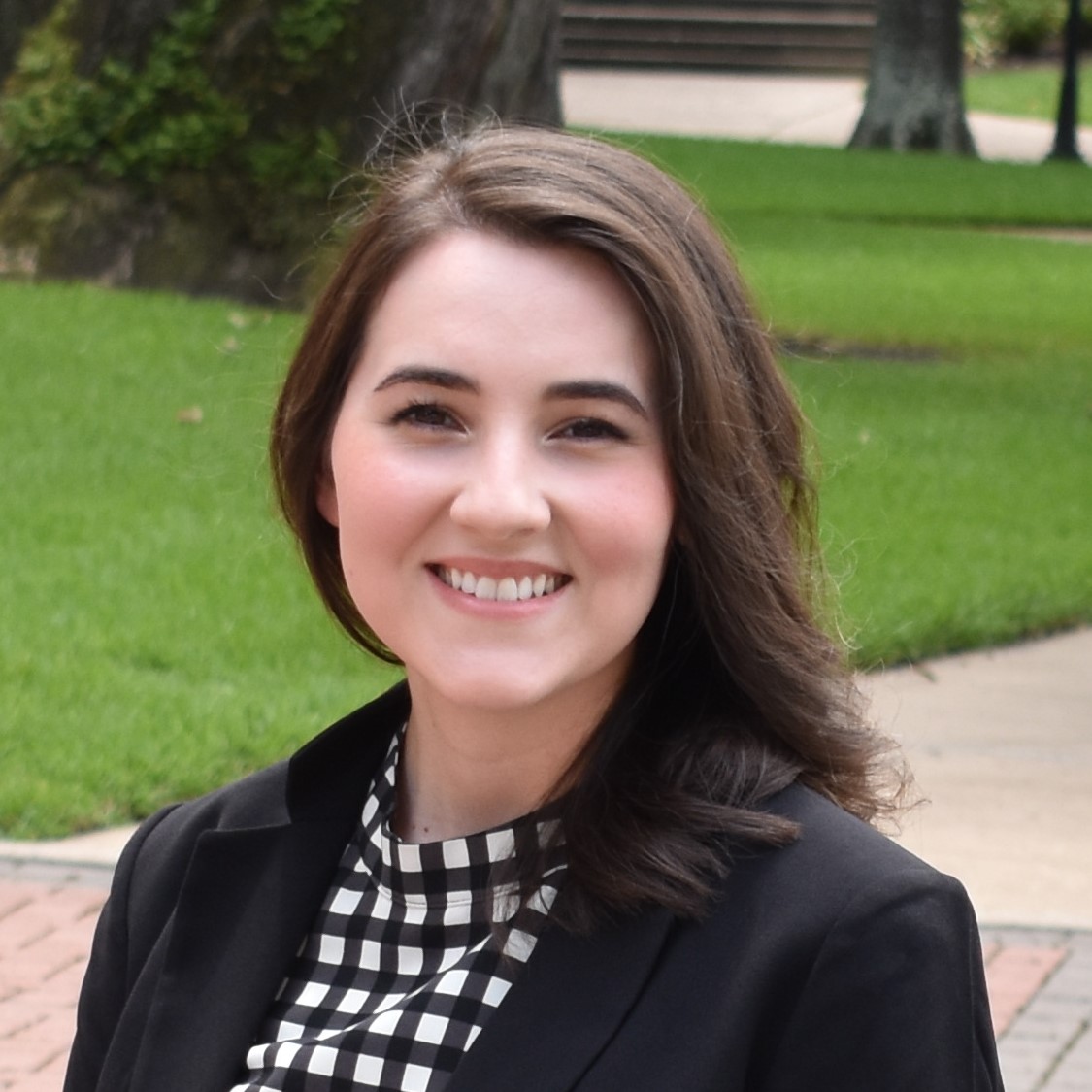
Samantha Chapa
Samantha Chapa is a PhD candidate in the Department of Political Science at the University of Houston. Her National Science Foundation-funded research focuses on the political rights and representation of migrants and people of color. She has presented work on immigrant inclusion in urban politics, the effects of policy on anti-immigrant sentiment, and the international diffusion of sophisticated migrant tracking methods both domestically and internationally. Prior to graduate school, Samantha worked as a Department of Justice Accredited Representative with the Immigration and Citizenship program at BakerRipley, a nonprofit in Houston. In this capacity, she provided legal representation to refugees, asylees, immigrant youth, and survivors of abuse. She also worked on the Welcoming Houston initiative, where—along with her team—she proposed inclusive immigrant integration policies to Mayor Sylvester Turner. She completed her Bachelor’s in English and History at Rice University, where she nurtured a love of civic engagement, community development, and local politics.
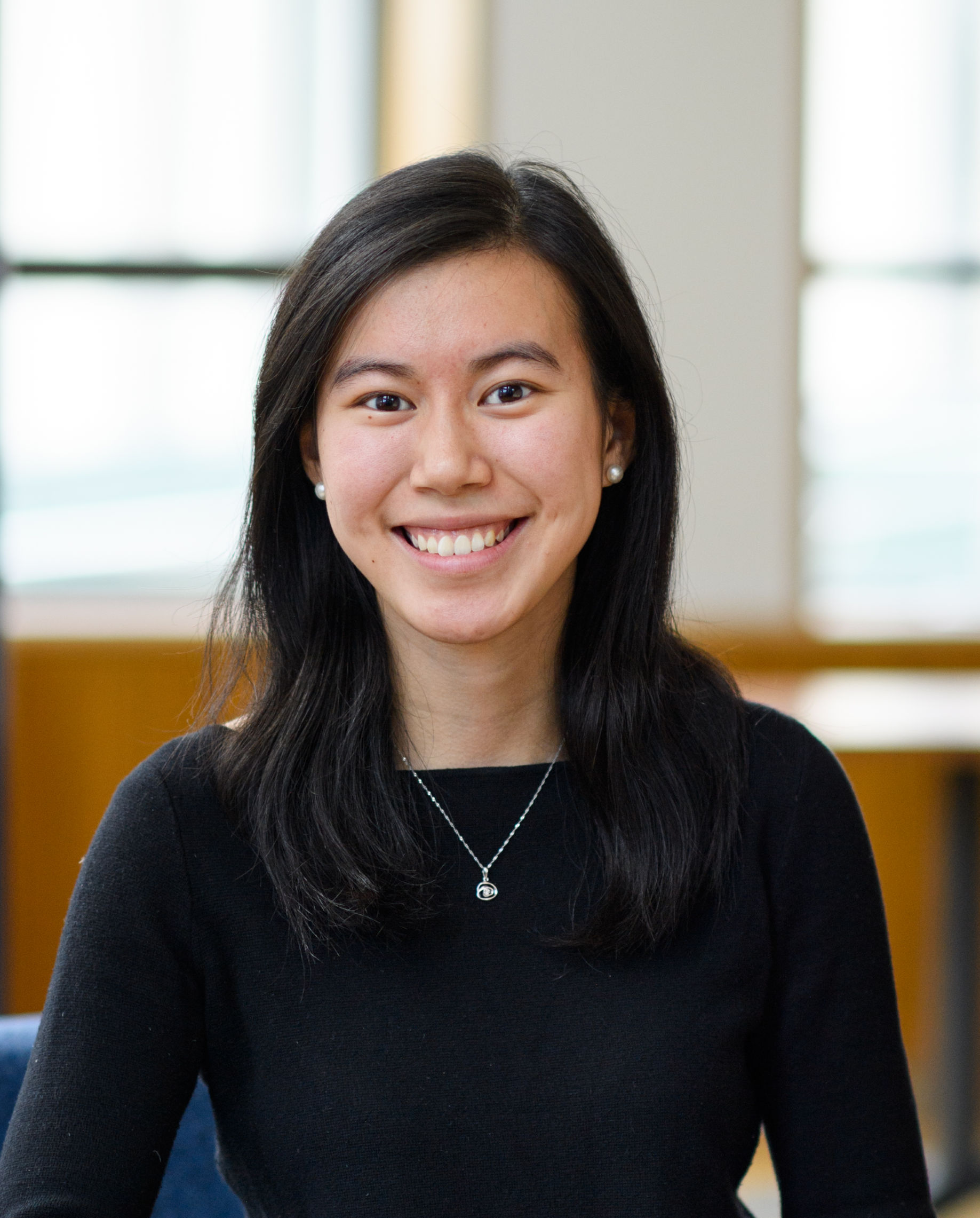
Sonya Chen
Sonya Chen is a Ph.D. candidate in the joint degree program in Politics and Social Policy at Princeton University. Her research interests are in race and ethnic politics, social movements, and intergroup relations. Using mixed methods, her dissertation examines the construction of Asian American identity and interests in the era of Black Lives Matter and Stop Asian Hate, and its implications for multi-racial coalitions and carceral policy. Sonya’s other projects examine the challenges and possibilities of coalitions between communities of color. She is an APSA Diversity Fellow and co-editor of the Politics, Groups, and Identities special issue on the two-decade retrospective of racial triangulation theory. Her organizing outside of academia, which deeply informs her scholarly work, has centered on housing and economic justice, advocating for Asian American studies in K-12 schools, and building new structures of collective care through mutual aid. She has worked with organizations including CAAAV: Organizing Asian Communities, Make Us Visible New Jersey, and Princeton Mutual Aid.
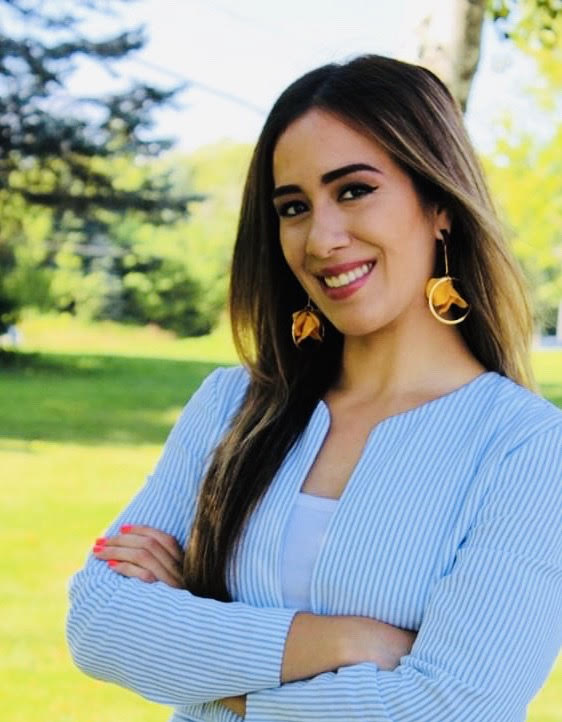
Kennia Coronado
Kennia Coronado is a PhD Candidate in the Department of Political Science at the University of Wisconsin-Madison. Her research interests lie broadly at the intersections of race and ethnicity, political behavior, and political communication.
In her dissertation, she investigates the processes and mechanisms under which Latinxs are mobilized to participate in U.S. elections—even when many are ineligible to vote. Specifically, she uncovers the role played by immigrant advocacy organizations (IAOs), Spanish-language radio (SLR), and high-profile activists and shows how they shape Latinx electoral participation beyond the ballot box.
Her research has been supported by the Elections Research Center, the Chican@ & Latin@ Studies Program, and the Department of Political Science at the University of Wisconsin-Madison.
Kennia holds a Master of Arts in Political Science from the University of Wisconsin-Madison. She received a Bachelor of Arts in Political Science and Latin American, Caribbean, and U.S. Latinx Studies (LACUSL) from the University of Wisconsin-Milwaukee.
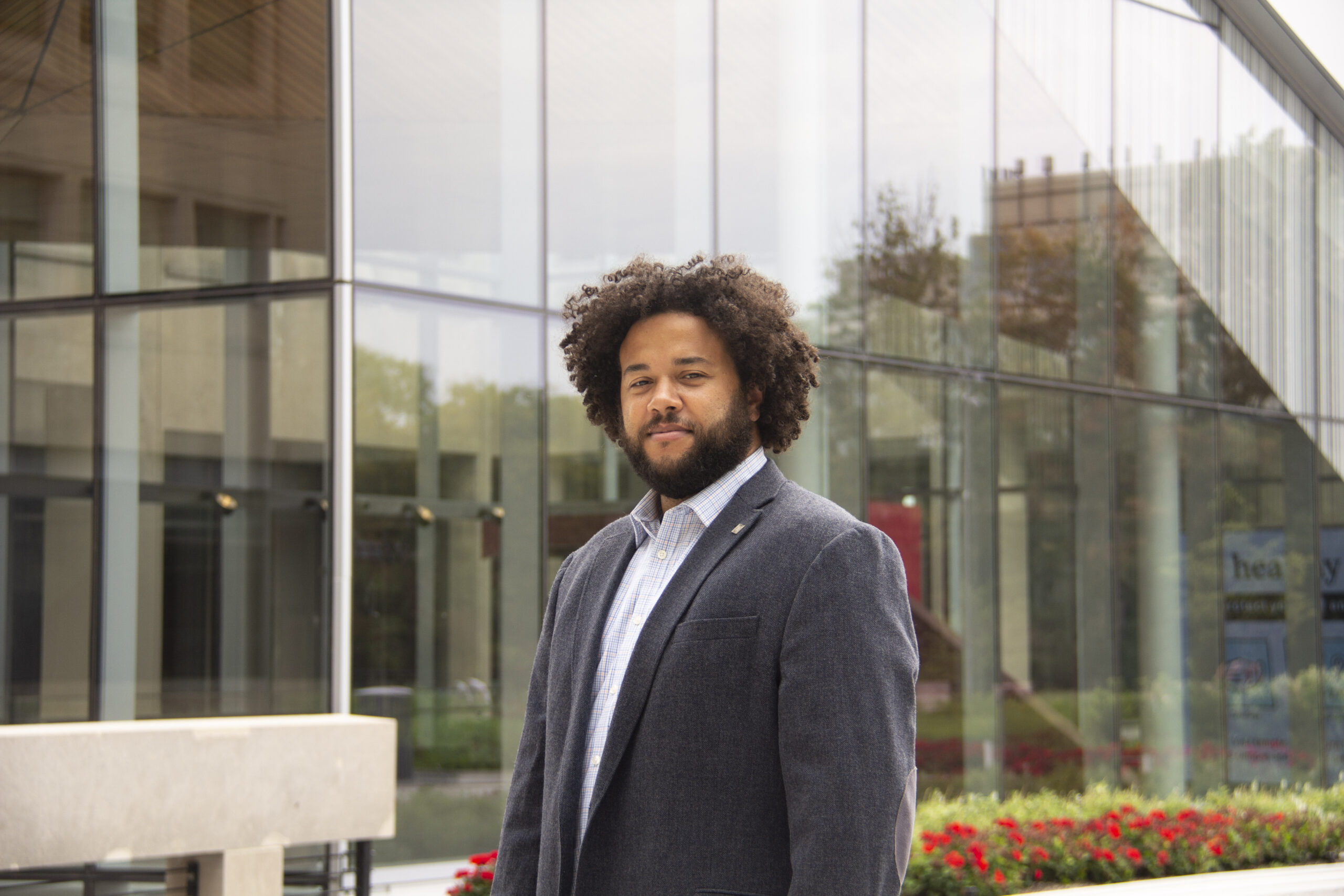
Nyron N. Crawford
Nyron N. Crawford, Ph.D., is a political scientist, evaluator, and facilitator. He currently serves on the faculty of Temple University, where he is Assistant Professor of Political Science and a faculty fellow in the Public Policy Lab (PPL). His research, teaching and practice concern racialized public problems, culturally responsive and equitable evaluation (CREE), and targeted interventions that promote the well-being of communities, families and children. Professor Crawford is interested in attitudes and behaviors (about politics and policy) that contribute to and are formed by race and class-based inequalities in public systems, especially in citizen-state interactions and program participation. He received his doctorate (and M.A.) in Political Science from The Ohio State University and has a B.A. in the same discipline from Howard University.
Hayley Elszasz
Hayley is a PhD candidate in Politics at the University of Virginia, where she’s writing her dissertation about climate organizing in the Bay Area of California. Her research centers communities in the Peninsula that are early actors on climate. Hayley’s research explores how community groups, activists, and city governments work together to pass and implement climate polities like electrification and gas bans. Her primary academic interests include environmental politics, social movement organizing, and fieldwork ethics.
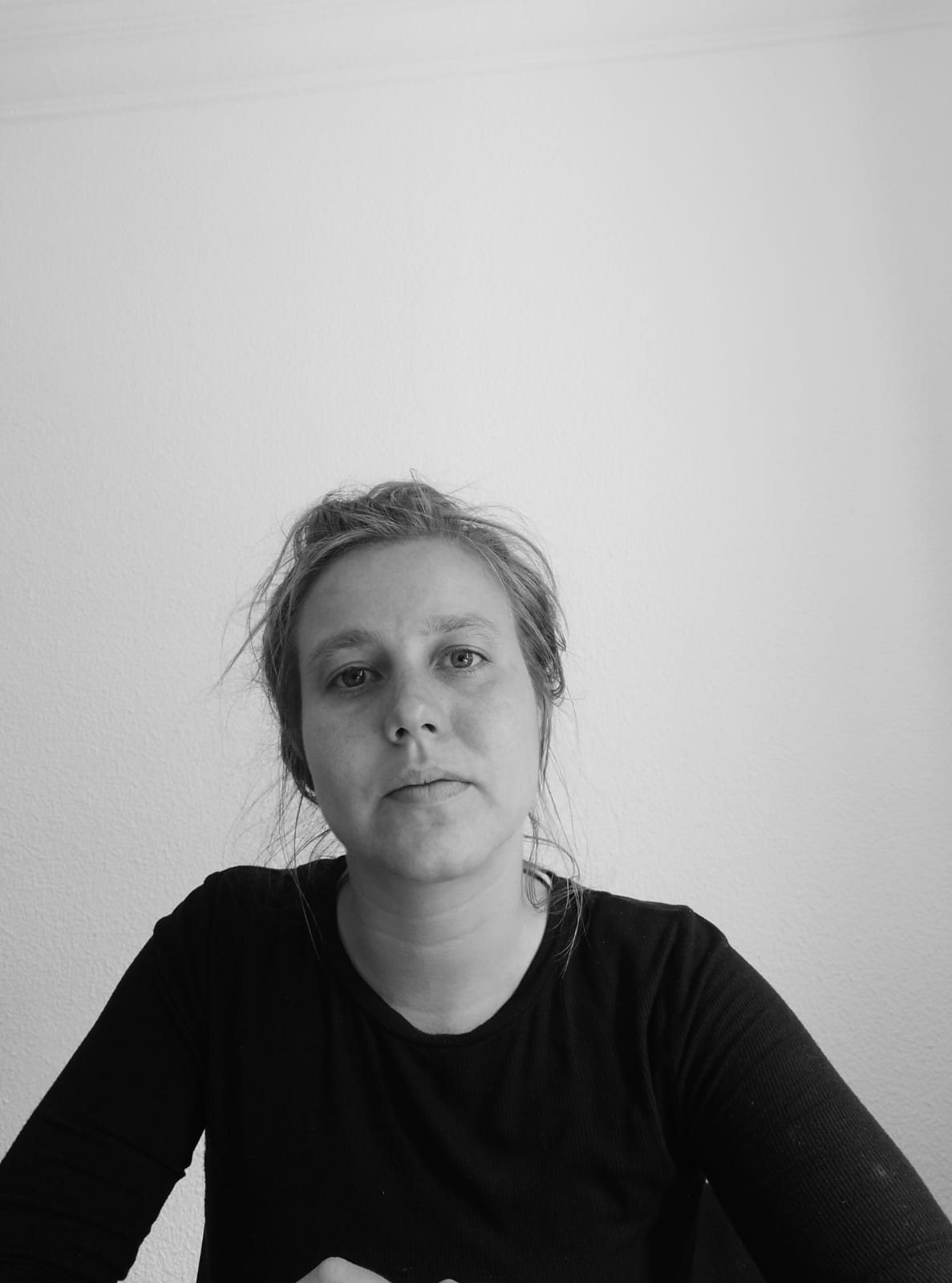
Sara Carrasco Granger
Graduate in Policy Studies from Syracuse University, NY, USA. Master in International Migration from the University of Valencia and Master in Public Policy and Ethics for Democratization and Development, IEPALA, Complutense University of Madrid. She also holds a Diploma in Mental Health in Situations of Political Violence and Catastrophes from the Complutense University of Madrid. She currently collaborates with the Platform for International Cooperation of Undocumented Migrants (PICUM) and the H2020 European Commission PERCEPTIONS research project. Currently completing her PhD studies on the migrant refugee binary and its implications for the guarantee of human rights. Previously, she has worked on different research projects related to advocacy for an International Refugee Visa in collaboration with the International Bar Association in Paris, France, 2019; intervention with unaccompanied foreign minors in Lille, France, and participatory-action research projects in Lavapiés, Madrid, and Syracuse, NY.
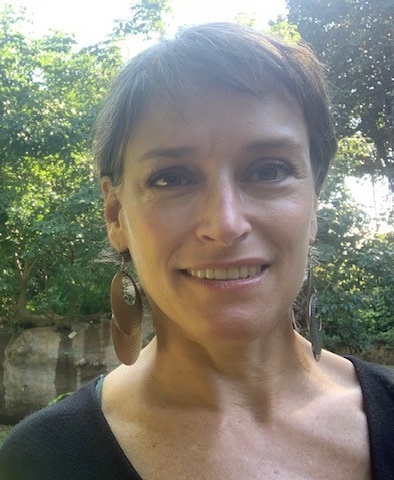
Maggie Grey
Maggie Gray is an associate professor of Political Science at Adelphi University. Her work focuses on New York farmworkers–their political, social, and economic opportunities—and their advocates. Her research interests lie at the intersection of labor, immigration, and food studies. Gray’s book Labor and the Locavore: The Making of a Comprehensive Food Ethic about New York farmworkers and food politics (University of California Press 2014) won the Best Book Award from the Association for the Study of Food and Society and the Best Book Award from the Labor Project of the American Political Science Association. In addition to scholarly publications on New York farmworkers, Gray has also published popular and policy pieces and provided invited testimony to the state senate and assembly. She received her PhD is from the CUNY Graduate Center (2006). Gray also has a decade’s experience working for nonprofits on economic justice.

Edward Kammerer
Edward F. Kammerer, Jr., is an assistant professor in the Political Science Department at Idaho State University in Pocatello, ID. Broadly, his teaching and research focus on American politics and the role of courts as political actors. Current research projects include studying the role of activism in the Cities for CEDAW movement, changing rhetoric in LGBTQ legal advocacy, the role of drag performers in voter mobilization, and the politics of LGBTQ pride events. His is also co-editing a book on teaching LGBTQ politics. He completed his PhD in Law & Public Policy at Northeastern University and his JD at Suffolk University Law School. He serves in various leadership roles with the APSA LGBTQ Caucus, the Sexuality & Politics Section, and the LGBT Status Committee.
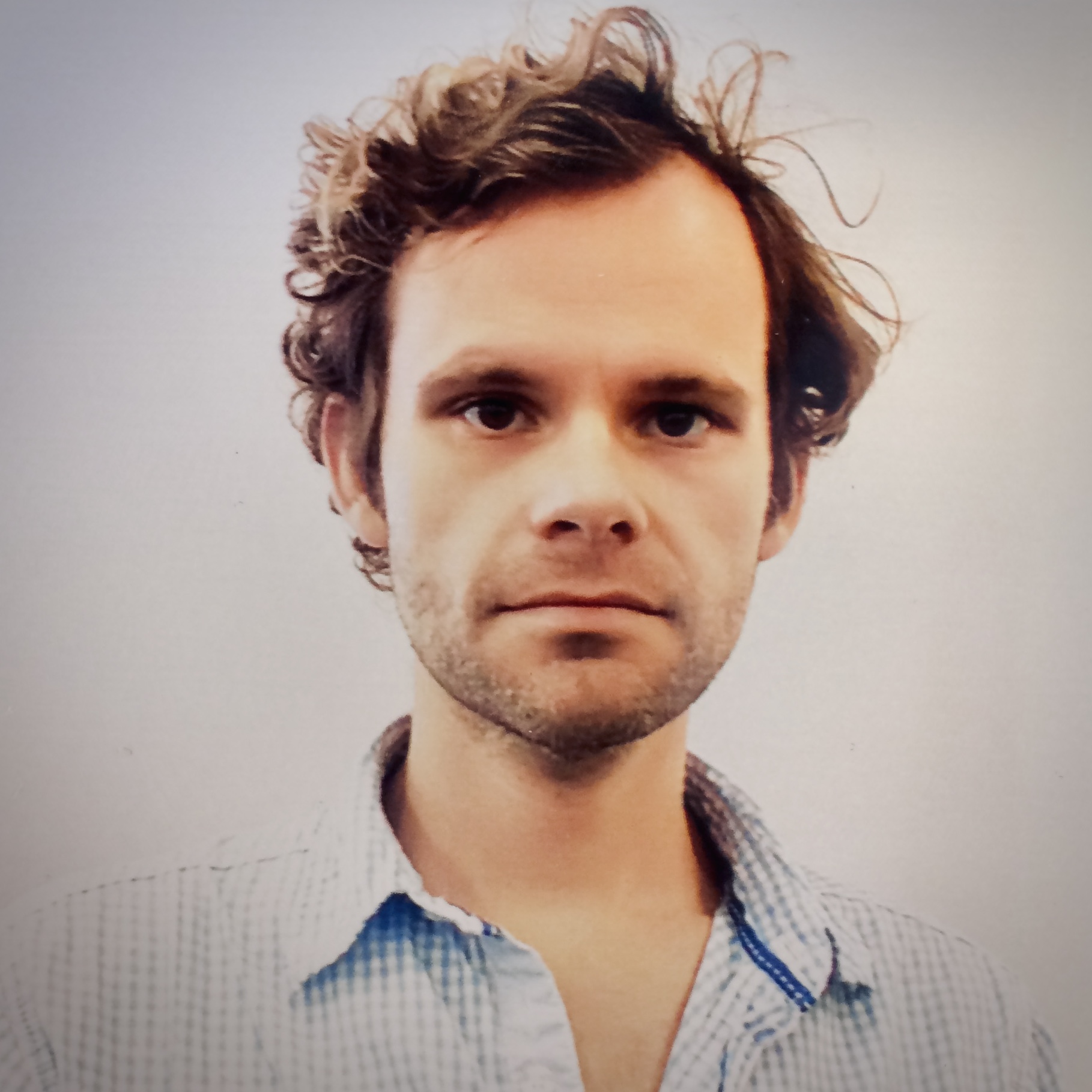
Biko Koenig
Biko Koenig is an Assistant Professor in the Government Department and Public Policy Program at Franklin & Marshall College. His research focuses on ethnographic approaches to collective action.
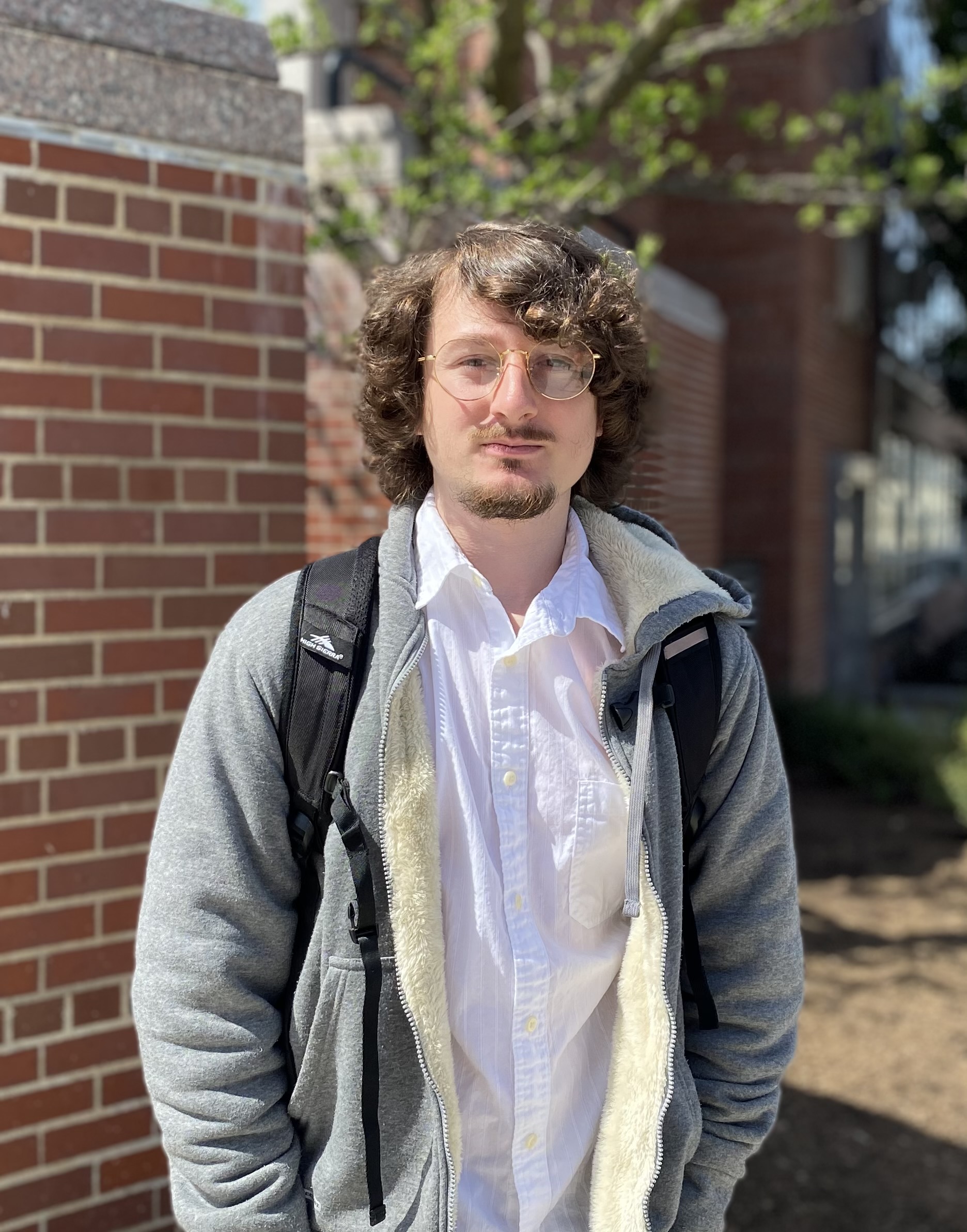
Jean Paul Lopez-Cepero Virella
Jean Paul Lopez-Cepero Virella is a Ph.D. student from the University of Massachusetts in Amherst. His research interests include issues on the Fifth Amendment Taking Clause of the U.S. constitution, issues on eminent domain abuse, legal mobilization, and property & housing rights in Puerto Rico. As his civic engagement, he participates along with non-partisan political organizations that advocate for the decolonization and self-determination of Puerto Rico such as “El Frente Puertorriqueñista.”
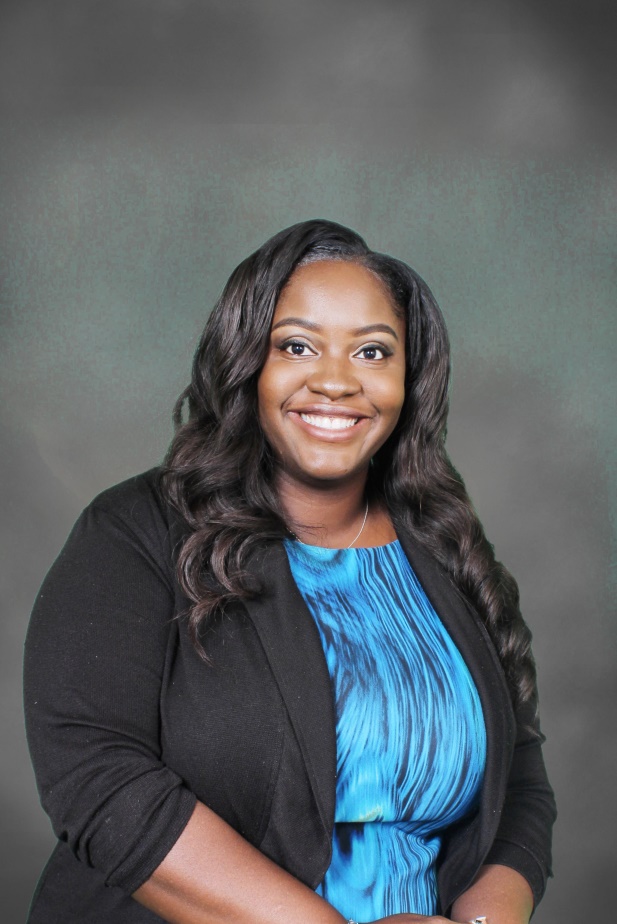
Naomi Nubin-Sellers
Naomi Nubin-Sellers is a current PhD student at the University of Houston in the Department of Political Science. Her broad research interests are in the fields of State politics, racial and ethnic politics, and public policy. Broadly, her dissertation aims to unpack the ways that institutions respond to race through policy options and policy outcomes. Naomi is currently researching important aspects of the welfare state, and the complex relationship between racial diversity, political environments, and welfare cash benefits. Naomi is excited to pursue a future in academia and has hopes to advocate on behalf of poor and marginalized communities. Naomi earned a Bachelor of Science degree in administration of justice with a minor in political science as well as a Master of Public Administration degree, both from Texas Southern University.

Oya Ozkanca
Dr. Oya Dursun-Özkanca (University of Texas at Austin, Ph.D.) is the Endowed Chair of International Studies and Professor of Political Science at Elizabethtown College, USA. In Fall 2021, she served as a Visiting Scholar at the Weatherhead Center for International Affairs at Harvard University, and in 2013, she served as a Visiting Fellow of Research on South Eastern Europe (LSEE) at London School of Economics (LSE). Her research interests include Security Sector Reform, transatlantic security, European Union, South East Europe, and peace operations. She is the author of two books, Turkey–West Relations: The Politics of Intra-alliance Opposition, published by Cambridge University Press in November 2019 and The Nexus Between Security Sector Reform/Governance and Sustainable Development Goal-16: An Examination of Conceptual Linkages and Policy Recommendations, published as part of the SSR Papers flagship series of the Geneva Centre for Security Sector Governance (DCAF) by Ubiquity Press in 2021. She is also the editor of two books – The European Union as an Actor in Security Sector Reform (Routledge, 2014) and External Interventions in Civil Wars (co-edited with Stefan Wolff, Routledge, 2014) as well as a number of scholarly articles in leading peer-reviewed journals, such as Foreign Policy Analysis, Civil Wars, European Security, Journal of Intervention and Statebuilding, French Politics, Perspectives on European Politics and Society, and Journal of Balkan and Near Eastern Studies.

Ayu Diasti Rahmawati
Ayu Diasti Rahmawati is a graduate student in political science at the University of Florida. Her research engages with the issue of civil society, citizenship, and egalitarian democracy; nonviolent resistance and democratization; as well as collective memory and reconciliation after mass atrocities, with a regional focus in Southeast Asia. She plans to do her doctoral research on how civil engagement during transition to democracy affect post-transition equality in the Global South. Before starting her doctoral study, she has worked as a lecturer at the Faculty of Social and Political Sciences (FISIPOL) at Universitas Gadjah Mada in Indonesia where she teaches courses on peace and conflict, as well as democracy and gender studies. Beside research and teaching, she has been actively working with Kiprah Perempuan (Kipper)—a community of women survivors of past human rights violations, as well as Pondok Pesantren Waria Al-Fattah—the only madrassa for transwomen in Yogyakarta, Indonesia.
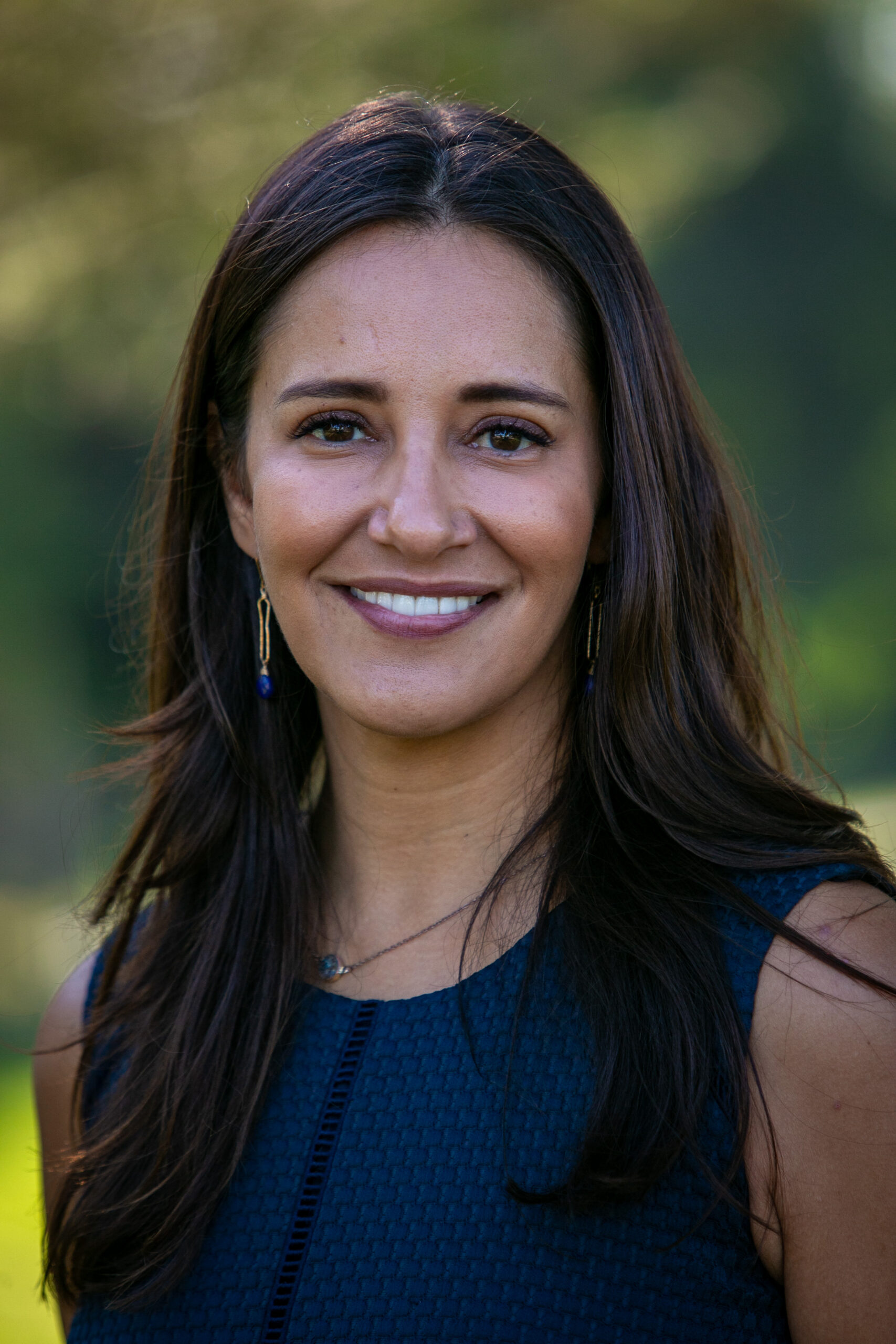
Sara Sadhwani
Sara Sadhwani is an assistant professor of politics at Pomona College. She currently serves as a commissioner on the 2020 Citizens Redistricting Commission for the State of California and in fall 2022 will be a visiting scholar at Stanford University’s Bill Lane Center for the West.
Her research examines voting behavior, elections, and public opinion. She has published widely in academic journals including the Journal of Politics, Political Behavior, and Politics, Groups, and Identities.
Her analysis of elections has been featured in the Washington Post, The Guardian, NPR, The Los Angeles Times, and many others. Sara earned her doctorate in political science from the University of Southern California and a bachelor of philosophy and master of public and international affairs from the University of Pittsburgh. Prior to academia, she worked for nearly a decade advocating for the rights of immigrants at social justice organizations in Los Angeles.
Prof. Sadhwani holds appointments as a senior researcher at AAPI Data, a faculty fellow at the USC Schwarzenegger Institute for State and Global Policy, and an executive council member of the Western Political Science Association.
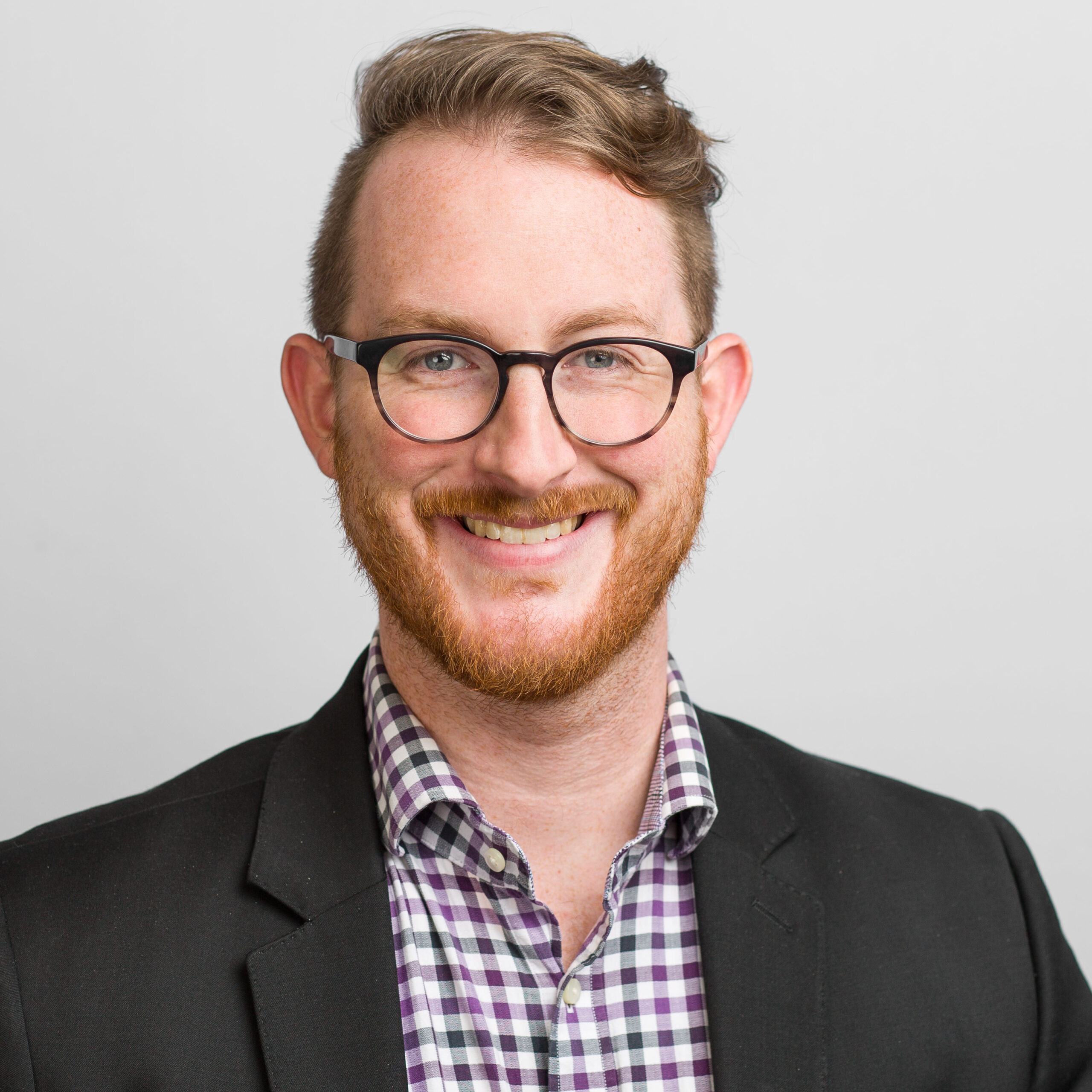
Samuel B Schmitt
I am a political science PhD candidate at the University of North Carolina at Chapel Hill. Before coming to UNC, I completed a Master of Arts in Philosophy at Bowling Green State University. There I focused on political philosophy and worked as a graduate assistant for the Philosophy, Politics, Economics, and Law program. I have a publication forthcoming in Economics and Philosophy on the need for character in James Buchanan’s political economy and I received the prestigious Tanner Award for teaching as a graduate student.
My research interests sit at the intersection of political theory, political economy, and civil society. I pay particular attention to how institutions are arranged to help individuals pursue various conceptions of the good life, and how this relates to questions of self-governance. I am fascinated with three nested questions: (1) How can individuals best pursue their various conceptions of the good life? Given that individuals with similar visions of the good life will coordinate to pursue that life together, (2) which institutional arrangements are conducive to their good life? And, (3) operating in a liberal, market-oriented society, how can these oft ‘illiberal’ civil institutions best interact? Those three questions orient my reading and study of political theory.
Beyond my research, I devote time to engaging others in music, poetry, and the philosophy of religion. I am an avid listener of funk, jazz, bluegrass, and classical music, and an enthusiastic (if inadequate) jogger.
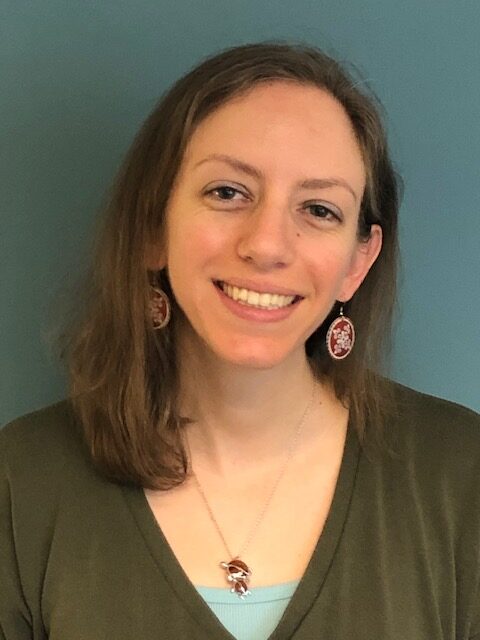
Christina Sciabarra
My name is Christina Sciabarra, and I am currently the chair and full-time faculty member in the First Year Seminar program and I also teach in Political Science and the Neurodiversity Navigators program at Bellevue College. I graduated from the US Naval Academy with a B.S. in History and completed a B.A. in Russian and Political Science from the University of Arizona and a Master’s in International Diplomacy from Norwich University. I earned my doctorate from the University of Arizona and my research focuses on building peace after civil wars. I have conducted field work in Bosnia-Herzegovina and Northern Ireland focused on understanding concepts of peace in post-conflict states. I specialize in the Middle East and I am actively engaged with organizations building cultural bridges between the Middle East and the US. I am a United Nations Alliance of Civilizations Fellow and work with an international non-profit focused on youth social entrepreneurship. As a veteran of the war in Iraq, I am committed to peace through dialogue, art, and education above all else
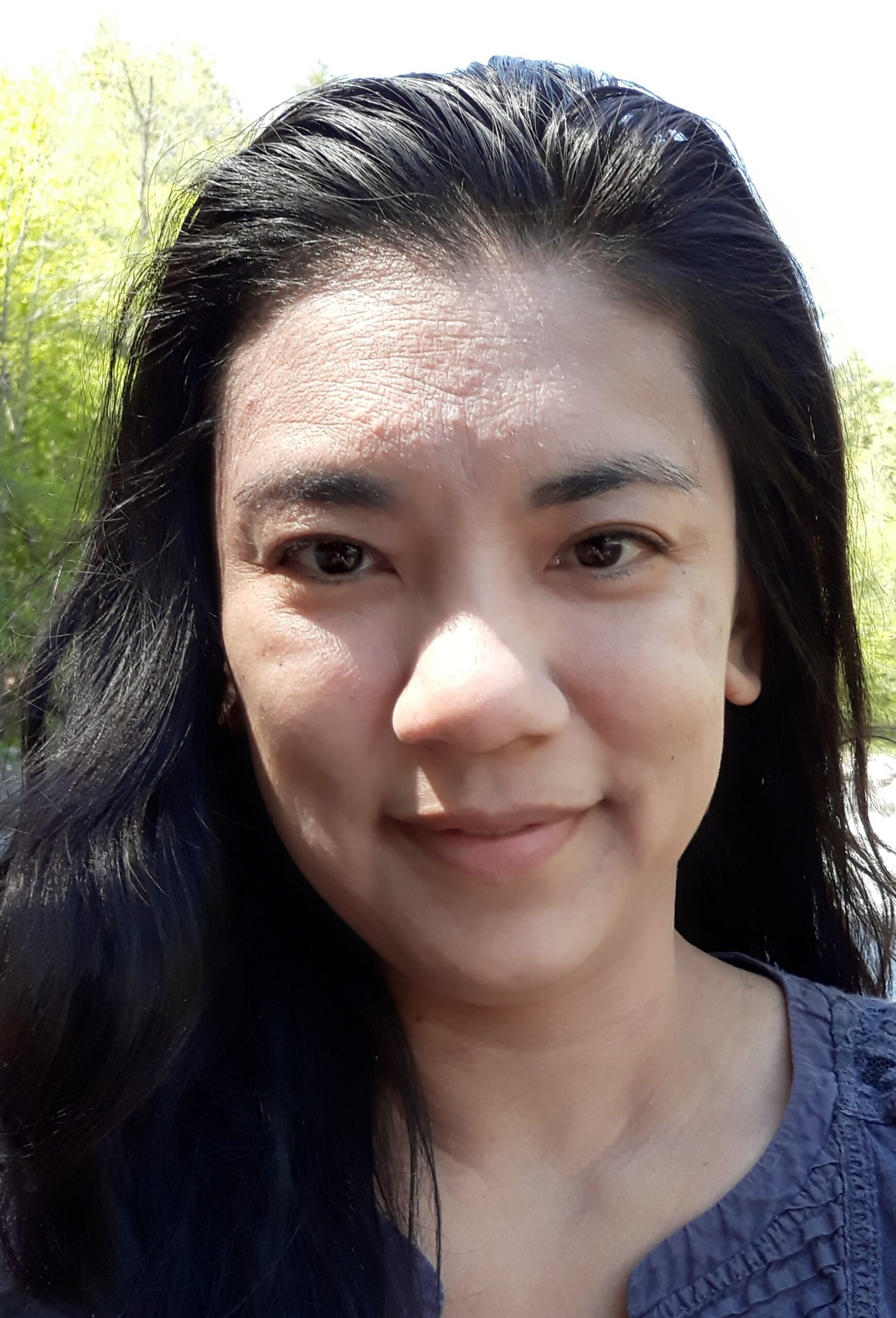
Regine Spector
Regine A. Spector is an Associate Professor in the Department of Political Science at the University of Massachusetts, Amherst. Her current research investigates the role of local citizens and activists in promoting changes that will address longstanding energy and environmental justice concerns in the U.S. and globally. She is particularly interested in researching value chains currently understood as crucial to a renewable energy transition such as pumped storage hydropower and lithium battery production, and being engaged in processes that will ensure that equity and ecosystem priorities are elevated in communities disproportionately impacted by the legacies of our capitalist, fossil fuel-based society. Her first book, Order at the Bazaar: Power and Trade in Central Asia (Cornell University Press 2017) won two honorable mention awards and examined understandings and practices of market-based trade in post-socialist Kyrgyzstan. Other articles in Review of International Political Economy and Polity, among others, examine how traders and producers of apparel reconstituted these sectors after independence in 1991 amidst massive power inequalities and widescale socioeconomic dispossession.