APSA Virtual Plenary Panels
2026 APSA Virtual Research Meeting | April 15th & 16th (ET)
Day 2: Thursday, April 16th


Virtual Plenary: Possibility and Partnership in Political Science: Charting a Path Forward
Thursday, April 16th | 12:45 – 2:15 p.m. (ET)
Speakers:
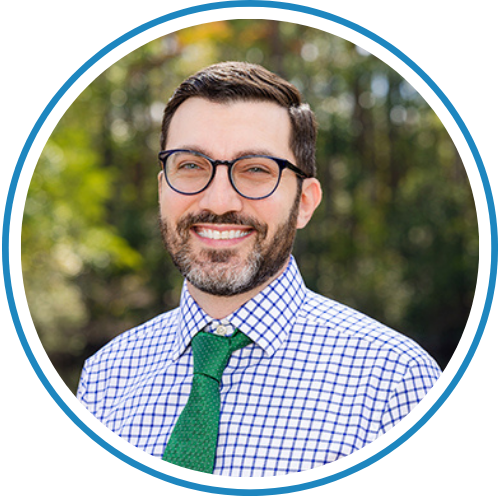
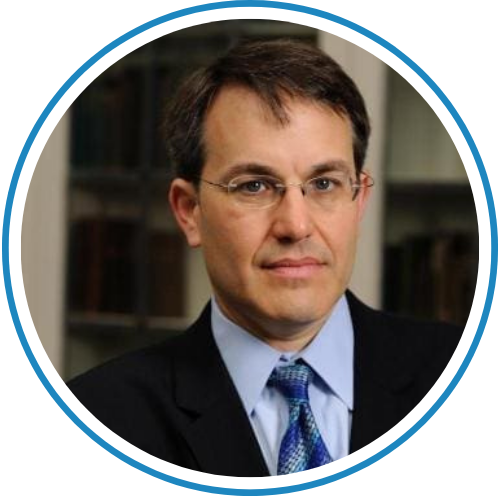
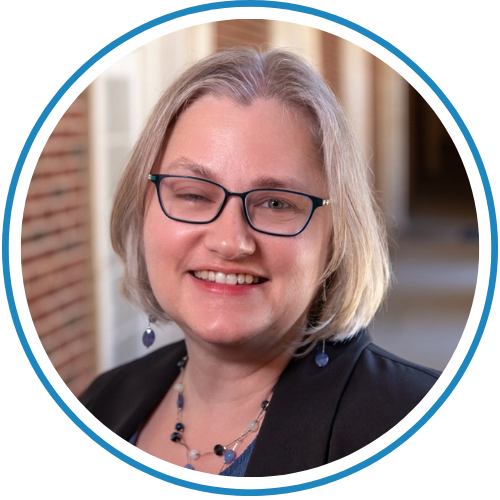
Dr. Helen Chang, Hostos Community College (CUNY)
Dr. Josh Gellers, University of North Florida
Dr. Robert Lieberman, Johns Hopkins University
Dr. J. Cherie Strachan, University of Akron
Moderator: Dr. Holley Hansen, Oklahoma State University
Building directly on Wednesday morning’s plenary, this virtual session will focus on how political scientists can adapt to change through collaborative research, pedagogical innovation, and renewed public engagement.
The panel of political science scholars and practitioners will highlight and discuss emerging approaches to collaborative research, interdisciplinary partnerships, higher education policy, teaching innovation, public engagement strategies, and responsible integration of new technologies, including AI. Attendees will gain practical insights into building professional networks, mentoring emerging scholars, and strengthening the public impact of the field.
Day 1: Wednesday, April 15th
Welcome & Virtual Plenary: Political Science under Pressure
Wednesday, April 15th | 9:00 – 10:30 a.m. (ET)
Speaker:
Dr. Paul Musgrave, Georgetown University Qatar
Moderator: Dr. Jamil Scott, Georgetown University

Join us for the first plenary of the 2026 Virtual Research Meeting, “Political Science under Pressure,” following an introduction from APSA Executive Director, Dr. Kimberly A. Mealy. This session will explore the 2026 theme, “Collaboration in Times of Crisis: Polarization, Populism, and Political Science in a Changing World,” by assessing the state of the discipline and examining how shifts in higher education and research funding, democratic backsliding, declining trust in academic institutions, and rapid technological change are reshaping research, teaching, and public engagement.
As the first of two virtual plenaries, the talk will situate political science within broader domestic and international trends, offering a grounded assessment of the current constraints scholars are navigating while laying the foundation for forward-looking conversations. The plenary will conclude with moderator questions and an audience Q&A.