Learn about the APSA 2026 Plenary Speakers and Presenters

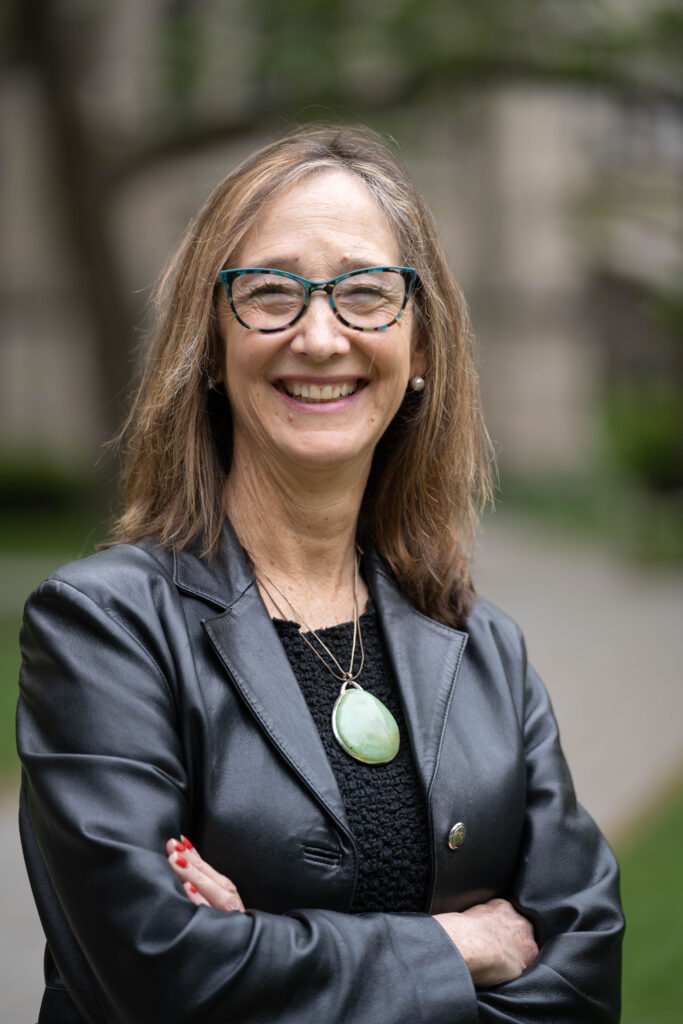
Dr. Susan Stokes is the Tiffany and Margaret Blake Distinguished Service Professor of Political Science at the University of Chicago and Director of the Chicago Center on Democracy. She has authored or coauthored six books on democratic theory, distributive politics, clientelism, political behavior, democratic erosion, and Latin American politics. A member of the National Academy of Sciences and the American Academy of Arts and Sciences, she is also President-Elect of the American Political Science Association and a founding member of Bright Line Watch. Stokes has held leadership roles in APSA and previously chaired the Yale Political Science Department. Her forthcoming book, The Backsliders: Why Leaders Undermine Their Own Democracies (2025), examines the global rise of democratic backsliding and offers strategies for resistance and institutional repair. Written for both scholars and general readers, the book combines rigorous social science methods with accessible analysis.

Luis Fraga (University of Notre Dame)
Anna Grzymala-Busse (Stanford University)
Guy Uriel-Charles (Harvard Law)
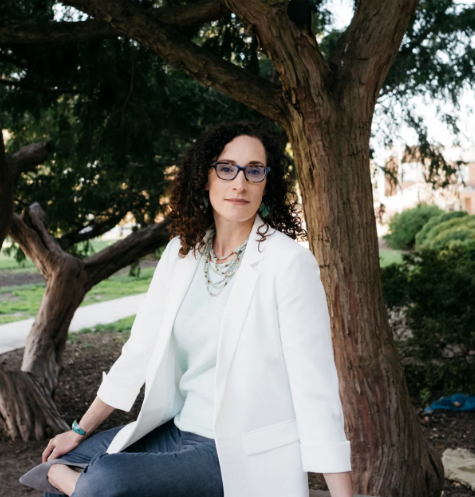
Vesla Mae Weaver (Ph.D., Harvard, Government, and Social Policy) is the Bloomberg Distinguished Professor of Political Science and Sociology at Johns Hopkins University and faculty affiliate of the Justice Collaboratory at Yale University. A scholar of American politics, she writes about race, power, and political life. Weaver has pioneered concepts to understand the role of incarceration and policing in race-class subjugated communities and the development and consequences of coercive institutions in American democracy.
Weaver’s books include Arresting Citizenship and Creating a New Racial Order. Her next book, The State from Below: Racial Authoritarianism in US Democracy, amasses the most extensive collection of first-hand accounts of the police—by those who are policed—to date, using a new civic infrastructure called Portals. She co-directs the American Prison Writing Archive, the largest and first fully searchable digital archive of imprisoned people writing about their experience inside confinement in four hundred prison and jail facilities. Such projects unite a concern with positioning the unfree as central theorists of democracy. Weaver’s research has been supported by fellowships from the Andrew Carnegie Foundation (2017 fellow), Russell Sage Foundation, National Science Foundation, the Ford Foundation, the Brookings Institution, and owes her beginnings as a political scientist to the Ralph Bunche Summer Institute.
She has written in the New York Times, Washington Post, Boston Review, Marshall Project, and Slate, among others, and she takes an active role in public debates about what it might mean to construct public space focused on civic health rather than surveillance.
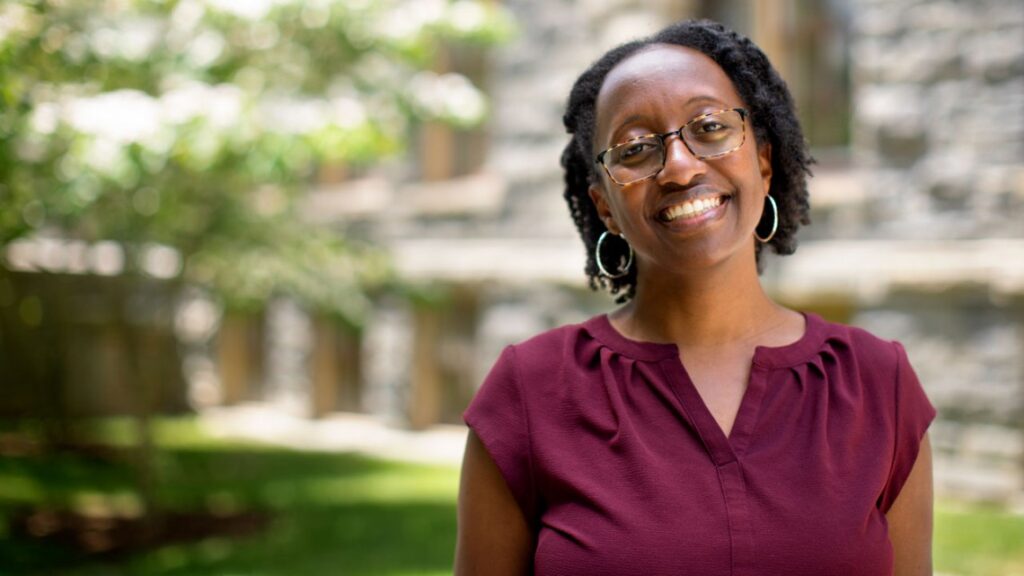
Moderator:
Jamila Michener is a Professor of Government and Public Policy at Cornell University, and the inaugural Director of the Center for Racial Justice and Equitable Futures. She studies poverty, racism, and public policy, with a particular focus on health and housing.She is author of Fragmented Democracy: Medicaid, Federalism, and Unequal Politics (Cambridge University Press, 2018) and Uncivil Democracy: How Access to Justice Shapes Political Power (Princeton University Press, 2026). She is co-editor of Politics in the American States: A Comparative Analysis (Sage Publications).
Norm Eisen (Brookings Institution)
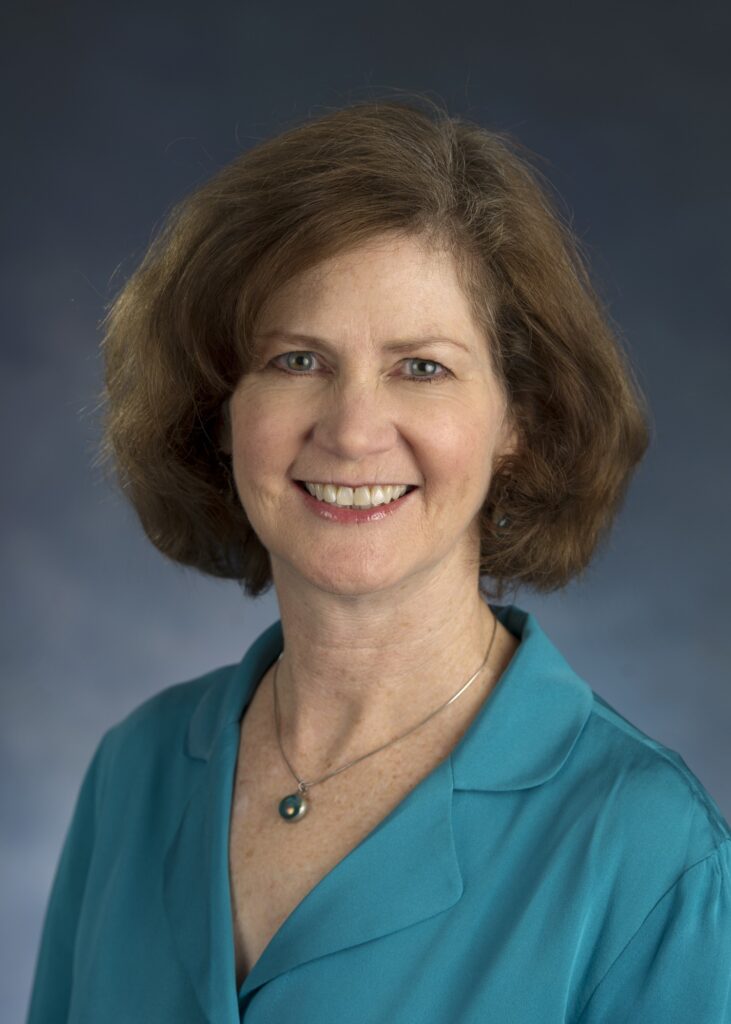
Dr. Jennifer McCoy is Regent’s Professor Emerita of Political Science at Georgia State University in Atlanta and Nonresident Scholar at the Carnegie Endowment for International Peace, as well as a Research Affiliate at CEU’s Democracy Institute in Budapest. Her areas of expertise include democratic resilience; erosion and recovery; and political polarization and depolarization. She previously served as Director of the Carter Center’s Americas Program (1998-2015).
Dr. McCoy was named a 2024-26 Andrew Carnegie Fellow for her project, “Mitigating Pernicious Polarization through Innovative Civic Educational Interventions.” Her forthcoming book is How to Depolarize: Remaking Global Democracies, with Murat Somer (Princeton University Press, 2027). Her most recent volume is Polarizing Polities: A Global Threat to Democracy, co-edited with M. Somer (The ANNALS of the American Academy of Political and Social Science, 2019).
K. Sabeel Rahman (Cornell Law School)
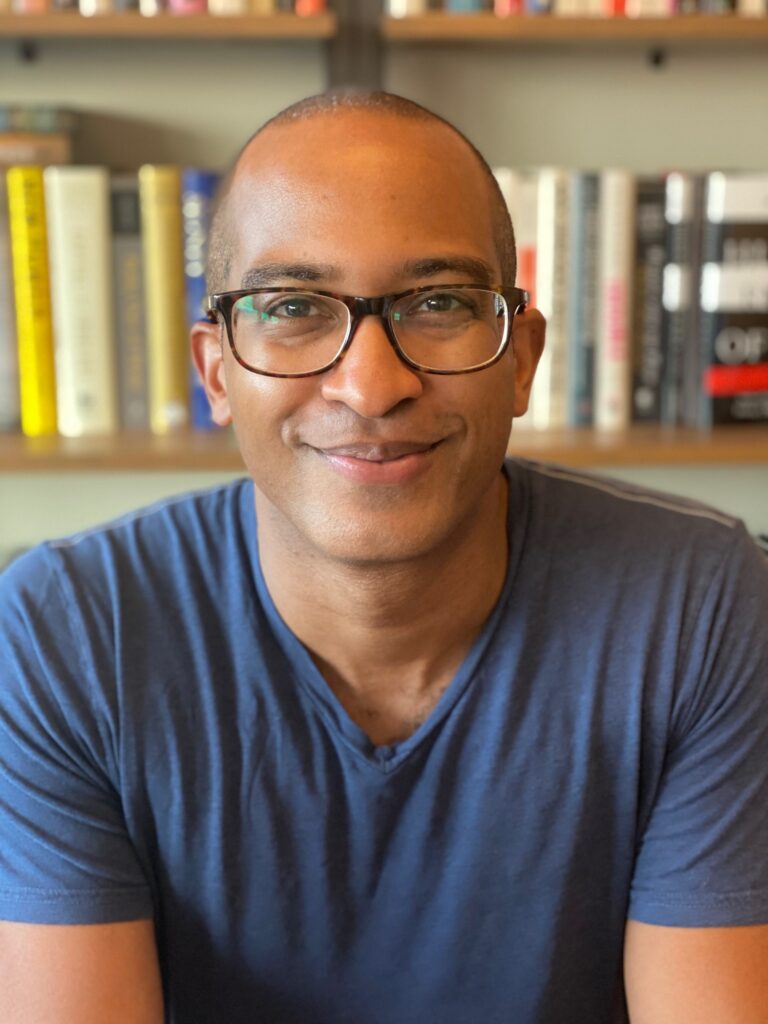
A progressive organizer, scholar and strategist, Dorian Warren has worked to advance racial, economic, and social justice for over three decades. Like the organizations he leads, Warren is driven by the innate conviction that only social movements – led by the people most affected by racial, economic, gender, and social injustice – can change their communities and public policies for the better.
Dorian is co-president of Community Change – an organization founded in 1968 by civil rights, labor, and community leaders to honor the memory of Robert F. Kennedy’s fight to end poverty in America – and Community Change Action, its political arm. He is also the co-founder of the Economic Security Project, an innovative social impact organization that has already shifted the national conversation around cash, economic power, and economic security.
Warren taught for over a decade at the University of Chicago and Columbia University, where he was co-director of the Columbia University Program on Labor Law and Policy. He’s the co-author of The Hidden Rules of Race, co-editor of Race and American Political Development, and has penned numerous academic articles. He also worked at MSNBC, where he was a contributor and a fill-in host for Melissa Harris-Perry and Now with Alex Wagner, as well as the host and co-executive producer of Nerding Out on MSNBC’s digital platform (now Peacock).
Dorian also co-hosted the “System Check” podcast at The Nation and the “Deep Dive” podcast on The Takeaway with Melissa Harris-Perry. He was previously a Fellow at the Roosevelt Institute and serves on the boards of the Leadership Conference on Civil and Human Rights Education Fund, the Center for American Progress (CAP) Action Fund, Economic Security Project, Assets Under Movement, and The Nation Magazine Editorial Board, among others. He is also part of the Advisory Circle for Rx Kids.
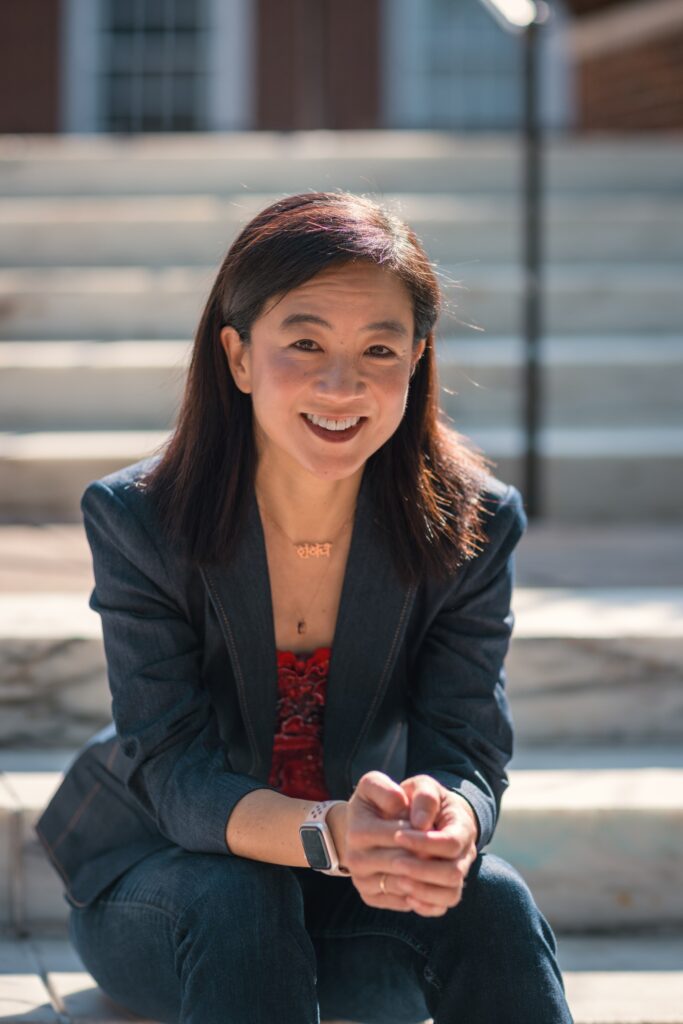
Dr. Hahrie Han is the Inaugural Director of the SNF Agora Institute, the Stavros Niarchos Foundation Professor of Political Science, and Faculty Director of the P3 Research Lab at Johns Hopkins University. She is an award-winning author of five books and numerous scholarly articles. Her latest book (Knopf 2024), about faith and race in America with a focus on evangelical megachurches, was named to the New York Times list of 100 Notable Books of the Year in 2024, and the New Yorker‘s List of Recommended Books for 2024. She has also written for scholarly and public outlets ranging from the New York Times and the Washington Post to the American Political Science Review (APSR), Nature Human Behavior, andthe Journal of the American Medical Association (JAMA).
Dr. Han is a 2025 recipient of the MacArthur Fellowship (so called “genius grants”), is an elected member of the American Academy of Arts and Sciences (AAAS), was named a 2022 Social Innovation Thought Leader of the Year by the World Economic Forum’s Schwab Foundation, and delivered the Tanner Lectures at Harvard University in 2024.
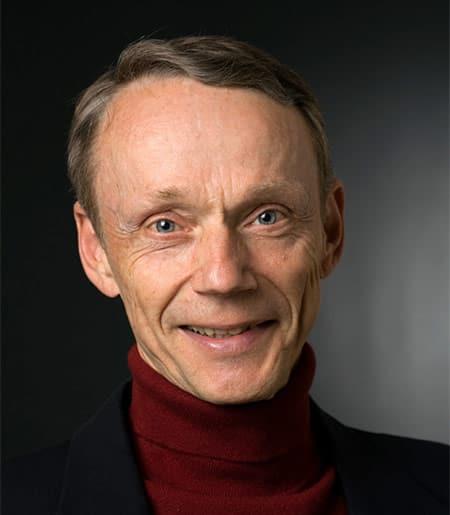
Peter J. Katzenstein is the Walter S. Carpenter, Jr. Professor of International Studies at Cornell University. Interested in all aspects of world politics, he is currently writing a book on Germany. His most recent book is Entanglements in World Politics: The Power of Uncertainty (Cambridge UP 2026). He is the author, coauthor, editor and coeditor of more than 40 books and over 100 articles or book chapters. Between 1982 and 2022 Katzenstein has served as the editor of the Cornell Studies in Political Economy which comprises 148 volumes.
Katzenstein received the 2026 Sakip Sabanci International Research Award. In 2020 he was named the 26th recipient of the Johan Skytte Prize. He served as President of the American Political Science Association in 2008-09, and was the recipient of APSA’s 1974 Helen Dwight Reid and its 1986 Woodrow Wilson prize. Together with Nobuo Okawara, he was awarded the 1993 Masayoshi Ohira Memorial Prize. He was elected to three academic societies and holds six honorary degrees. Katzenstein has been a Visiting Fellow at five different Institutes in the United States and Europe. Since 2019 he has served as a visiting Research Professor at the Social Science Center Berlin.
Since joining the Cornell Government Department in 1973 Katzenstein has chaired or been a member of more than one hundred dissertation committees and has received the Russell Distinguished Teaching Award in 1993. In recognition of sustained and distinguished undergraduate teaching and was made one of Cornell University’s Stephen H. Weiss Presidential Fellows in 2004.
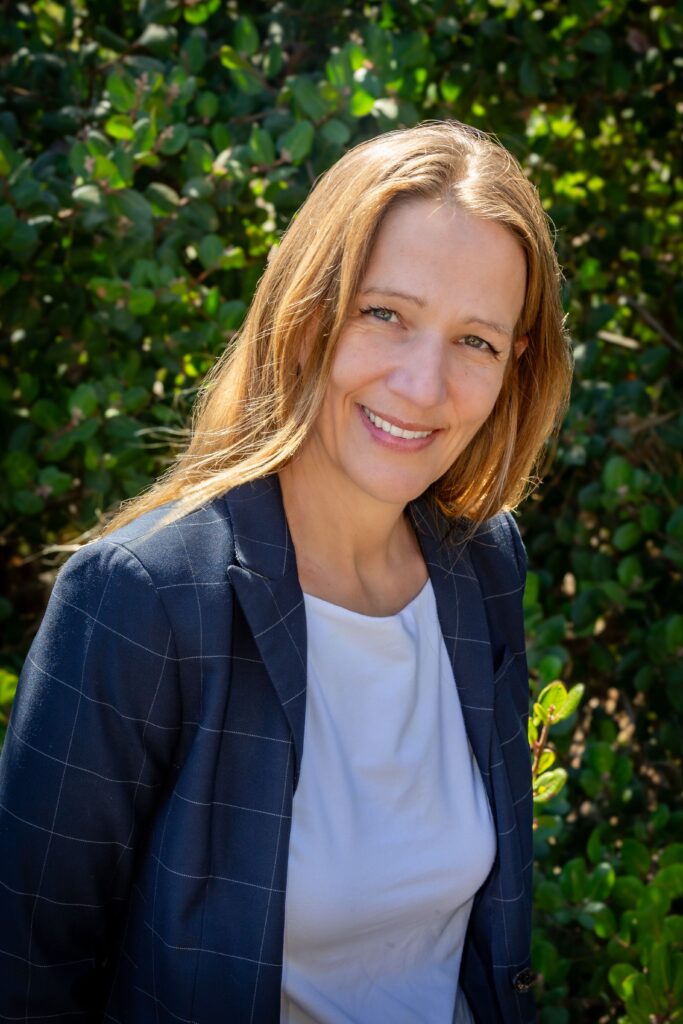
Christina Schneider is professor of Political Science at the University of California, San Diego. Professor Schneider is an expert in research on the domestic politics of international cooperation, studying how international cooperation affects and is affected by democratic politics and representation. She is the author of three books published with Cambridge University Press. Her articles appear in journals including the American Journal of Political Science, British Journal of Political Science, International Organization, International Studies Quarterly, Journal of Conflict Resolution, Journal of European Public Policy, and Public Choice. Her research was awarded with several awards, including the Best Book of 2019 and 2020 Award by the European Political Studies Association and the Jack Walker Article Award for the best article published in 2024 and 2025 from the APSA Political Organizations and Parties Section. More details are available on her webpage: http://pages.ucsd.edu/~cjschneider/index.htm
Ian Shapiro (Yale University)
Leo Arriola (University of California, Merced)
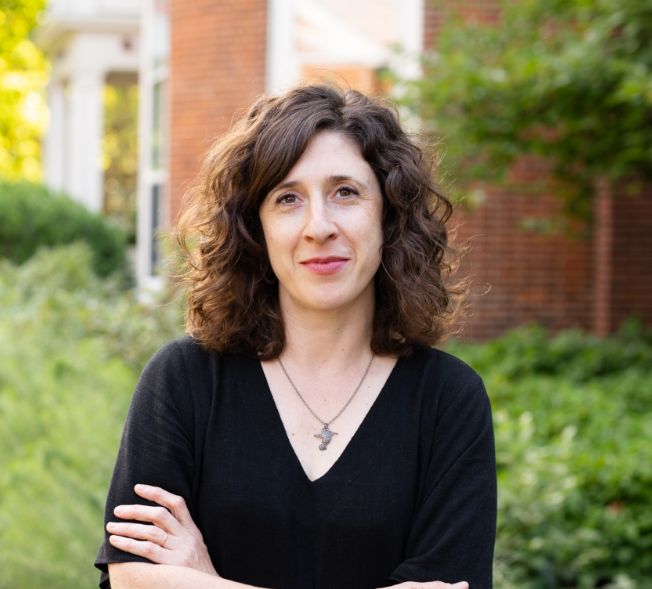
Dr. Kirsten Weld is a professor of Latin American history at Harvard University whose research explores 20th-century struggles over inequality, justice, and historical memory. Her first book, Paper Cadavers: The Archives of Dictatorship in Guatemala (Duke University Press, 2014), won the 2015 WOLA-Duke Human Rights Book Award and the 2016 Best Book Award from the Latin American Studies Association’s (LASA) Recent History and Memory Section. Her second book, Ruins and Glory: The Long Spanish Civil War in Latin America, is forthcoming from Harvard University Press in 2028. She is co-president of the Harvard University chapter of the American Association of University Professors (AAUP).
David Wilson (University of California, Berkeley)
Moderator:
Jamila Michener is a Professor of Government and Public Policy at Cornell University, and the inaugural Director of the Center for Racial Justice and Equitable Futures. She studies poverty, racism, and public policy, with a particular focus on health and housing.She is author of Fragmented Democracy: Medicaid, Federalism, and Unequal Politics (Cambridge University Press, 2018) and Uncivil Democracy: How Access to Justice Shapes Political Power (Princeton University Press, 2026). She is co-editor of Politics in the American States: A Comparative Analysis (Sage Publications).