Paths into the labor force and women’s empowerment in Pakistan
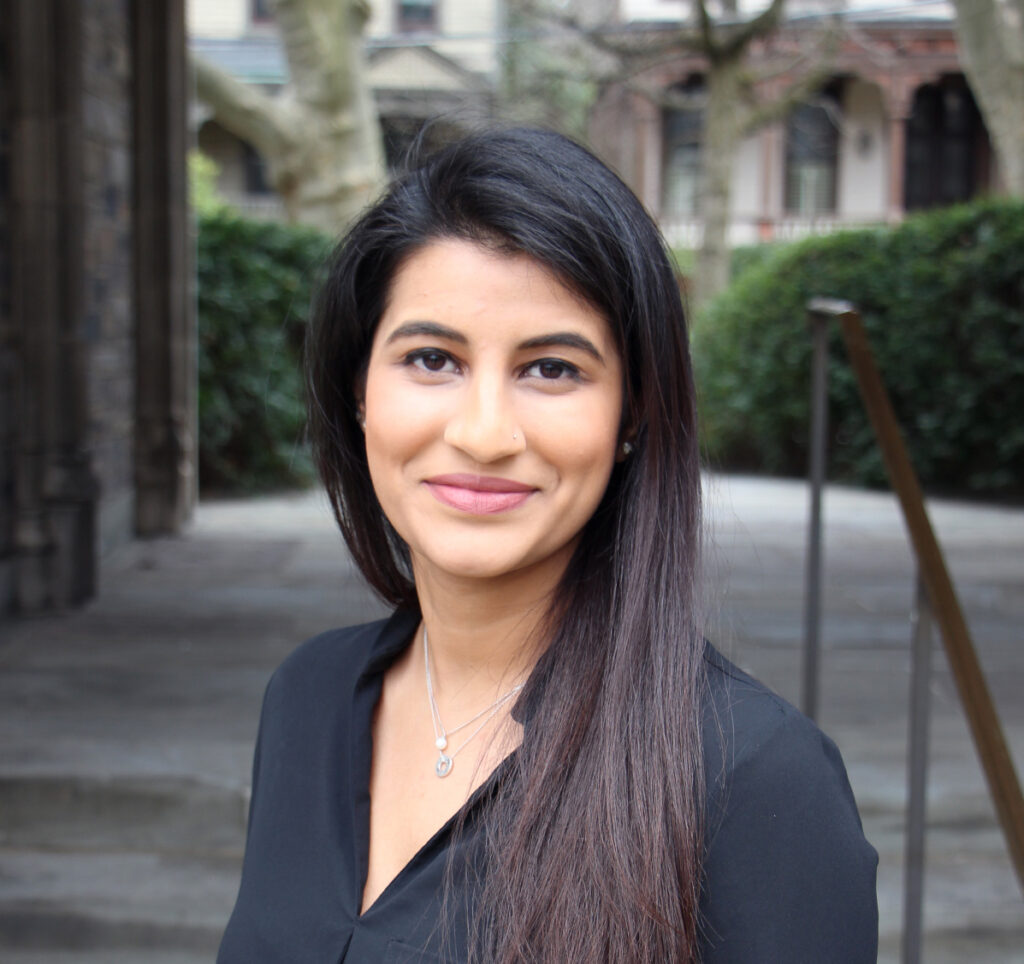
Natalya Adam-Rahman – Stanford University
My research examines the relationship between women’s labor force participation (LFP) and their political agency. Previous research has highlighted the connection between women’s autonomous political preferences and their engagement in the labor market. However, this body of work about women’s political behavior is incomplete in its account of the different paths women can take as they enter the labor market. Prior work assumes that women “select” into or choose to be in the labor force, which ignores two theoretically important aspects of working for pay. First, women’s decision to enter the labor force is often a joint decision in the household, implying that labor force participation might be “imposed by the family” on women. Second, women’s decision to enter the labor force is often due to economic deterioration or the absence of a patriarch (e.g., widowhood or divorce), implying that labor force participation might be “imposed by circumstance” on women. These forms of imposition account for a large proportion of the way that women get into the labor force in South Asia, where one in four of the world’s women lives. I use multiple methods to understand the causes and political consequences of women’s various paths into the labor force.
Local Governance and Communal Land Regimes: The Political Effects of Collective Property Rights in Brazil
 Clara Bicalho – University of California, Berkeley
My research investigates how collective property rights affects beneficiaries in terms of two overarching outcomes: governance and political participation. Specifically, I ask how collective land rights impact local governance among beneficiary communities — do reforms erode or strengthen existing reciprocity institutions and do they enable more democratic decision making? Secondly, I ask how collective land right policies impact political participation among beneficiary communities. I study the questions above in the context of quilombos in Brazil. I consider possible mechanisms related to political preferences and behavior and examine outcomes such as participation in community meetings and elections, vote choice, and level of coordination on collective demands of local politicians. This research also seeks to shed light on the different political dynamics that underlie collective (rather than individual) land regimes, therefore building on the growing literature of the political effects of indigenous land rights and other contexts of collective land ownership, especially along politically marginalized identities.
Bureaucratic Harassment in the U.S. Military: Workplace Discrimination and its Effects in a Gendered and Racialized Organization

Stephanie Bonnes – University of New Haven
While a military career has the potential to positively shape the economic and social mobility of those who serve, these benefits are constrained by interactions and experiences with harassment and discrimination within the organization. Using in-depth interviews with U.S. service-members, this study seeks to understand service-member experiences with a specific form of workplace harassment, bureaucratic harassment. Understanding that the military is a gendered organization (Acker 1990) and a racialized organization (Ray 2019), I explore how this form of harassment intersects with social location such as gender, race, class, and sexuality as well as the effects of this form of harassment on military careers and post-service opportunities. This study also explores how service-members understand and navigate bureaucratic harassment and its consequences. Further, the study uncovers the conditions and mechanisms in place that hinder or assist individuals in challenging these discriminatory workplace dynamics and make policy recommendations on how to address and change these issues.
Judge Misconduct and Perceptions of a Threat to Rights
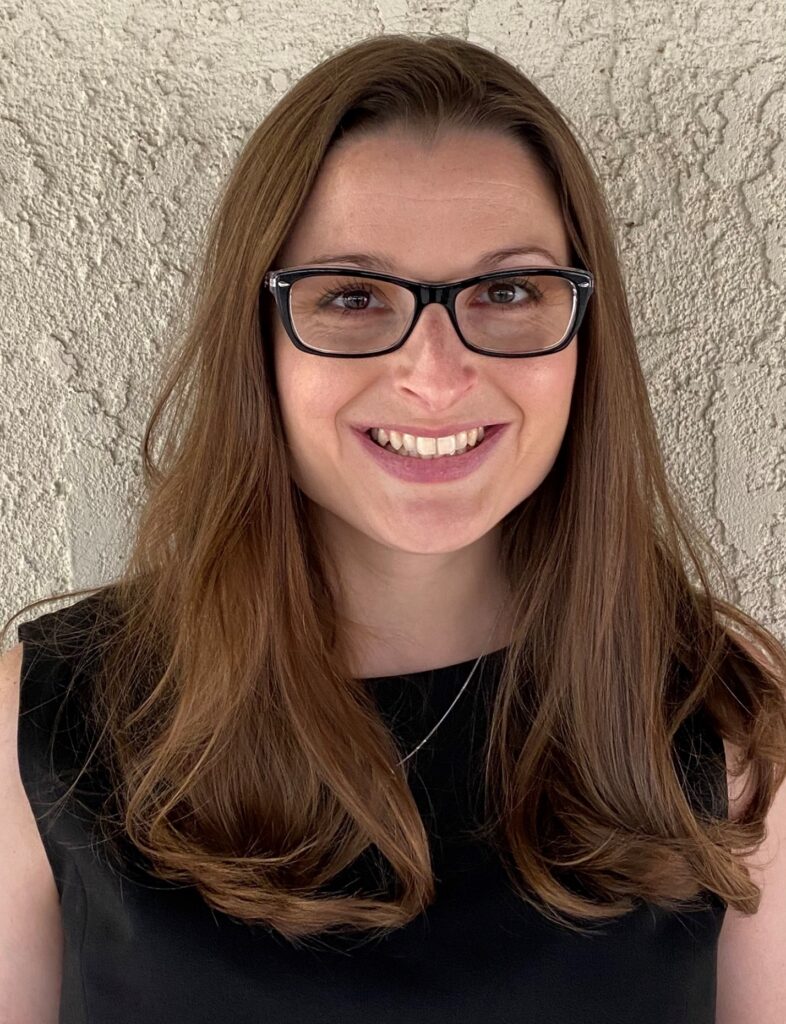

Kayla Canelo – University of Texas at Arlington
Melissa Baker – University of Texas at El Paso
How do scandals involving judicial figures affect public perceptions of judges and the court? There is no shortage of political figures engaging in personal or professional misconduct, including judges accused of sexual misconduct, acts of physical violence, and judges who have made derogatory or hostile remarks towards certain groups of people. These controversies are particularly concerning given the important role judges play in shaping policy pertaining to individual rights. We posit that scandals involving a judge lead to decreased confidence in the judge and an increased view that the judge will issue rulings that harm marginalized groups. This project builds on our prior work that finds people view judges accused of sexual misconduct as a bigger threat to women’s rights. In the proposed project, we will use a survey experiment to examine whether public perceptions of discriminatory misconduct extend beyond women’s rights and vary based on the gender, race, or ethnicity of the judge who is engaging in said misconduct. The results of this study will shed light on ways in which judicial trust erodes, particularly during a time where trust in the Supreme Court has plummeted among Americans and several SCOTUS Justices have been wrapped up in enough financial and personal misconduct that the United States Senate is debating a SCOTUS ethics bill.
Building Bureaucratic Capacity: The Political Origins of Civil Service Reforms
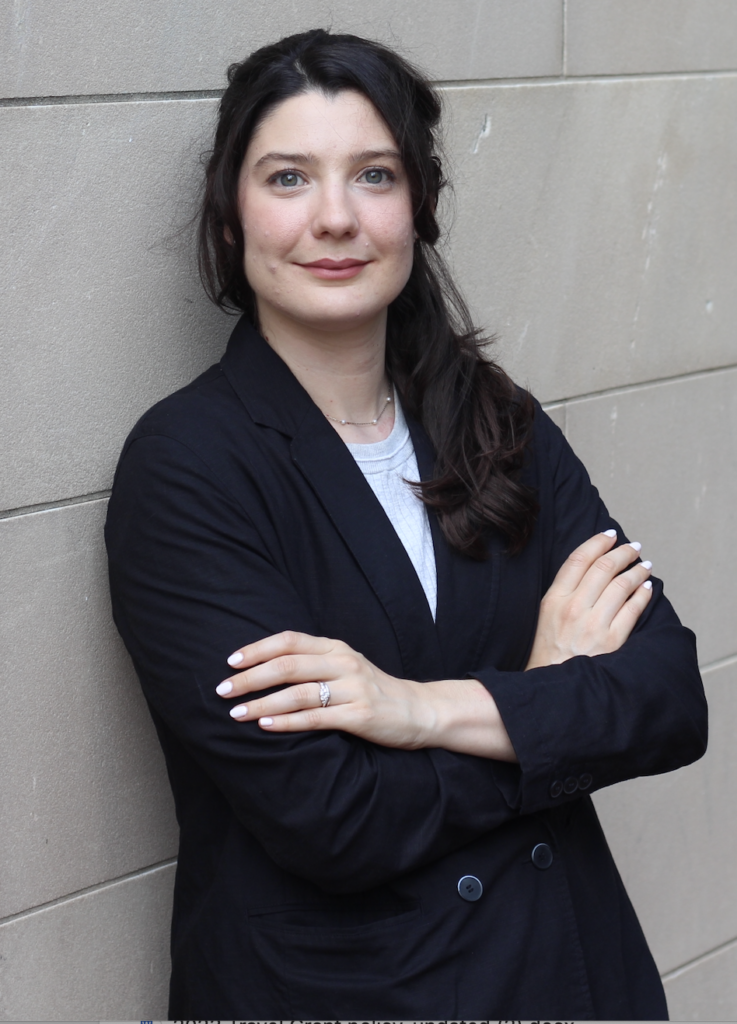
Julieta Casas – Johns Hopkins University
Julieta is a scholar of comparative political development. She studies the long-term causes of state-building and democratization in Latin America and the United States. Her work seeks to bridge the gap between the subfields of comparative and American politics to address canonical questions about political and economic development, such as why countries in the Americas diverged significantly in political stability and economic development after independence. Her research and teaching agenda takes a hemispheric perspective, comparing the sociopolitical trajectories of the U.S., Canada, Latin America, and the Caribbean. She is currently a Ph.D. Candidate in the Political Science Department at Johns Hopkins University.
Her book-style dissertation, titled Building Bureaucratic Capacity: The Political Origins of Civil Service Reforms in the Americas, accounts for the success and failure of civil service reforms—laws aimed at professionalizing the bureaucracy—across the Americas. The dissertation presents a novel theory where the type of predecessor patronage regime is crucial in explaining the success of civil service reforms. All countries had some form of patronage, but not all patronage systems were the same: they varied in hiring and firing practices. The theory innovates by emphasizing how consequential firing practices can be in the success of civil service reform efforts.
Embodied Borders: Transborder Mobility and Mental Health at Mexico-U.S. Ports of Entry

Estefania Castañeda Pérez – University of Pennsylvania
Every day, thousands of Mexican border residents travel to neighboring U.S. cities through land ports of entry along the Mexico-U.S. border. Through their mobilities, transborder commuters are exposed to structural and state violence, including detrimental health effects from waiting in hours-long border traffic and experiencing discrimination from U.S. Customs and Border Protection (CBP) officers. Multi-layered violence is a normalized part of transborder mobility, leading to health and emotional consequences. My book explores how transborder commuters experience the state through negative contact with CBP officers. Furthermore, it examines the sociopolitical and emotional effects of routine violence endured through transborder mobility. In my book, I analyze how racialized populations who regularly interact with carceral institutions become disenfranchised from contesting state power.. My book is poised to make significant contributions to literature on the conceptualization of systemic violence, discrimination, minority sociopolitical behavior, and political institutions.
The Politics of Green Interventionism. The U.S. Southern Command and its military involvement in the Amazon Basin

Juan Corredor Garcia – City University of New York
The renewed global efforts to contain climate change have meant a gateway for states to wage environmental conflicts by adopting a green militarization approach. My research analyzes the international realm of this approach by focusing on the role that the U.S. Southern Command (SOUTHCOM) is seeking to play in the Amazon Basin. The attention of the American Armed Forces to environmental issues is not new since the U.S. Department of Defense has included climate change in one of the top priorities for the hemisphere since 2010. Critical military studies have found that there are currently two trends of green militarization: the first has largely taken a hard approach to addressing wildlife crime while the second is a softer approach based on counter-insurgency doctrine that promotes community engagement and development through international organizations funding this militarization of conservation. While existing studies focus on anti-poaching green militarization efforts in African countries, scholars have unobserved other expressions of the military role over the environment. My research explores the international militaristic involvement by focusing on a new trend: the interventionism in pursuit of the foreign environmental protection.
Buffers or Barriers? The Consequences of Institutional Safeguards on Commitment to Rebel Parties
María Ignacia Curiel – Postdoctoral Fellow at Stanford University
Political parties with origins in violent groups sometimes enjoy institutional safeguards such as reserved seats, quotas, cabinet positions or other types of political affirmative action. How do these guarantees shape the commitment of individuals in the party’s base? Theoretically, safeguards may hinder the consolidation of a rebel party organization by generating counterproductive incentives for members of the party base. Because safeguards mean that the party can achieve power with less popular support and organizational capacity, such safeguards may demotivate the members from investing in party building. This paper investigates the case of the former FARC-EP party Comunes in Colombia, where the peace agreement guaranteed them 10 legislative seats. I implement a randomized priming experiment with ex-combatants and civilian Comunes base members and evaluate the impact on their intended investments in Comunes. The intervention design accommodates major challenges inherent to studying difficult-to-reach populations. On average, participants that were randomly assigned to a detailed reminder of the Comunes party’s reserved seats were less likely to report interest in investing in a range of party-building and campaigning activities with Comunes. However, heterogeneity by ex-combatants reveals that former combatants respond very differently than other members of the party’s base. While the reservations prime depresses civilian commitment to Comunes, they do not substantively shift ex-combatant willingness to invest in Comunes upon reminder of the reserved seats. These findings suggest that institutional safeguards for rebel parties may come at the cost of reducing effort from civilian grassroots, and may further concentrate party activism among ex-combatants.
International Relations of the Middle East: Approaches & Case studies
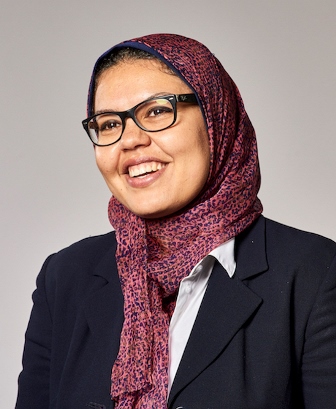
May Darwich – University of Birmingham
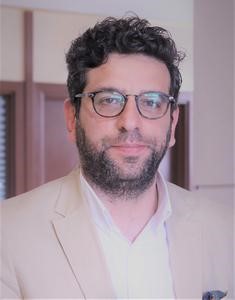
Adham Saouli – University of St Andrews / Doha Institute for Graduate Studies
This project seeks to overcome the gulf between International Relations (IR) theory and the Middle East through the lens of teaching. The goal is to produce the first IR textbook that explores the connections between IR approaches and empirical cases and issues from the region, one that would encourage future scholars to develop theoretical frameworks from and for the Middle East region. Existing textbooks offer rich analyses of various historical and contemporary thematic issues, but lack an in-depth engagement between IR theories and case studies from the Middle East. This project will fill this gap; it will offer a thorough examination of the full spectrum of theoretical perspectives in IR, ranging from mainstream approaches such as realism, liberalism, and constructivism to critical ones, including feminism, postcolonialism, and green theory. Each chapter will assess the strengths and limitations of a theoretical perspective and will offer a detailed examination of a case study or topic, including the cases of Saudi Arabia, Syria, Turkey, Iran, Egypt, Yemen, and topics like special economic zones, sectarianism, revolution, war, and climate change. The project draws on an exceptionally diverse group of leading scholars in the field who are based in the Middle East, Europe, United Kingdom, and North America.
Immigrant Integration Policies in New Destination Cities
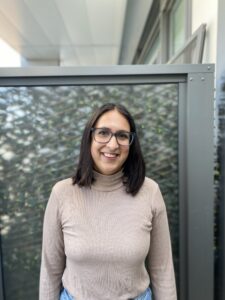 Megan Dias – University of Texas at Austin
My research examines the causes and consequences of local immigrant integration policies in the United States. I seek to understand why different cities adopt different policies, and the impact these varied policies have on immigrants’ civic participation and senses of belonging. I use a multi-method approach in my research, combining time-series quantitative analysis of city-level policy and demographic data, with individual survey analyses, and interviews and process-tracing.
This project looks at four new immigrant destination cities. I am interested in understanding why these cities – Austin, TX, Charlotte, NC, Columbus, OH, and Indianapolis, IN – have each taken a different approach with regards to immigrant integration policies. In some of these cities, policymakers have taken an active, inclusive approach to immigrant integration. In others, policymakers are more passive, letting non-profits drive most of the work. Using elite-interviews and process-tracing, I seek to explain why these different cities, with similar demographic characteristics and political dynamics, have adopted different such different policies. I pay close special attention to the role that interest, and advocacy groups play in the local policy processes and how they shape the understandings of immigrants and their deservingness within each city.
Ultimately, this project will further our understanding of the local policy processes that underpin cities’ responses to immigrants in an increasingly polarized political environment. It has implications for our understanding of local policy adoption, especially for policies that affect historically marginalized groups, and will be of practical interest to local policy actors pursuing such policies.
Engaged Political Theory for the Americas: Democratizing AI and Digital Platforms for Our Hemisphere
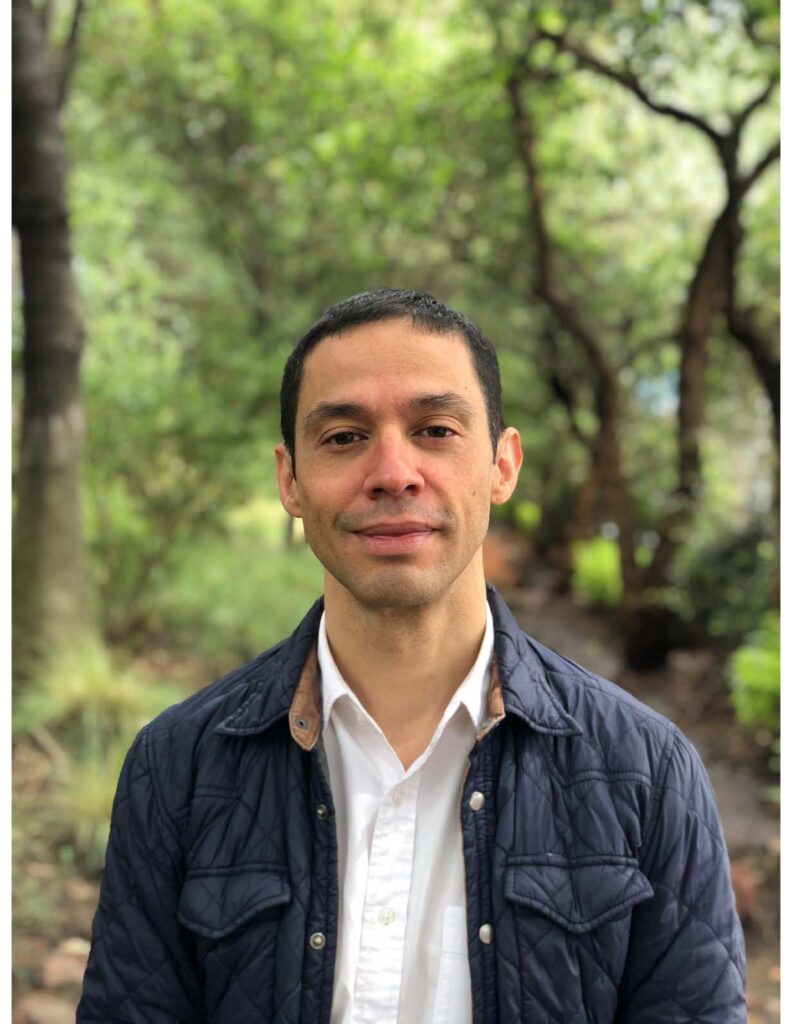
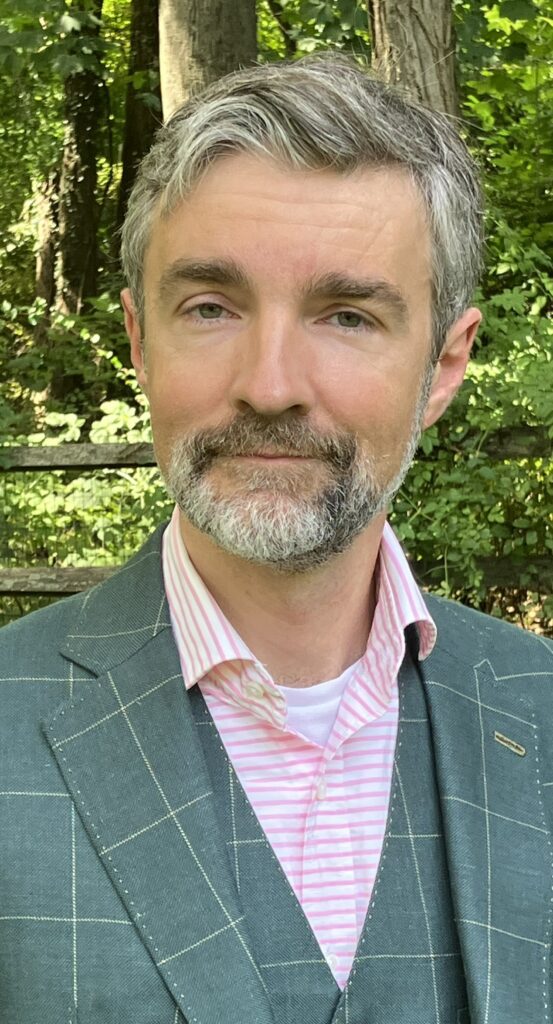
Juan Espindola – National Autonomous University of Mexico
Tom Donahue-Ochoa – Haverford College
This project seeks to advance engaged political theory from and for the Americas. The aims of engaged political theory are: to expand political theory’s global reach, by partnering with ideas, voices, and movements that have been most affected by injustices; to foster the use of engaged approaches to theorizing; to re-center “marginal” ideas and practices within political theory; and to engage broad publics. The project will address how the Global South is being remolded by new technologies. Digital platforms have transformed the world; and as artificial intelligence (AI) is added to them, they will continue to do so. The Global North has seen much debate over how these tools can spur advances in many areas while causing harm in others. But what of the South? This question has hitherto been neglected by American political theory. We think that some impacts will parallel those felt in the North. But not all; and it behooves engaged political theory to study these differences. The workshops would aim to reveal how the impacts differ from their Northern counterparts; how the South’s experiences offer new insights into those counterparts; and how these impacts reshape the plurality found within each region.
The Prevalence and Consequences of Harassment, Threats, and Violence against State Legislators, Mayors, and their Staff

Alexandra Filindra – University of Illinois Chicago
The purpose of this project is to investigate the prevalence and consequences of threats of harm and actual violence by members of the public against American state legislators and mayors. Extant reports by government and academic sources suggest that high rates of threats and violence exist at all levels of government), both Democrats and Republicans are targeted, and women appear to be more heavily targeted than are men. Furthermore, there is evidence that exposure to threats and violence has psychological and political implications. We have conducted 106 in-depth interviews with sub-national elected officials, candidates, and staff in which we investigate exposure to threats and actual violence, and how people respond to these experiences both on a personal and a professional level. In addition to analyzing these interviews, our goal is to develop survey instruments for large-N studies of elected officials and staff and to develop a set of best practices meant to help elected officials increase their resilience. Another part of the project uses survey experiments to explore partisan responses to stories about threats and violence targeting elected officials.
Black Bureaucrats: Identity and Representation in the Public Sector
 Aarika Forney – The University of Oklahoma
Black bureaucrats operate in a workforce that regularly claims to value diversity and equity yet are often the lowest paid and least likely to experience mobility. I suspect this is especially likely to occur in racialized spaces, where racialized expectations exist about which clients’ Black bureaucrats will serve, issues they should focus on, and what types of work they are expected to perform. It is reasonable to expect that many Black bureaucrats are joining these organizations with some interest in pursuing these goals. Still, assuming that all Black bureaucrats have the same goals, priorities, strengths, and interests in equity-focused spaces would be problematic. Whether involving specialized client groups, committee memberships, or community engagement initiatives, it is reasonable to expect variations in levels of interest and competence within any group. My research hopes to shed light on the dynamic interplay between lived experiences, professional inclinations, and the intricate representation landscape within bureaucratic systems.
Through a combination of interviews and a comprehensive survey, my research project examines the lived experiences of Black employees within the public sector. The primary goal is to unravel how these experiences shape their perspectives and actions concerning representation and their roles in the workplace. Specifically, I look to discover how engagement in identity-based representative work varies for Black bureaucrats and how engagement influences their professional growth and personal lives.
Is American national identity a panacea? The complexity of national identity, partisan animosity, and support for democratic norms
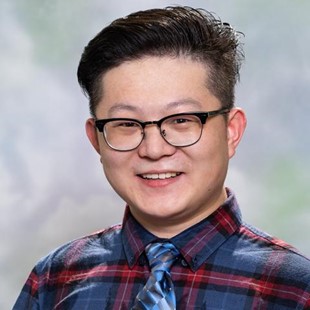


Rongbo Jin – University of Arizona
Frank Gonzalez – University of Arizona
Elizabeth Theiss-Morse – University of Nebraska–Lincoln
Affective polarization is a defining feature of contemporary American politics that has toxic political and nonpolitical consequences. However, the jury is till out on how to depolarize Americans and stimulate support for democratic norms. This project investigates the complexity of national identity and its potential effects on partisan animosity and support for democratic norms. We propose an online experiment priming different dimensions of national identity to examine the effects of each on partisan animosity and support for democratic norms. Our treatment groups will respectively prime Ethno-culturalism, Multiculturalism, American Exceptionalism, Democracy, Rule of Law, and Civic Republicanism. We hypothesize, (1) priming Ethno-culturalism, Multiculturalism, and American Exceptionalism will increase animosity and decrease support for democratic processes; (2) priming Democracy, Rule of Law, and Civic Republicanism will reduce animosity and increase support for democratic processes.
Visual Protest Movements: The Significance of Digitally Shared Images for Defying Authoritarian Regimes

Parichehr Kazemi – University of Oregon
My research explores the use of digital media in Iranian women’s protests against gender discrimination and violence. Circulating pictures and videos on social media showing women engaged in subversive acts from walking unveiled to dancing in public (both of which are banned for women under the Islamic Republic) have formed a part of Iranian women’s resistance efforts for the last decade. I look at the ways this content enacts a form of protest to the state in lieu of opportunities for institutionalized dissent by visualizing and publicizing resistance to public laws and gender norms. Drawing on feminist studies, media studies, and social movement studies, my dissertation develops the concept of “visual protest movements,” taking the Iranian women’s movement as exemplary of the kind of mobilization fusing social media images with public defiance. I historicize this form of protest in Iran by placing it along a continuum of prior women’s activism, having taken shape around the state barriers to free expression, and use image, video, and discourse analysis in my interpretation of its content.
Culture or Security? How Gender Trumps Geopolitics in Shaping Support for Trade with Strategic Partners
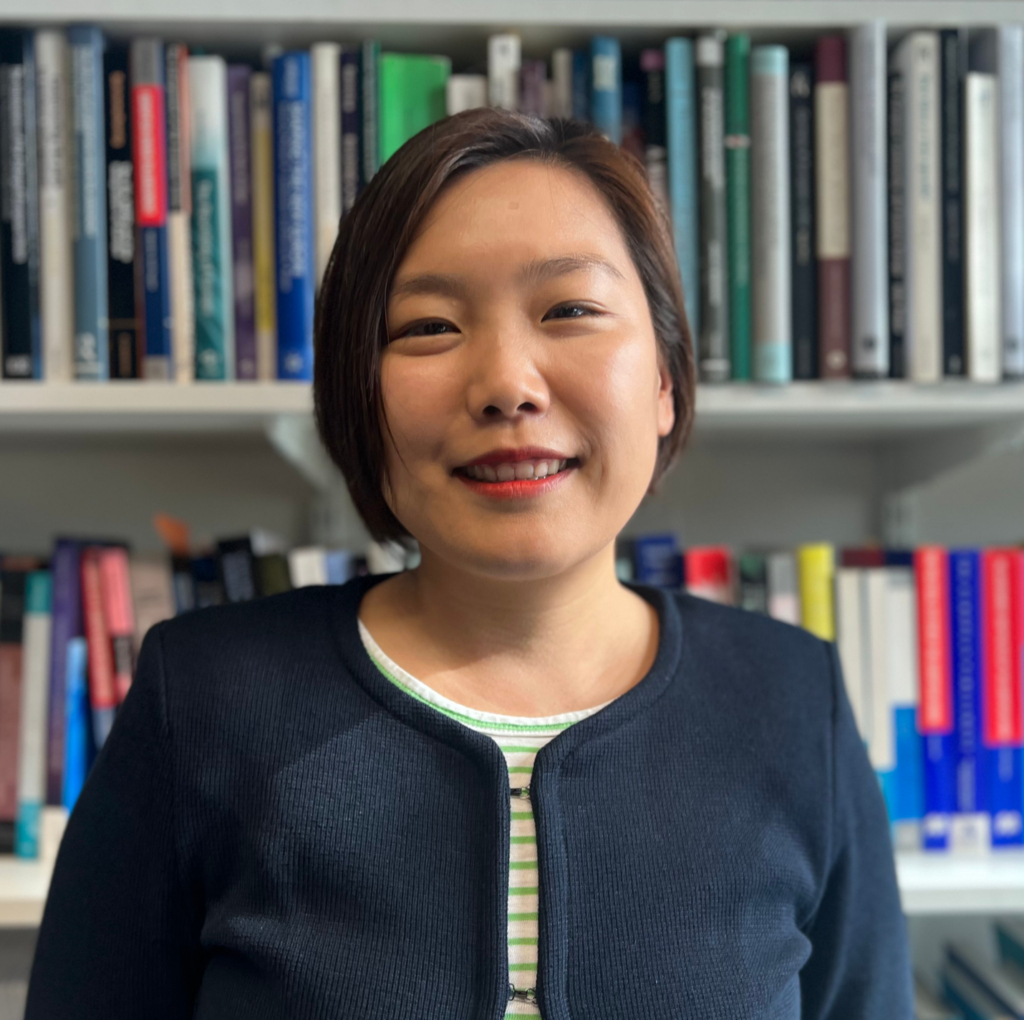
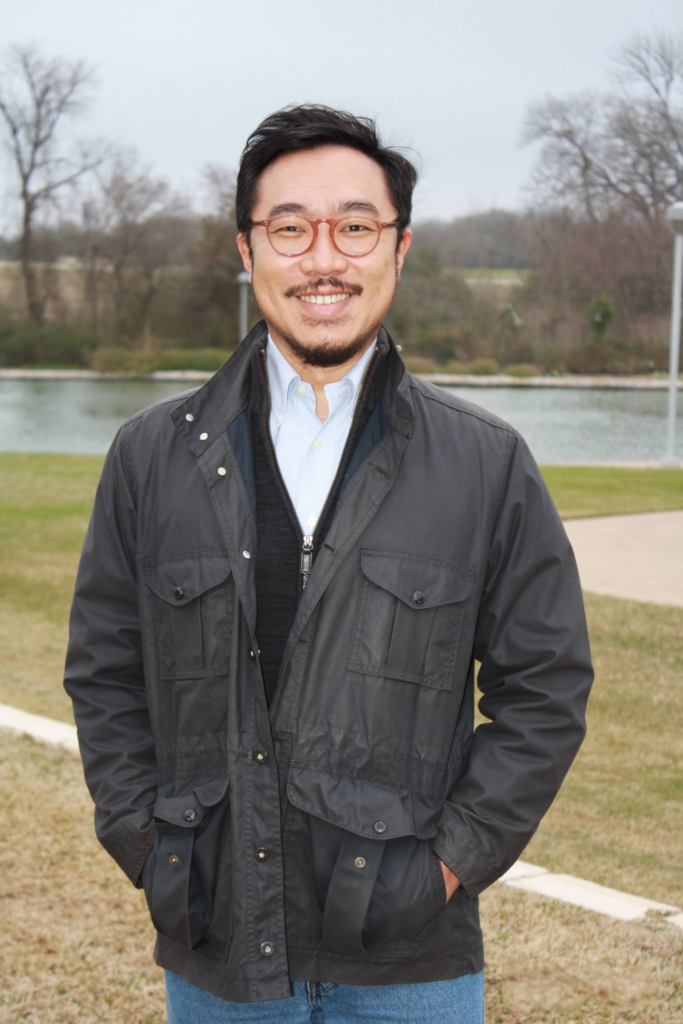
Boram Lee – London School of Economics and Political Science
Jongwoo Jeong – Washington University in St. Louis
Do people prioritize cultural considerations or geopolitical factors in determining their support for international trade with strategic partners? International relations scholars argue that countries prefer to trade with allies than with enemies due to geopolitical considerations. But we know little about how people update their attitudes on trade when they experience cultural differences with their allies. We propose and test two mechanisms – learning and priming – by which individuals shape their attitudes towards trade cooperation when there is a misalignment between geopolitical needs and cultural values. We test our theories in the context of gender norm compatibility (e.g., feminism and legalization of same-sex marriage) between the US and South Korea, conducting a survey experiment on the South Korean mass public and interviews with experts and activists. We expect to find that individuals with strong gender norms will decrease their support for trade with the US if their prior gender norms deviate from the ally’s preferred gender norms, rather than learning from the ally and updating their own gender norms. This study supports the view that low and private political issues of gender may have significant consequences on international cooperation in high politics.
The End of the Era, or the Past Long-Lasting? Impeachment of Park Geun-hye and the Authoritarian Nostalgia in South Korea

Young-Im Lee – California State University, Sacramento
Existing studies have examined how political dynasties in Asia facilitate the election of women to top national leadership positions by leveraging their predecessors’ legacy and social capital. However, little attention has been given to the influence of the heirs’ performance on public perception of both their predecessors and the future of the dynasties – in other words, what happens after their exit. When these women end their political careers amidst scandals does the nostalgia for their father or husband also die? This study answers these questions by examining the case of Park Geun-hye’s presidential impeachment in South Korea in 2016. I will use qualitative content analysis of focus groups with about 30 voters in three major cities in South Korea to answer this question. Despite South Korea’s economic and democratic success, many voters still embrace authoritarian nostalgia. Moreover, authoritarian nostalgia has resurfaced in numerous democracies in the last decade. By centering on ordinary citizens’ voices and narratives, this study will provide empirical insights and advance theories about democratic backsliding and democratic recession worldwide. Findings from this study will be published as a chapter in my book examining the political legacy of the first female president of South Korea, focusing on women’s political empowerment and authoritarian nostalgia.
Democracy: Finding the Harmony in Discordance

Debra Leiter – University of Missouri Kansas City
Democracy has many different definitions and, much like the political system itself, the definitions have evolved and changed over time and context. Yet these differences can be hard to reconcile and if these differences are not addressed, may weaken support for democratic foundations. How, then, can we bring people together to consider what democracy is in a way that promotes listening, conversation, and understanding? Music is a powerful medium for encouraging communication across many different individuals, and we believe that this is an important tool for holding this type of conversation. We plan to hold a public concert presented by the Mid America Freedom Band, Kansas City’s LGBTQIA+ and ally community band, on different conceptions and ideas of democracy. This educational concert will interweave musical portrayals of democracy, representation, and key liberal democratic ideas with readings and discussions that tie the musical messages together. The cornerstone of this concert will be a newly commissioned piece that will interweave these concepts of democracy together and help identify the core harmonies that exist among the many different melodious definitions and ideas of democracy. The public concert will conclude with a talk-back session and discussion with the audience about their own concepts of democracy, using the music as a key shared experience to allow important, if challenging, conversations to occur. Our goal is not to create a single definition of democracy, but instead to demonstrate that the many views of democracy can be harmonized together.
Smugglers, Sovereignty and Citizenship in the Western Mediterranean
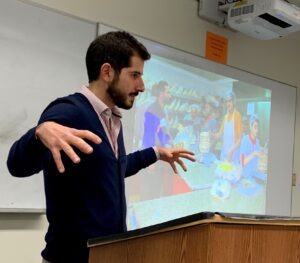
Jose Ciro Martinez – University of York
What do borders look like when seen from below? At a time when countries are increasingly committed to facilitating international trade while curtailing the illegal flow of people and things, research on those who live and labour amidst and across national boundaries remains limited. Smuggling, in particular, is under-explored, portrayed as a threat or misdeed, rather than a socially embedded activity that can aid subsistence and garner local support. Focusing on Spanish-Moroccan borderlands, and honing in on two very different goods (tobacco and hashish), this project explores the ways local communities in contraband corridors conceive, navigate and relate to national boundaries and illegal (but not always illicit) modes of exchange. Through archival work, it seeks to transform research on and popular understandings of borders by examining how political membership and authority transpire in places where law-making, law-breaking and law-enforcement practices come most forcefully into view.
Glocalizing Climate Science: Epistemic Exclusions through Credibility Capitalism

Jittip Mongkolnchaiarunya – The George Washington University
Climate science shapes how we govern the climate. Yet, climate science has a diversity problem. Why, given the espoused scientific commitment to pluralism as well as the interdisciplinary and global nature of climate change, do scientific perspectives from the Global South get excluded from mainstream climate science? This paper uncovers how the exclusion of Global South perspectives occurs systematically in climate science and explores the consequences at the global and local levels. I argue that “credibility capitalism” – a system of knowledge production that rewards research and practices that utilizes prior knowledge that has already been recognized as “credible” – poses a structural impediment to incorporating certain kinds of knowledge into what gets considered as legitimate climate science in the first place. Drawing from interviews with climate scientists in Southeast Asian countries and their interlocutors in the Global North, I identify important sources of credibility capital in climate science – such as “universal knowledge” as embodied in scientific models – and process trace how they exclude knowledge that privileges “local perspectives” from the Global South. As such, under credibility capitalism, diversity can at best be justified as “fairness” based on country representatives, but not for the sake of diversifying epistemological perspectives to knowledge production.
Lithium, the Promise of Energy Transition, and Emergent “Green” Political Projects in California and Chile
Tamara Ortega-Uribe – University of California Santa Cruz
The research aims to problematize the green transition narratives, analyzing the political/theoretical implications of lithium development in California and Chile during the last decade, their associated development projects, their narratives, and management techniques. Lithium extraction offers a promising alternative to developing countries like Chile and developed ones like the US to build national economic strategies based on green projects. The energy transitions field has been widely studied from different perspectives and disciplines, especially since 2010; the increasing number of publications has been dramatic (Stefani et al., 2022), demonstrating the topic’s relevance in scholarly publications and political debates. However, the rational choice perspective predominates in the field, while social sciences and humanities disciplines are underrepresented, focusing less on critical theories (Sovacool, 2014). While political and social science research on lithium has focused on its socioenvironmental impacts (Liu and Agusdinata 2020), resource governance (Obaya 2021), or imaginaries associated with lithium (Barandiarán 2019), there is scarce research on the Global North and the US (Riofrancos, 2023), or focusing on comparing countries in the Americas. Therefore, this research project aims to contribute to these underdeveloped fields.
Choosing the Lesser Evil: Tribal Alignment Formation in Civil Wars
 Busra Nur Ozguler Aktel – Georgia State University
My research explores tribal dynamics and alignments in civil wars. Tribes, as historically rooted social organizations, play essential roles in many conflict-ridden states, such as Afghanistan, Iraq, Syria, Libya, or Yemen. Despite their distinct roles in conflicts, these actors are often neglected in scholarly literature. Acting with different motivations than other non-state actors, tribes react to prevailing challenges within conflicts by forming and switching alliances. This study seeks to understand why some tribes align with rebels while others align with states during civil wars and why some tribes switch their alignments. I argue that tribes form and switch their alliances based on their perception of threats to their traditional tribal structure (internal dynamics) and clientelist relationships (external dynamics). In other words, threat perceptions lead tribes to establish non-fixed alignments with either the state or rebels, whichever is less likely to disrupt their traditional structure and patronage networks.
Empirically, I examine Iraqi tribes between 2003 and 2017 and employ mixed methods. I explore the causal dynamics between threat perception and alliances by conducting fieldwork in Iraq and Jordan from January to March 2023, which includes 40 interviews with Iraqi Sunni tribal leaders, tribespeople, and professionals. I also test my theory through computational text analysis of statements made by Iraqi tribal leaders in newspapers and tribal documents.
This study contributes to the advancement of international security studies by introducing tribes as non-state actors and shedding light on the complex (re)alignments of tribes that can shape the trajectory and outcome of conflicts.
Measuring LGBT rights violations
Gino Pauselli – University of Pennsylvania
This project aims to generate the first dataset on rights violations against lesbian, gay, bisexual, and transgender (LGBT) people worldwide by using the US Department of State’s Country Reports on Human Rights Practices. The dataset will be created by coding sentences from the section of these reports that specifically address the situation of the LGBT community in that year. The coded sentences will be analyzed for allegations of different types of rights violations, such as discrimination, physical abuse, violations of political and civic rights, and economic and social rights. The data will be used to train an algorithm, which will be exposed to the same countries coded by research assistants to generate indicators on the number of allegations of these different types of rights violations. The dataset will be useful for scholars studying the state of LGBT rights across different countries and regions, and may also be of interest to activists, policymakers, and human rights organizations working to promote the rights of LGBT people around the world.
Public Opinion Dynamics around the Illegal Co-optation of Power by Narco-linked Candidates and Organizations
Mariana V. Ramirez Bustamante – Vanderbilt University
Across Latin America, many people live in areas with criminal governance, where their daily lives are affected by rules or codes established by criminal groups. Yet, despite the widespread presence of these extra-legal groups, we still know little about popular support for these actors and their political effects at the local level. This study addresses why citizens support candidates with links to drug trafficking. In turn, it focuses on how this illicit economy shapes citizens’ political attitudes. Drawing on theories of voting behavior and accountability, as well as studies on illicit economies, I argue that voters willingly support narco-linked candidates when they perceive that the benefits of drug trafficking organizations (DTOs) outweigh the costs. Further, these extra-legal actors can (re)define citizens’ beliefs. On the one hand, growth in illegal economic revenues from the cocaine trade increases people’s support for the local government in high drug trafficking areas, because of (illegal) economic dependence. On the other hand, since these criminal organizations need structures, clear chains of command, and secrecy to keep business as usual, I contend that living in areas of known DTOs’ presence makes citizens more accustomed to vertical authority structures, leading to lower support for democracy. I test this theory using a mixed-methods approach, with a primary focus on the Peruvian case given the comparatively low levels of narco-violence, which allows assessing nuances in political representation and popular beliefs that can arise in areas dominated by illegal actors.
Communist Colonialism and Development: Forced Labor and the Unmaking of the Soviet Legacy
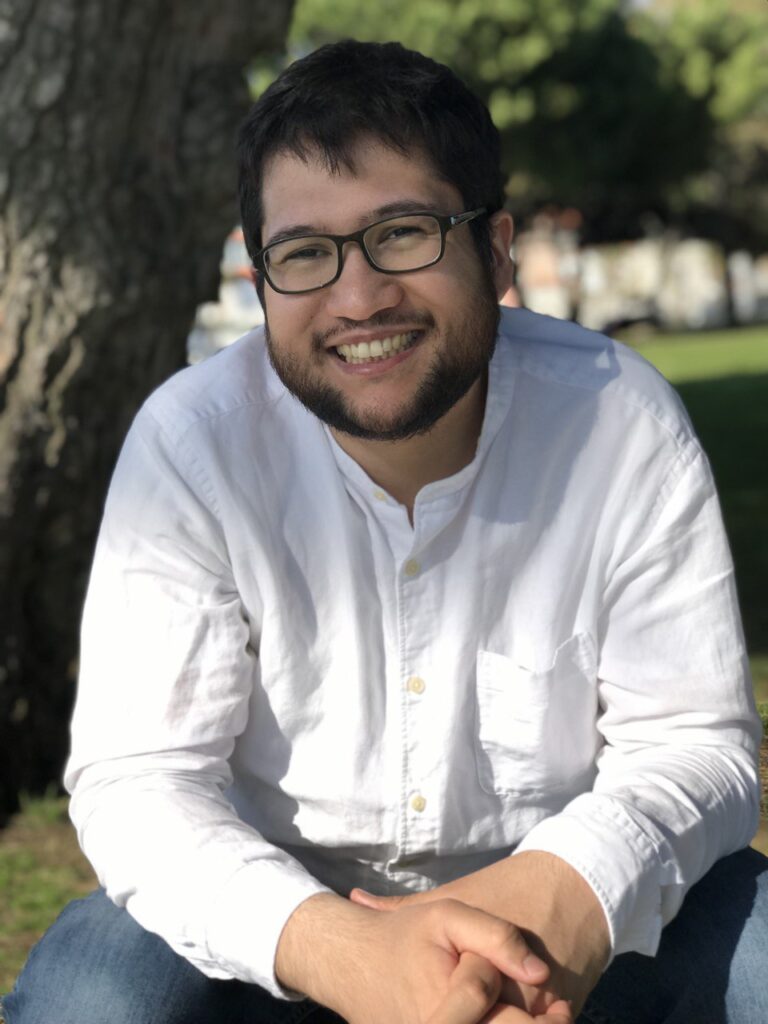
Khasan Redjaboev – University of Wisconsin-Madison
The Soviet Union emancipated women in its imperial periphery through top-down cultural programs, political ideology, and progressive public goods between 1920s-1960s. The regions most affected through a fast-paced imposition of new social institutions were Central Asia, the Caucasus, and agricultural Russia and Ukraine. However, the modern-day attitudes towards women in those areas of the post-Soviet Eurasia 30 years after the collapse are not egalitarian and there is significant discrimination with gender-based violence. What explains this short-lived legacy? Using extensive archival work, I find that the Soviet Union’s emancipatory social policies in agricultural regions were led by the need for labor force. Women were allowed limited emancipation and inclusion to participate in systematically underpaid and forced labor practices. In return, the government provided police protection, legal rights, literacy schools (likbez), daycare, and reproductive access. I test my evidence causally, by estimating the average treatment effects for key pro-women public goods and attitude outcomes in cash-crop intensive and non-agricultural areas. But the repressive and non-deliberative nature of these new social institutions created a gendered and non-participatory authority. Only the most apt at forced labor mobilization and repressive enforcement were promoted, most of them and most often males. Their repressive capacity weakened as the system collapsed and a gendered backlash ensued. Without bottom up participatory and deliberative progressive politics, the costly social policy legacies of the Soviet Union were short-lived. My research contributes previously unexplored and understudied explanations to the creation and maintenance of extractive institutions, their legacy effects, and how they continue to affect state- and society-making policies to this day.
Marginalization in the Movement: The Effect of Intersectionality on Activist Leadership
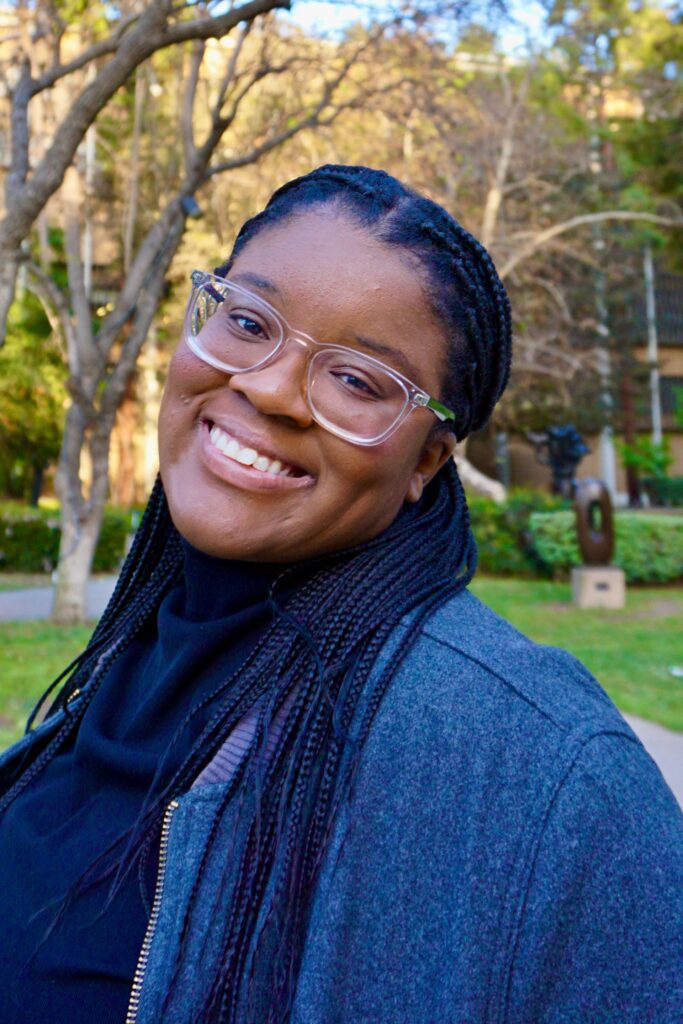
Crystal Robertson – UCLA
Under what conditions does intersectionality influence the strategies of social movement leaders focused on social justice? Social identities are crucial for social movement organizations (SMO), serving as one of the strongest mobilizers for movement participants. Activists utilize group identities to recruit and retain participants (Polletta and Jasper 2001), similarly, the social identities of the movement’s leadership is important for mobilization processes. People tend to expect leaders to hold more privileged identities such as Whiteness or masculinity (Rosette, Leonardelli, and Phillips 2008; Scott and Brown 2006). While there are exceptions they tend to occur in organizations on the decline (Rosette and Livingston 2012). Between the downward trajectory of the organizations and discrimination from within (Hurwitz 2019) and outside the organization, leaders with multiple marginalized, or intersectional, identities face tremendous challenges in leading activist organizations.
I argue intersectional activists take resistance against their intersectional identity into account in their strategizing and therefore prefer more moderate tactics rather than techniques considered radical. I speculate this includes a hesitation to include intersectional political agendas into their organizing for fear of backlash. This framework identifies the concern of discriminatory resistance as a key factor in intersectional leaders’ tactical selection and assesses the potency of this factor’s influence on public opinion. Social psychology research finds that as intersectional activists’ leadership status is more fragile, they are more likely to act on behalf of the group and react more harshly when someone defies group norms (Ellemers and Jetten 2013). Given the symbiotic relationship between leaders and followers, I assess each group’s perception of public support for intersectional leadership and their freedom in emphasizing particular issues.
To test this theory I will utilize observational surveys, survey experiments, and in-depth interviews to understand intersectional leadership within social justice organizations and how these dynamics influence American political behavior. This dissertation will commence by establishing our understanding of intersectional activists’ experiences in social justice organizations. Through observational surveys of activists and in-depth interviews, I collect firsthand accounts of intersectional marginalization in activist organizations, learning what hardships these leaders face and their responses. As these leaders have high visibility roles, I turn to examine how these marginalized activists are perceived by the public.
This dissertation project offers interdisciplinary and actionable contributions to our understanding of identity and activist leadership. Oftentimes social movement analyses utilize a historic approach rather than examining contemporary movements. Furthermore, I apply a social psychology framework of leadership to assess leader and public dynamics in contemporary movements. These dissertation findings hold implications for our understanding of any distinctions in intersectional activists strategizing and improvements for such strategies.
Bringing the State Back in Community-Based Peacebuilding
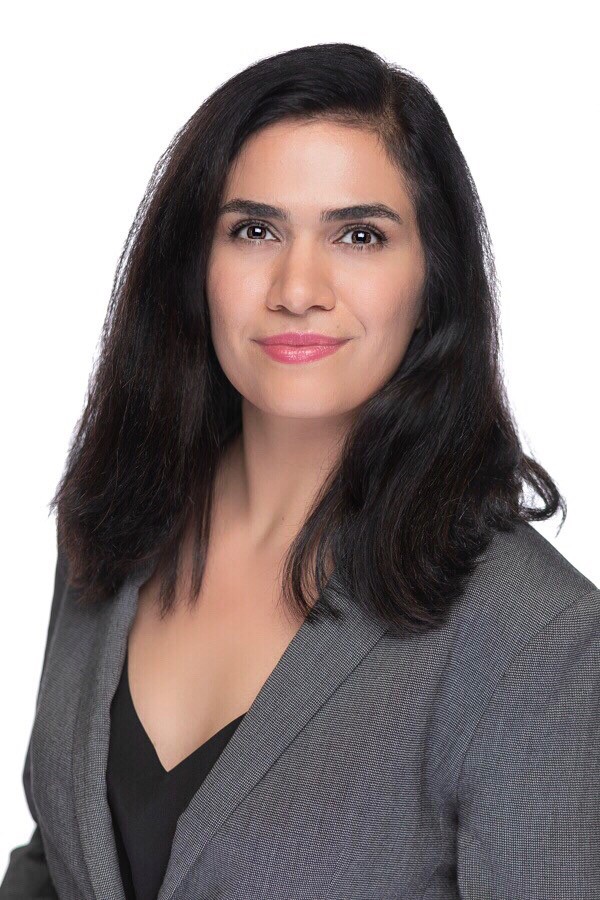
Sally Sharif – Simon Fraser University
In the aftermath of civil conflict, the demobilization of armed groups and transition can, paradoxically, usher in heightened security challenges. With the turn to local peacebuilding, post-conflict interventions have increasingly emphasized the significance of “community-based” peacebuilding. Can community peacebuilding alone reduce post-conflict violence? What is the role of the state in post-conflict violence reduction? This project shows that the efficacy of community peacebuilding, characterized by collective action by ex-combatants and collaboration with civilians, hinges upon the provision of security by the state. An analysis of 12,000 ex-combatants of the Revolutionary Armed Forces of Colombia reveals that a tangible decrease in post-conflict violence is discernible exclusively in areas hosting state-recognized demobilization and reintegration camps, where ex-combatants engage in joint economic endeavors and collaborate with civilian populations. The findings indicate that ex-combatants face a reduced risk of assassination in areas characterized by concurrent community peacebuilding initiatives and state security provisions. Conversely, in the absence of state protections, community-based peacebuilding appears to correlate with an increase in post-conflict violence. The project traces the process of state-supported community peacebuilding through qualitative data from semi-structured interviews with 200 community leaders and ex-combatants. These interviews illuminate the transformative impact of state sponsorship on state-citizen relations, fostering an environment where citizens are more inclined to demand security from the state, consequently extending the presence of the state into regions previously marked by its absence.
From Divided to United: The Paradoxical Effects of Mobilizing Structural Networks

Raj Kamal Singh – University of California, Santa Barbara
Most existing theories of social movement coalitions assume some form of commonness to be necessary for coalition formation between movement actors. Moreover, studies show that when organizations within a movement are primarily concerned with distinct structural groups (e.g., race, class, caste), coalition formation is highly unlikely. Yet, coalitions between structurally divided organizations are not uncommon. To understand what conditions facilitate coalition formation within structurally divided movements, I examine a difficult case, namely the Indian farmers’ movement, which has been historically divided along caste, class, and ideological lines. Although the movement was previously fragmented, two large, diverse coalitions have emerged in the last decade. Drawing on extensive fieldwork and secondary resources, I argue that organizations’ capacity to mobilize their structural networks has a paradoxical effect on collaboration within divided movements. Specifically, while a low capacity to mobilize structural networks may make it difficult for organizations to achieve their objectives, it allows for the movement environment to become open and inclusive and creates incentives for organizations to collaborate, thereby enhancing the movement’s chance of success. Ultimately, this study highlights that in structurally divided contexts, actors are faced with a collective action dilemma: factors that increase the power of an individual organization are likely to weaken the power of the broader movement.
The Cost of (Not) Being Pale, Male, and Yale: Ambassadorial Attributes and Foreign Policy Legitimacy

Clara Suong – Virginia Tech
This proposal outlines an ongoing project on foreign policy implications of the lack of bureaucratic representativeness. I study the nature and pattern of bureaucratic representativeness (or lack thereof) among U.S. ambassadors—key agents in the implementation of U.S. foreign policy—as well as systemic racism/discrimination many of them experience. I explore the effect of ambassadors’ ascriptive attributes—such as their race, ethnicity, gender, and educational background—on the global public’s receptiveness to U.S. foreign policy. My preliminary analyses confirm a pattern of bureaucratic unrepresentativeness in 1945–1981, reflecting the U.S. State Department’s reputation of being “pale, male, and Yale”—dominated by white male diplomats educated at Ivy League schools. I intend to use the funds from the 2023 Summer Centennial Center Research Grants to extend my preliminary findings on the effect of bureaucratic unrepresentativeness temporally and geographically. Using the funds, I will field a paired pilot survey experiment in Brazil and the U.S., examining the effect of bureaucratic representation on legitimacy of U.S. foreign policy perceived by the U.S. and Brazilian publics.
Ethnicity Across Borders: The Political Mobilization Against Dalit Discrimination in the United States

Anum Syed – George Washington University
My research explores how social identities tied to a specific context become politically salient in vastly dissimilar political environments. In recent years members of the South Asian diaspora have mobilized the Dalit identity, the lowest stratum of the caste hierarchy, to secure explicit legal protections against caste-based discrimination in the United States (US). My project leverages this understudied phenomenon of Dalit activism in the US to examine how experiences of everyday discrimination politicize otherwise invisible migrant identities. I combine in-depth interviews with discourse analysis to theorize about how the invisibility of vulnerable migrant identities lowers the social and legal costs of in-group discrimination, increasing the incidence of such behaviors. This, in turn, drives vulnerable migrant minorities to develop group consciousness and demand political recognition. I further aim to test these insights using an original survey experiment. Together, these findings will shed new light on micro-level processes of identity politicization.
Legitimization by Association: The Political Consequences of Peace Talks with Rebel Representatives
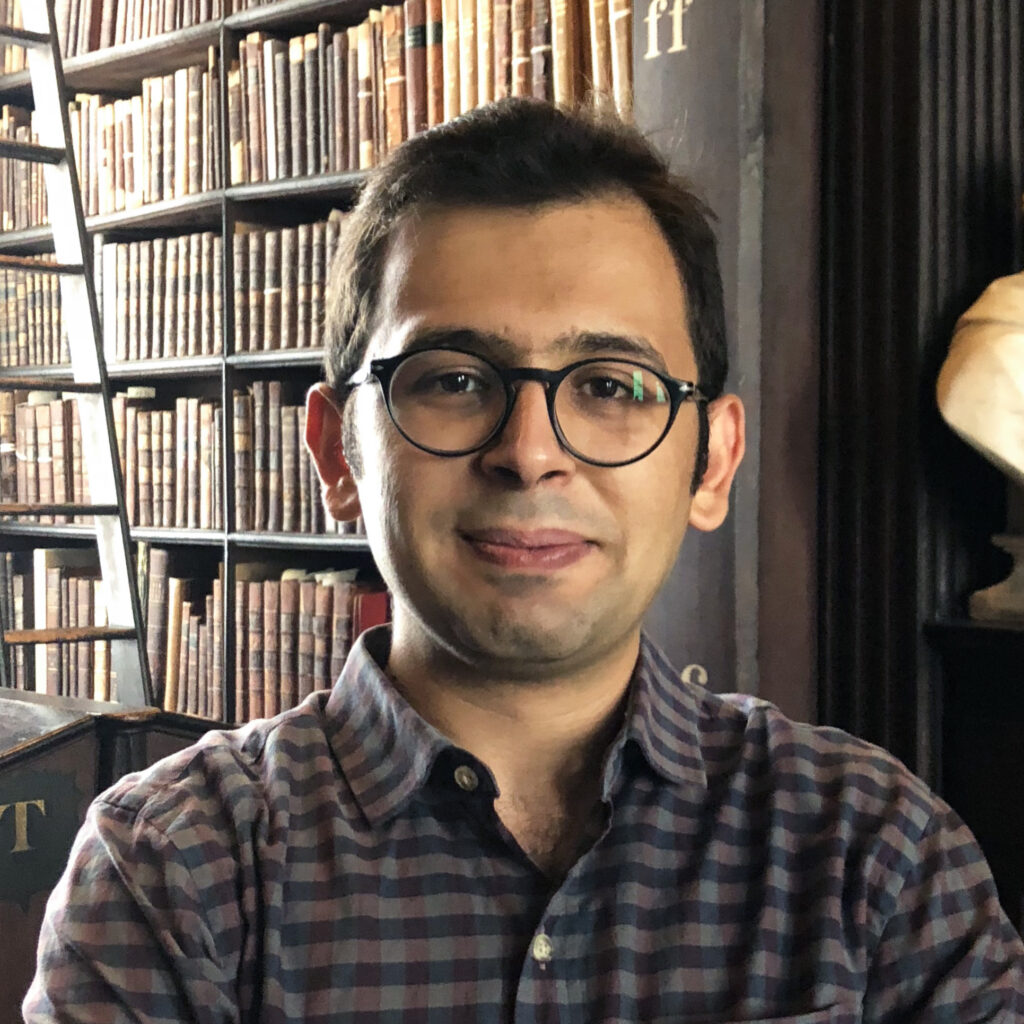
Oguzhan Turkoglu – Hertie School
Negotiations are the primary mechanism for the peaceful resolution of conflict and are significant political events, attracting intense media coverage and public speculation. Whilst existing studies have focused mainly on the determinants of successful negotiations or the impact peace agreements have on post-conflict stability, there has been very limited empirical analysis of the independent impact of peace talks process, irrespective of their eventual outcome. This research seeks to address this gap by arguing that peace talks are likely to increase public support for the political wings of rebel groups, an effect brought about by two primary mechanisms: legitimization by direct government engagement and changing media coverage. We test our argument through an analysis of peace talks in Turkey. We will provide evidence in three steps. First, through a combination of granular survey data of seven years with more than 200.000 participants and election results, we will demonstrate how increases in the vote share of the political wings of rebel groups coincide with peace negotiations. Second, we will explore how media coverage of the political wing of rebel groups changes during peace negotiations by employing quantitative text analysis. Third, we will carry out a survey experiment to identify the causal effects of peace negotiations. This research opens an important new agenda in civil conflict research highlighting the strategic and political significance of peace talks irrespective of their outcome.
The Borders of Global Health Citizenship: Inclusion and Exclusion along the Dominican-Haitian Border
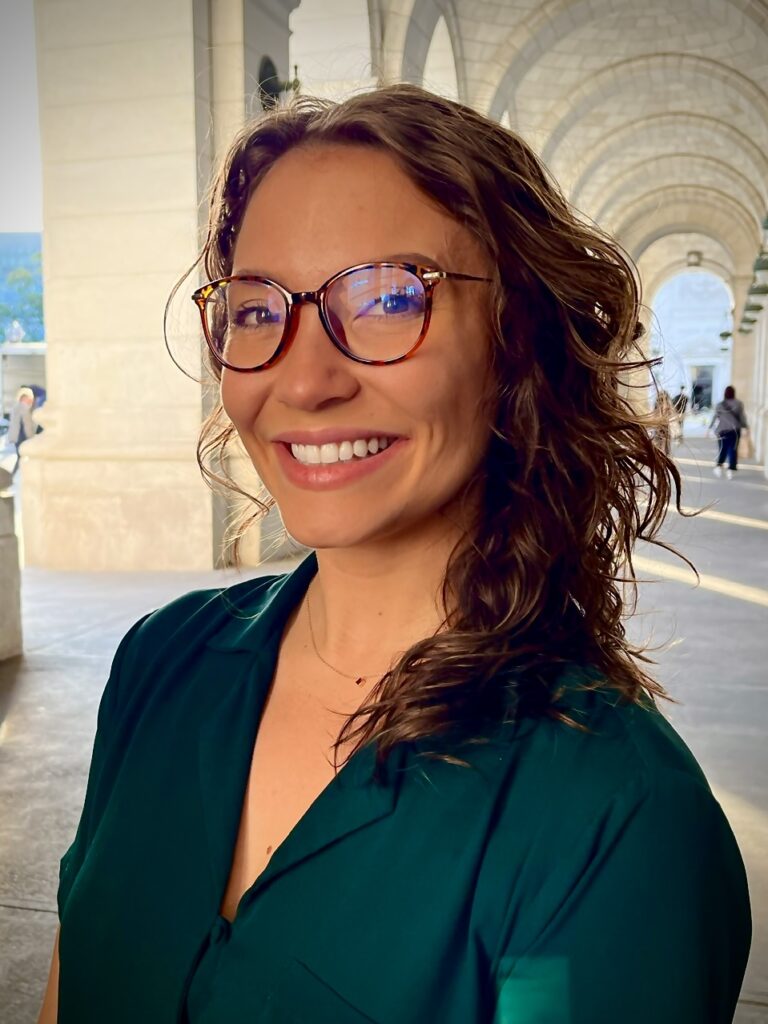
Lucia Vitale – University of California, Santa Cruz
This project is interested in rural healthcare access in the Global South and how an individual’s constant navigation between state and non-state health services elucidates important ways that individuals are included-in or excluded-from health services. By comparing across the national border between the Dominican Republic and Haiti, this project uses the term Health Citizenship to describe the political relationship that forms between an individual and a health service agency at the point of accessing services. Guiding questions include: What kinds of Health Citizenship does global health imagine and produce?; How does social policy define and police different types of Health Citizenship?; How do transnational and national scale definitions of Health Citizenship land locally to influence primary healthcare access? It measures health care access at three scales: the transnational, the national, and the local. Transnational and national scales are represented by elite and expert interviews in the capital cities of Port-au-Prince and Santo Domingo. They detail how individuals and groups are included in or excluded from certain health services. Local scale data collection—which triangulates between an original survey, focus groups, and interviews—show how health services designed at higher scales of governance land in the borderspace. As migration flows between Global South countries increase, social rights provision is complicated by limited state capacity and political goodwill in receiving nations. Understanding health system navigation is crucial if we are to meet SDG #3 on ensuring healthy lives at all ages, and if we are to move forward effective scholarship that recognizes the fragmented pieces of the healthcare puzzle.
Maybe in my backyard: How refugee-host cooperation promotes peace and prosperity

Rebecca Wai – University of Michigan, Ann Arbor
How does cooperation foster peace and prosperity among hosts and refugees? I examine whether strong economic community institutions contribute to peacebuilding as they provide a space for social capital and cooperation to develop between refugees and host communities. To test this, I examine the results from a 1006-person survey with an embedded vignette experiment. I explore these dynamics in the context of cooperation between host communities and refugees in farmer groups in Uganda, as cooperation most commonly emerges through agricultural livelihoods in rural areas in developing countries – where an overwhelming proportion of the world’s refugees are settled. With the survey, I test whether compared to members in homogeneous farmer groups that consist of solely refugees or hosts, refugees and hosts in mixed groups have more positive attitudes towards each other due to prolonged and consistent interactions, as well as improvements in their livelihoods through cooperation.
Currency Wars in Retreat: Global Value Chains and Exchange Rate Politics
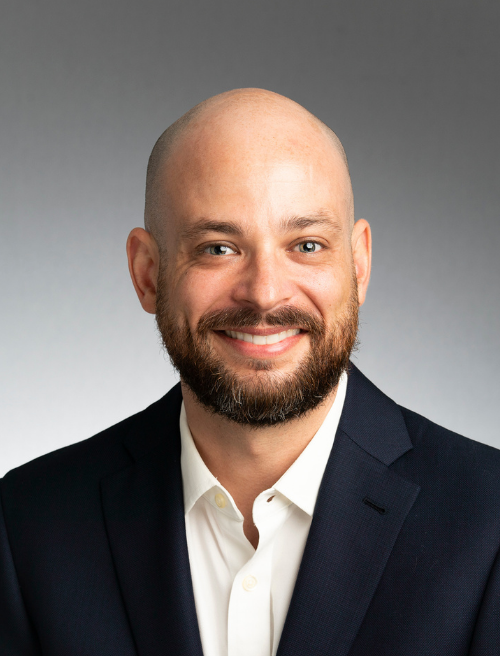
Ryan Weldzius – Villanova University
Ryan researches the distributional consequences of economic interdependence and the constraints this places on the policies of states. The core argument of his work is that increased global value chain trade alters the policy preferences of firms, which in turn impacts policy outcomes. In his book project, Currency Wars in Retreat, he focuses on one such policy outcome: exchange rates. Whereas traditional models of exchange rate politics predict an export-dependent firm should prefer an undervalued exchange rate, Ryan argues that the benefits of this policy attenuate as firms increasingly rely on global value chains in the production of their goods. As these payoffs change, and with it the preferences of firms, so too does the exchange rate policies of states. He supports his argument with rich cross-country time-series data on global value chain trade as well as case studies in Japan, Sweden, and Taiwan. Ryan will utilize the generous funding from the Huang Hsing Chun-tu Hsueh International Fellowship Fund for his case study of Taiwan, where, in Spring 2024, he will conduct elite interviews with managers of globally-oriented firms.
Public Attitudes Towards Transnational Climate Reparations: A Survey Experiment in the United States

Muzhou Zhang – University of Essex
“Loss and damage” from climate change is distributed unequally. This issue dominates the recent climate agenda, as was the case at COP27, and exemplifies the political cleavages between the Global North and South. Being less vulnerable to climate change themselves, under what circumstances do people in the Global North become more willing, if at all, to pay for climate reparations to those affected in the Global South? Drawing from varieties of the foreign aid literature, I argue that both identity on the demand side, racial composition of the recipient country, and instrumentalism on the supply side, disincentivizing climate-induced immigration, matter. I propose to test my argument with an original vignette experiment fielded in the United States, given the country’s huge responsibility and potential in climate action and international development. I expect this project to contribute to the politics of international climate finance, the public opinion-overseas spending nexus, and, normatively, the discussion around environmental justice and reparations in general.
What Kind of Glue? Indigenous American Preferences Towards Institutions and Government Reform


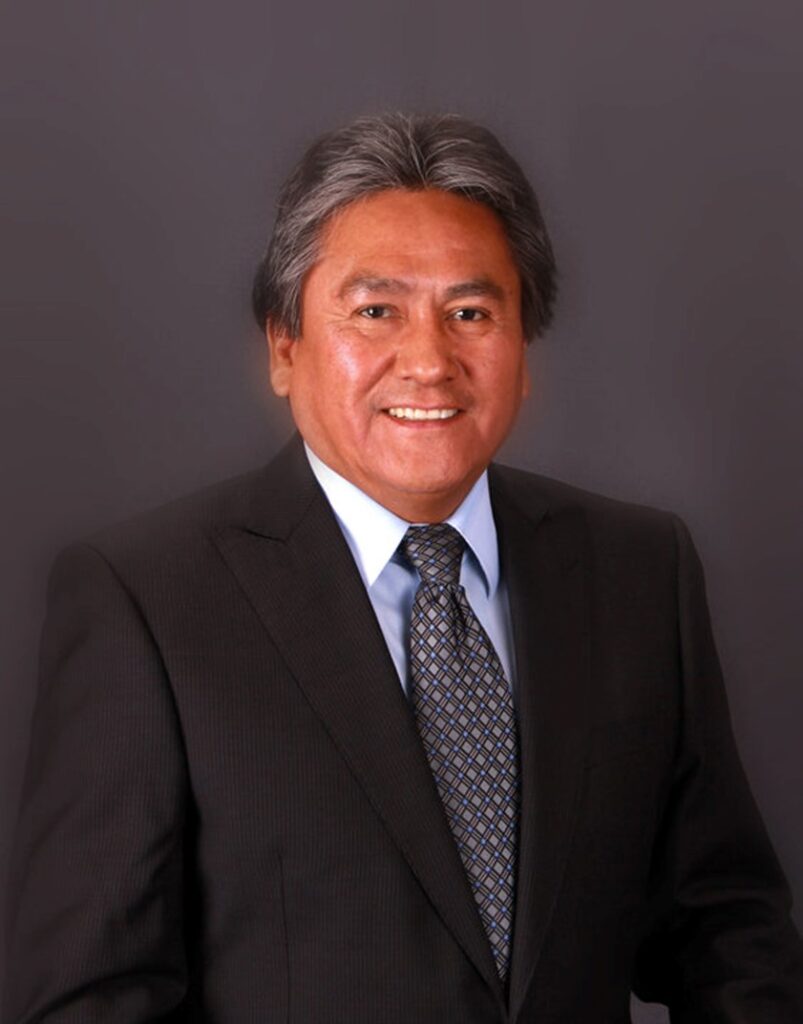
Alex Zhao – UC San Diego
Damon Clark – Office of Navajo Government Development
Triston Black – Office of Navajo Government Development
Harrison Tsosie – Office of Navajo Government Development
Institutions matter for Indigenous Nation economies but little work understands what institutions Indigenous Americans even want. Do Indigenous Americans prefer presidential or parliamentary governance, or even want democracy? This question poses the impossible task of surveying a representative sample of Indigenous Americans, therefore we begin this endeavor with the largest tribal sovereign in the US; the Navajo Nation. The general expectation is Indigenous Americans prefer communal governance which aligns well with observational research on parliamentary institutions producing long-run economic growth. However, this study also has the opportunity to investigate Indigenous federalism with the structure of the Navajo Nation and its 110 chapters. Therefore, this summer we are traveling all across the Nation to field the Navajo Comprehensive Government Reform Survey. This includes a conjoint randomizing government institutions alongside a geometric model for respondents to rank-order Navajo civic duties. While providing the Navajo Nation with citizen preferences for government reform, we also investigate diversity within the Nation to identify what social cleavages are most salient in politics. Furthermore, our experimental design allows us to investigate how perceived legitimacy and cultural congruence of institutions shape government reform preferences.
Immigrant Integration Policies in New Destination Cities
Engaged Political Theory for the Americas: Democratizing AI and Digital Platforms for Our Hemisphere
Juan Espindola – National Autonomous University of Mexico
Tom Donahue-Ochoa – Haverford College
This project seeks to advance engaged political theory from and for the Americas. The aims of engaged political theory are: to expand political theory’s global reach, by partnering with ideas, voices, and movements that have been most affected by injustices; to foster the use of engaged approaches to theorizing; to re-center “marginal” ideas and practices within political theory; and to engage broad publics. The project will address how the Global South is being remolded by new technologies. Digital platforms have transformed the world; and as artificial intelligence (AI) is added to them, they will continue to do so. The Global North has seen much debate over how these tools can spur advances in many areas while causing harm in others. But what of the South? This question has hitherto been neglected by American political theory. We think that some impacts will parallel those felt in the North. But not all; and it behooves engaged political theory to study these differences. The workshops would aim to reveal how the impacts differ from their Northern counterparts; how the South’s experiences offer new insights into those counterparts; and how these impacts reshape the plurality found within each region.
The Prevalence and Consequences of Harassment, Threats, and Violence against State Legislators, Mayors, and their Staff
Black Bureaucrats: Identity and Representation in the Public Sector
Is American national identity a panacea? The complexity of national identity, partisan animosity, and support for democratic norms
Rongbo Jin – University of Arizona
Frank Gonzalez – University of Arizona
Elizabeth Theiss-Morse – University of Nebraska–Lincoln
Affective polarization is a defining feature of contemporary American politics that has toxic political and nonpolitical consequences. However, the jury is till out on how to depolarize Americans and stimulate support for democratic norms. This project investigates the complexity of national identity and its potential effects on partisan animosity and support for democratic norms. We propose an online experiment priming different dimensions of national identity to examine the effects of each on partisan animosity and support for democratic norms. Our treatment groups will respectively prime Ethno-culturalism, Multiculturalism, American Exceptionalism, Democracy, Rule of Law, and Civic Republicanism. We hypothesize, (1) priming Ethno-culturalism, Multiculturalism, and American Exceptionalism will increase animosity and decrease support for democratic processes; (2) priming Democracy, Rule of Law, and Civic Republicanism will reduce animosity and increase support for democratic processes.
Visual Protest Movements: The Significance of Digitally Shared Images for Defying Authoritarian Regimes
Culture or Security? How Gender Trumps Geopolitics in Shaping Support for Trade with Strategic Partners
Boram Lee – London School of Economics and Political Science
Jongwoo Jeong – Washington University in St. Louis
Do people prioritize cultural considerations or geopolitical factors in determining their support for international trade with strategic partners? International relations scholars argue that countries prefer to trade with allies than with enemies due to geopolitical considerations. But we know little about how people update their attitudes on trade when they experience cultural differences with their allies. We propose and test two mechanisms – learning and priming – by which individuals shape their attitudes towards trade cooperation when there is a misalignment between geopolitical needs and cultural values. We test our theories in the context of gender norm compatibility (e.g., feminism and legalization of same-sex marriage) between the US and South Korea, conducting a survey experiment on the South Korean mass public and interviews with experts and activists. We expect to find that individuals with strong gender norms will decrease their support for trade with the US if their prior gender norms deviate from the ally’s preferred gender norms, rather than learning from the ally and updating their own gender norms. This study supports the view that low and private political issues of gender may have significant consequences on international cooperation in high politics.
The End of the Era, or the Past Long-Lasting? Impeachment of Park Geun-hye and the Authoritarian Nostalgia in South Korea
Democracy: Finding the Harmony in Discordance
Smugglers, Sovereignty and Citizenship in the Western Mediterranean
Glocalizing Climate Science: Epistemic Exclusions through Credibility Capitalism
Lithium, the Promise of Energy Transition, and Emergent “Green” Political Projects in California and Chile
Choosing the Lesser Evil: Tribal Alignment Formation in Civil Wars
Measuring LGBT rights violations
Public Opinion Dynamics around the Illegal Co-optation of Power by Narco-linked Candidates and Organizations
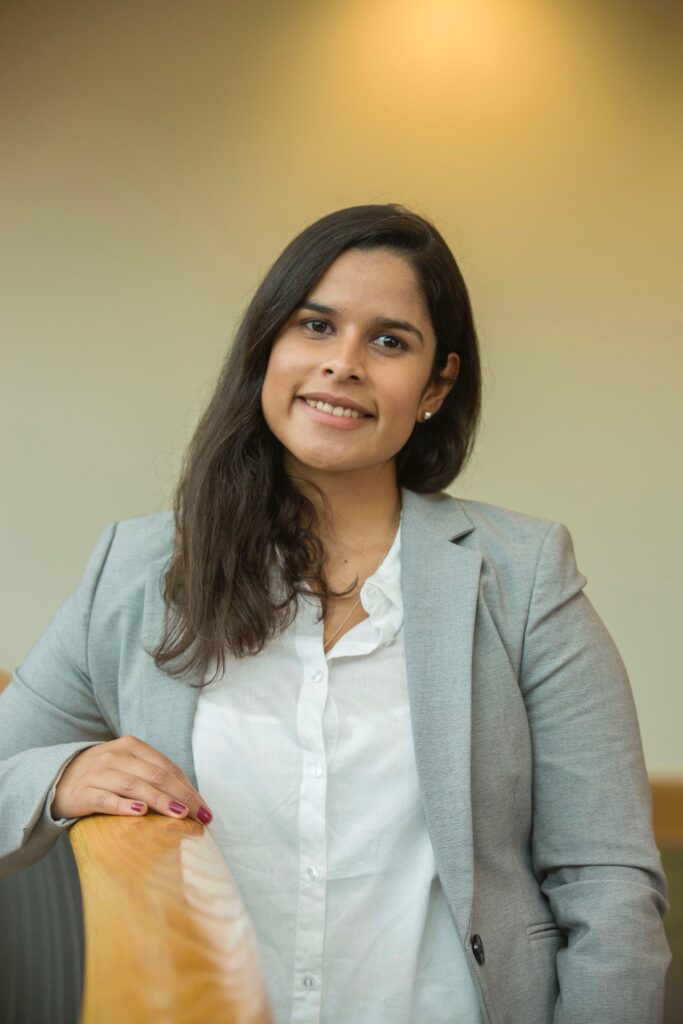
Mariana V. Ramirez Bustamante – Vanderbilt University
Across Latin America, many people live in areas with criminal governance, where their daily lives are affected by rules or codes established by criminal groups. Yet, despite the widespread presence of these extra-legal groups, we still know little about popular support for these actors and their political effects at the local level. This study addresses why citizens support candidates with links to drug trafficking. In turn, it focuses on how this illicit economy shapes citizens’ political attitudes. Drawing on theories of voting behavior and accountability, as well as studies on illicit economies, I argue that voters willingly support narco-linked candidates when they perceive that the benefits of drug trafficking organizations (DTOs) outweigh the costs. Further, these extra-legal actors can (re)define citizens’ beliefs. On the one hand, growth in illegal economic revenues from the cocaine trade increases people’s support for the local government in high drug trafficking areas, because of (illegal) economic dependence. On the other hand, since these criminal organizations need structures, clear chains of command, and secrecy to keep business as usual, I contend that living in areas of known DTOs’ presence makes citizens more accustomed to vertical authority structures, leading to lower support for democracy. I test this theory using a mixed-methods approach, with a primary focus on the Peruvian case given the comparatively low levels of narco-violence, which allows assessing nuances in political representation and popular beliefs that can arise in areas dominated by illegal actors.
Communist Colonialism and Development: Forced Labor and the Unmaking of the Soviet Legacy
Khasan Redjaboev – University of Wisconsin-Madison
The Soviet Union emancipated women in its imperial periphery through top-down cultural programs, political ideology, and progressive public goods between 1920s-1960s. The regions most affected through a fast-paced imposition of new social institutions were Central Asia, the Caucasus, and agricultural Russia and Ukraine. However, the modern-day attitudes towards women in those areas of the post-Soviet Eurasia 30 years after the collapse are not egalitarian and there is significant discrimination with gender-based violence. What explains this short-lived legacy? Using extensive archival work, I find that the Soviet Union’s emancipatory social policies in agricultural regions were led by the need for labor force. Women were allowed limited emancipation and inclusion to participate in systematically underpaid and forced labor practices. In return, the government provided police protection, legal rights, literacy schools (likbez), daycare, and reproductive access. I test my evidence causally, by estimating the average treatment effects for key pro-women public goods and attitude outcomes in cash-crop intensive and non-agricultural areas. But the repressive and non-deliberative nature of these new social institutions created a gendered and non-participatory authority. Only the most apt at forced labor mobilization and repressive enforcement were promoted, most of them and most often males. Their repressive capacity weakened as the system collapsed and a gendered backlash ensued. Without bottom up participatory and deliberative progressive politics, the costly social policy legacies of the Soviet Union were short-lived. My research contributes previously unexplored and understudied explanations to the creation and maintenance of extractive institutions, their legacy effects, and how they continue to affect state- and society-making policies to this day.
Marginalization in the Movement: The Effect of Intersectionality on Activist Leadership
Crystal Robertson – UCLA
Under what conditions does intersectionality influence the strategies of social movement leaders focused on social justice? Social identities are crucial for social movement organizations (SMO), serving as one of the strongest mobilizers for movement participants. Activists utilize group identities to recruit and retain participants (Polletta and Jasper 2001), similarly, the social identities of the movement’s leadership is important for mobilization processes. People tend to expect leaders to hold more privileged identities such as Whiteness or masculinity (Rosette, Leonardelli, and Phillips 2008; Scott and Brown 2006). While there are exceptions they tend to occur in organizations on the decline (Rosette and Livingston 2012). Between the downward trajectory of the organizations and discrimination from within (Hurwitz 2019) and outside the organization, leaders with multiple marginalized, or intersectional, identities face tremendous challenges in leading activist organizations.
I argue intersectional activists take resistance against their intersectional identity into account in their strategizing and therefore prefer more moderate tactics rather than techniques considered radical. I speculate this includes a hesitation to include intersectional political agendas into their organizing for fear of backlash. This framework identifies the concern of discriminatory resistance as a key factor in intersectional leaders’ tactical selection and assesses the potency of this factor’s influence on public opinion. Social psychology research finds that as intersectional activists’ leadership status is more fragile, they are more likely to act on behalf of the group and react more harshly when someone defies group norms (Ellemers and Jetten 2013). Given the symbiotic relationship between leaders and followers, I assess each group’s perception of public support for intersectional leadership and their freedom in emphasizing particular issues.
To test this theory I will utilize observational surveys, survey experiments, and in-depth interviews to understand intersectional leadership within social justice organizations and how these dynamics influence American political behavior. This dissertation will commence by establishing our understanding of intersectional activists’ experiences in social justice organizations. Through observational surveys of activists and in-depth interviews, I collect firsthand accounts of intersectional marginalization in activist organizations, learning what hardships these leaders face and their responses. As these leaders have high visibility roles, I turn to examine how these marginalized activists are perceived by the public.
This dissertation project offers interdisciplinary and actionable contributions to our understanding of identity and activist leadership. Oftentimes social movement analyses utilize a historic approach rather than examining contemporary movements. Furthermore, I apply a social psychology framework of leadership to assess leader and public dynamics in contemporary movements. These dissertation findings hold implications for our understanding of any distinctions in intersectional activists strategizing and improvements for such strategies.
Bringing the State Back in Community-Based Peacebuilding
Sally Sharif – Simon Fraser University
In the aftermath of civil conflict, the demobilization of armed groups and transition can, paradoxically, usher in heightened security challenges. With the turn to local peacebuilding, post-conflict interventions have increasingly emphasized the significance of “community-based” peacebuilding. Can community peacebuilding alone reduce post-conflict violence? What is the role of the state in post-conflict violence reduction? This project shows that the efficacy of community peacebuilding, characterized by collective action by ex-combatants and collaboration with civilians, hinges upon the provision of security by the state. An analysis of 12,000 ex-combatants of the Revolutionary Armed Forces of Colombia reveals that a tangible decrease in post-conflict violence is discernible exclusively in areas hosting state-recognized demobilization and reintegration camps, where ex-combatants engage in joint economic endeavors and collaborate with civilian populations. The findings indicate that ex-combatants face a reduced risk of assassination in areas characterized by concurrent community peacebuilding initiatives and state security provisions. Conversely, in the absence of state protections, community-based peacebuilding appears to correlate with an increase in post-conflict violence. The project traces the process of state-supported community peacebuilding through qualitative data from semi-structured interviews with 200 community leaders and ex-combatants. These interviews illuminate the transformative impact of state sponsorship on state-citizen relations, fostering an environment where citizens are more inclined to demand security from the state, consequently extending the presence of the state into regions previously marked by its absence.
From Divided to United: The Paradoxical Effects of Mobilizing Structural Networks
Raj Kamal Singh – University of California, Santa Barbara
Most existing theories of social movement coalitions assume some form of commonness to be necessary for coalition formation between movement actors. Moreover, studies show that when organizations within a movement are primarily concerned with distinct structural groups (e.g., race, class, caste), coalition formation is highly unlikely. Yet, coalitions between structurally divided organizations are not uncommon. To understand what conditions facilitate coalition formation within structurally divided movements, I examine a difficult case, namely the Indian farmers’ movement, which has been historically divided along caste, class, and ideological lines. Although the movement was previously fragmented, two large, diverse coalitions have emerged in the last decade. Drawing on extensive fieldwork and secondary resources, I argue that organizations’ capacity to mobilize their structural networks has a paradoxical effect on collaboration within divided movements. Specifically, while a low capacity to mobilize structural networks may make it difficult for organizations to achieve their objectives, it allows for the movement environment to become open and inclusive and creates incentives for organizations to collaborate, thereby enhancing the movement’s chance of success. Ultimately, this study highlights that in structurally divided contexts, actors are faced with a collective action dilemma: factors that increase the power of an individual organization are likely to weaken the power of the broader movement.
The Cost of (Not) Being Pale, Male, and Yale: Ambassadorial Attributes and Foreign Policy Legitimacy
Clara Suong – Virginia Tech
This proposal outlines an ongoing project on foreign policy implications of the lack of bureaucratic representativeness. I study the nature and pattern of bureaucratic representativeness (or lack thereof) among U.S. ambassadors—key agents in the implementation of U.S. foreign policy—as well as systemic racism/discrimination many of them experience. I explore the effect of ambassadors’ ascriptive attributes—such as their race, ethnicity, gender, and educational background—on the global public’s receptiveness to U.S. foreign policy. My preliminary analyses confirm a pattern of bureaucratic unrepresentativeness in 1945–1981, reflecting the U.S. State Department’s reputation of being “pale, male, and Yale”—dominated by white male diplomats educated at Ivy League schools. I intend to use the funds from the 2023 Summer Centennial Center Research Grants to extend my preliminary findings on the effect of bureaucratic unrepresentativeness temporally and geographically. Using the funds, I will field a paired pilot survey experiment in Brazil and the U.S., examining the effect of bureaucratic representation on legitimacy of U.S. foreign policy perceived by the U.S. and Brazilian publics.
Ethnicity Across Borders: The Political Mobilization Against Dalit Discrimination in the United States
Anum Syed – George Washington University
My research explores how social identities tied to a specific context become politically salient in vastly dissimilar political environments. In recent years members of the South Asian diaspora have mobilized the Dalit identity, the lowest stratum of the caste hierarchy, to secure explicit legal protections against caste-based discrimination in the United States (US). My project leverages this understudied phenomenon of Dalit activism in the US to examine how experiences of everyday discrimination politicize otherwise invisible migrant identities. I combine in-depth interviews with discourse analysis to theorize about how the invisibility of vulnerable migrant identities lowers the social and legal costs of in-group discrimination, increasing the incidence of such behaviors. This, in turn, drives vulnerable migrant minorities to develop group consciousness and demand political recognition. I further aim to test these insights using an original survey experiment. Together, these findings will shed new light on micro-level processes of identity politicization.
Legitimization by Association: The Political Consequences of Peace Talks with Rebel Representatives
Oguzhan Turkoglu – Hertie School
Negotiations are the primary mechanism for the peaceful resolution of conflict and are significant political events, attracting intense media coverage and public speculation. Whilst existing studies have focused mainly on the determinants of successful negotiations or the impact peace agreements have on post-conflict stability, there has been very limited empirical analysis of the independent impact of peace talks process, irrespective of their eventual outcome. This research seeks to address this gap by arguing that peace talks are likely to increase public support for the political wings of rebel groups, an effect brought about by two primary mechanisms: legitimization by direct government engagement and changing media coverage. We test our argument through an analysis of peace talks in Turkey. We will provide evidence in three steps. First, through a combination of granular survey data of seven years with more than 200.000 participants and election results, we will demonstrate how increases in the vote share of the political wings of rebel groups coincide with peace negotiations. Second, we will explore how media coverage of the political wing of rebel groups changes during peace negotiations by employing quantitative text analysis. Third, we will carry out a survey experiment to identify the causal effects of peace negotiations. This research opens an important new agenda in civil conflict research highlighting the strategic and political significance of peace talks irrespective of their outcome.
The Borders of Global Health Citizenship: Inclusion and Exclusion along the Dominican-Haitian Border
Lucia Vitale – University of California, Santa Cruz
This project is interested in rural healthcare access in the Global South and how an individual’s constant navigation between state and non-state health services elucidates important ways that individuals are included-in or excluded-from health services. By comparing across the national border between the Dominican Republic and Haiti, this project uses the term Health Citizenship to describe the political relationship that forms between an individual and a health service agency at the point of accessing services. Guiding questions include: What kinds of Health Citizenship does global health imagine and produce?; How does social policy define and police different types of Health Citizenship?; How do transnational and national scale definitions of Health Citizenship land locally to influence primary healthcare access? It measures health care access at three scales: the transnational, the national, and the local. Transnational and national scales are represented by elite and expert interviews in the capital cities of Port-au-Prince and Santo Domingo. They detail how individuals and groups are included in or excluded from certain health services. Local scale data collection—which triangulates between an original survey, focus groups, and interviews—show how health services designed at higher scales of governance land in the borderspace. As migration flows between Global South countries increase, social rights provision is complicated by limited state capacity and political goodwill in receiving nations. Understanding health system navigation is crucial if we are to meet SDG #3 on ensuring healthy lives at all ages, and if we are to move forward effective scholarship that recognizes the fragmented pieces of the healthcare puzzle.
Maybe in my backyard: How refugee-host cooperation promotes peace and prosperity
Rebecca Wai – University of Michigan, Ann Arbor
How does cooperation foster peace and prosperity among hosts and refugees? I examine whether strong economic community institutions contribute to peacebuilding as they provide a space for social capital and cooperation to develop between refugees and host communities. To test this, I examine the results from a 1006-person survey with an embedded vignette experiment. I explore these dynamics in the context of cooperation between host communities and refugees in farmer groups in Uganda, as cooperation most commonly emerges through agricultural livelihoods in rural areas in developing countries – where an overwhelming proportion of the world’s refugees are settled. With the survey, I test whether compared to members in homogeneous farmer groups that consist of solely refugees or hosts, refugees and hosts in mixed groups have more positive attitudes towards each other due to prolonged and consistent interactions, as well as improvements in their livelihoods through cooperation.
Currency Wars in Retreat: Global Value Chains and Exchange Rate Politics
Ryan Weldzius – Villanova University
Ryan researches the distributional consequences of economic interdependence and the constraints this places on the policies of states. The core argument of his work is that increased global value chain trade alters the policy preferences of firms, which in turn impacts policy outcomes. In his book project, Currency Wars in Retreat, he focuses on one such policy outcome: exchange rates. Whereas traditional models of exchange rate politics predict an export-dependent firm should prefer an undervalued exchange rate, Ryan argues that the benefits of this policy attenuate as firms increasingly rely on global value chains in the production of their goods. As these payoffs change, and with it the preferences of firms, so too does the exchange rate policies of states. He supports his argument with rich cross-country time-series data on global value chain trade as well as case studies in Japan, Sweden, and Taiwan. Ryan will utilize the generous funding from the Huang Hsing Chun-tu Hsueh International Fellowship Fund for his case study of Taiwan, where, in Spring 2024, he will conduct elite interviews with managers of globally-oriented firms.
Public Attitudes Towards Transnational Climate Reparations: A Survey Experiment in the United States
Muzhou Zhang – University of Essex
“Loss and damage” from climate change is distributed unequally. This issue dominates the recent climate agenda, as was the case at COP27, and exemplifies the political cleavages between the Global North and South. Being less vulnerable to climate change themselves, under what circumstances do people in the Global North become more willing, if at all, to pay for climate reparations to those affected in the Global South? Drawing from varieties of the foreign aid literature, I argue that both identity on the demand side, racial composition of the recipient country, and instrumentalism on the supply side, disincentivizing climate-induced immigration, matter. I propose to test my argument with an original vignette experiment fielded in the United States, given the country’s huge responsibility and potential in climate action and international development. I expect this project to contribute to the politics of international climate finance, the public opinion-overseas spending nexus, and, normatively, the discussion around environmental justice and reparations in general.
What Kind of Glue? Indigenous American Preferences Towards Institutions and Government Reform
Alex Zhao – UC San Diego
Damon Clark – Office of Navajo Government Development
Triston Black – Office of Navajo Government Development
Harrison Tsosie – Office of Navajo Government Development
Institutions matter for Indigenous Nation economies but little work understands what institutions Indigenous Americans even want. Do Indigenous Americans prefer presidential or parliamentary governance, or even want democracy? This question poses the impossible task of surveying a representative sample of Indigenous Americans, therefore we begin this endeavor with the largest tribal sovereign in the US; the Navajo Nation. The general expectation is Indigenous Americans prefer communal governance which aligns well with observational research on parliamentary institutions producing long-run economic growth. However, this study also has the opportunity to investigate Indigenous federalism with the structure of the Navajo Nation and its 110 chapters. Therefore, this summer we are traveling all across the Nation to field the Navajo Comprehensive Government Reform Survey. This includes a conjoint randomizing government institutions alongside a geometric model for respondents to rank-order Navajo civic duties. While providing the Navajo Nation with citizen preferences for government reform, we also investigate diversity within the Nation to identify what social cleavages are most salient in politics. Furthermore, our experimental design allows us to investigate how perceived legitimacy and cultural congruence of institutions shape government reform preferences.