Learn about the APSA 2024 Plenary Speakers and Presenters

Democracy, Retrenchment
Friday, September 6th, 10:00 a.m. to 11:30 a.m.

Hahrie Han,
Johns Hopkins University (Moderator)
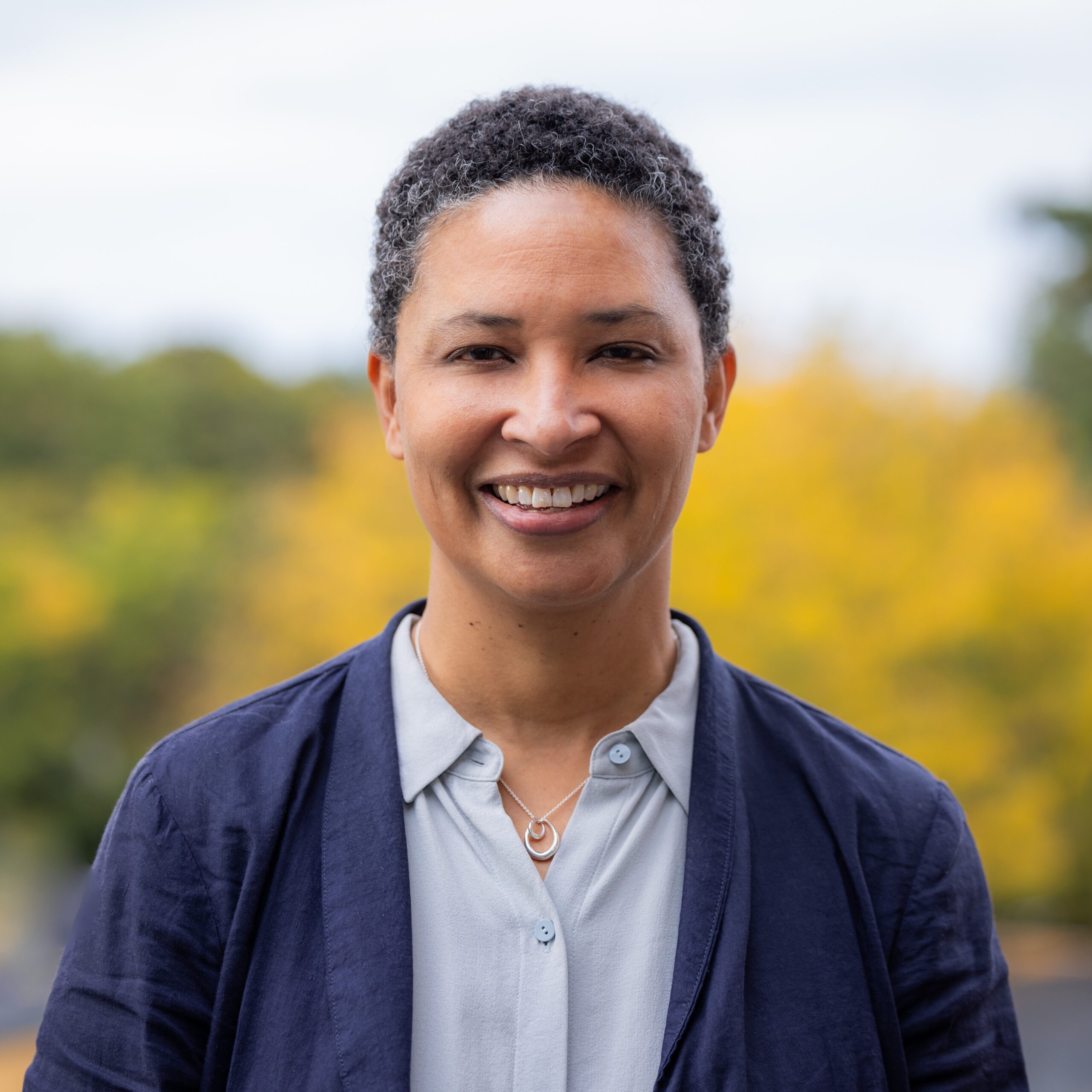
Danielle Allen,
Harvard University
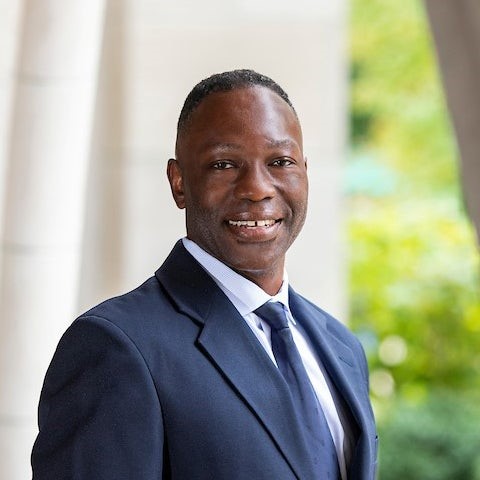
Guy-Uriel Charles,
Harvard Law School
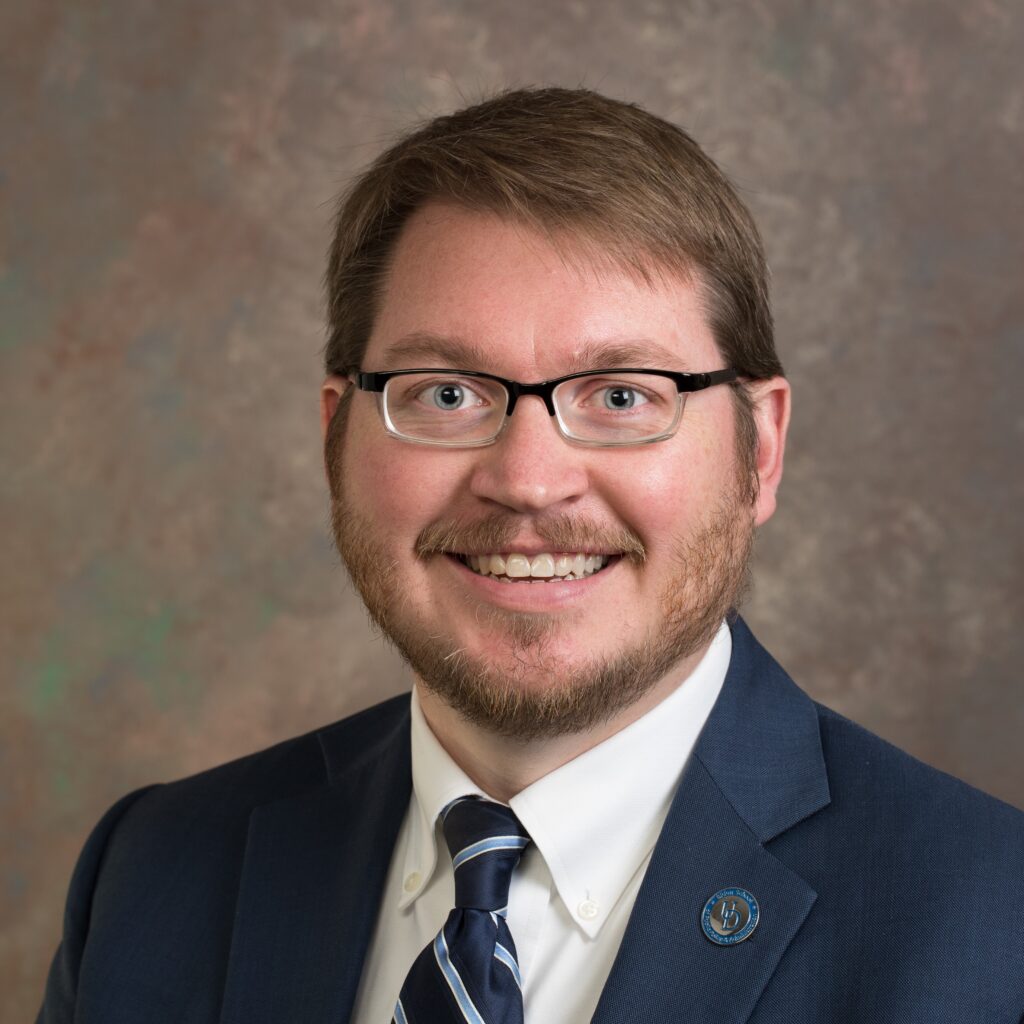
Timothy J. Shaffer,
University of Delaware
Daniel Ziblatt,
Harvard University
| Hahrie Han, Johns Hopkins University (Moderator) | |
| Danielle Allen, Harvard University | Danielle Allen is James Bryant Conant University Professor at Harvard University. She is a professor of political philosophy, ethics, and public policy and director of the Democratic Knowledge Project (a civic education provider) and of the Allen Lab for Democracy Renovation (a public policy research lab). She is also a seasoned nonprofit leader, democracy advocate, national voice on AI and tech ethics, distinguished author, and mom. A past chair of the Mellon Foundation and Pulitzer Prize Board, and former Dean of Humanities at the University of Chicago, she is a member of the American Academy of Arts and Sciences and American Philosophical Society. Her many books include the widely acclaimed Talking to Strangers: Anxieties of Citizenship Since Brown v Board of Education; Our Declaration: a reading of the Declaration of Independence in defense of equality;Cuz: The Life and Times of Michael A.; Democracy in the Time of Coronavirus; and Justice by Means of Democracy. She writes a column on constitutional democracy for the Washington Post. Outside the University, she is a co-chair for the Our Common Purpose Commission and Founder and President for Partners In Democracy, where she advocates for democracy reform to create greater voice and access in our democracy, and to drive progress towards a new social contract that serves and includes us all. |
| Guy-Uriel Charles, Harvard Law School | Guy-Uriel Charles is the Charles J. Ogletree Jr. Professor of Law at Harvard Law School and the Director of the Charles Hamilton Houston Institute for Race and Justice. He is the co-author, with Luis Fuentes-Rohwer, of a forthcoming book on voting rights tentatively entitled Race, Power, and the Architecture of American Democracy: Rethinking Voting Rights Law and Policy for a Divided America. Prior to his appointment at Harvard, he was the Edward and Ellen Schwarzman Professor of Law at Duke Law School and the co-director, with Mitu Gulati, of the Duke Law Center on Law, Race and Politics. He teaches and writes about constitutional law, election law, campaign finance, redistricting, politics, and race. In 2016, he received Distinguished Teaching Award at Duke Law School. He has published over 30 articles in journals including the Harvard Law Review, Constitutional Commentary, The Cornell Law Review, The Michigan Law Review, The Michigan Journal of Race and Law, The Georgetown Law Journal, The Journal of Politics, The California Law Review, The North Carolina Law Review, and others. He is the co-author of two leading casebooks and two edited volumes. He has been a visiting professor at Harvard, Berkeley, Georgetown, Virginia, and Columbia law schools. Professor Charles received his JD from the University of Michigan Law School and clerked for The Honorable Damon J. Keith of the United States Court of Appeals for the Sixth Circuit. While at the University of Michigan, he was among a group of students who founded the Michigan Journal of Race & Law and he served as the Journal’s first editor-in-chief. From 1995-2000, he was a graduate student in political science at the University of Michigan. He is a past member of the National Research Commission on Elections and Voting and the Century Foundation Working Group on Election Reform. Professor Charles also taught at the University of Minnesota Law School from 2000-2009 where he also held the Russell M. and Elizabeth M. Bennett Professor of Law. From 2006-2008, he served as the interim co-dean at the University of Minnesota Law School. At Minnesota, he was named the Stanley V. Kinyon Teacher of the Year for 2002-2003. |
| Timothy J. Shaffer, University of Delaware | Dr. Timothy J. Shaffer is the Stavros Niarchos Foundation (SNF) Chair of Civil Discourse and director of the SNF Ithaca Initiative in the Joseph R. Biden, Jr. School of Public Policy and Administration at the University of Delaware. He is also director of civic engagement and deliberative democracy with the National Institute for Civil Discourse at the University of Arizona. Shaffer is author or coeditor of seven books including Deliberative Pedagogy: Teaching and Learning for Democratic Engagement, Creating Space for Democracy: A Primer on Dialogue and Deliberation in Higher Education, and the latest book, Teaching Public Affairs Students to Serve With the People: Findings and Reflections from Diverse Course Designs with Thomas Andrew Bryer from Routledge. He earned his PhD from Cornell University. |
| Daniel Ziblatt, Harvard University |
Democracy, Renovation and Reimagination
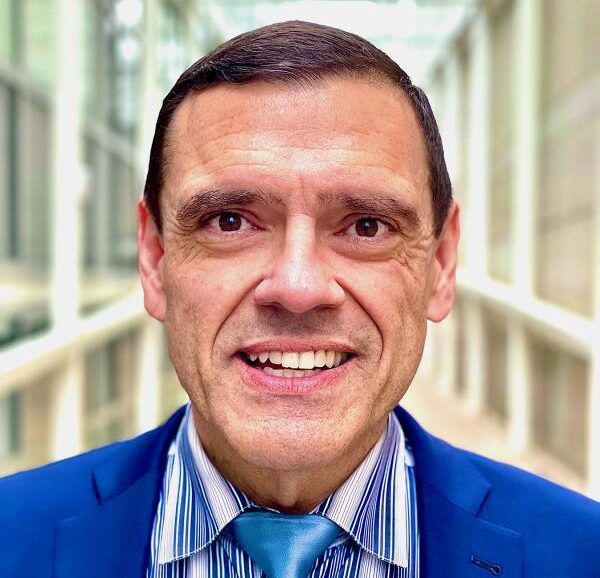
Michael Neblo,
The Ohio State University (Moderator)
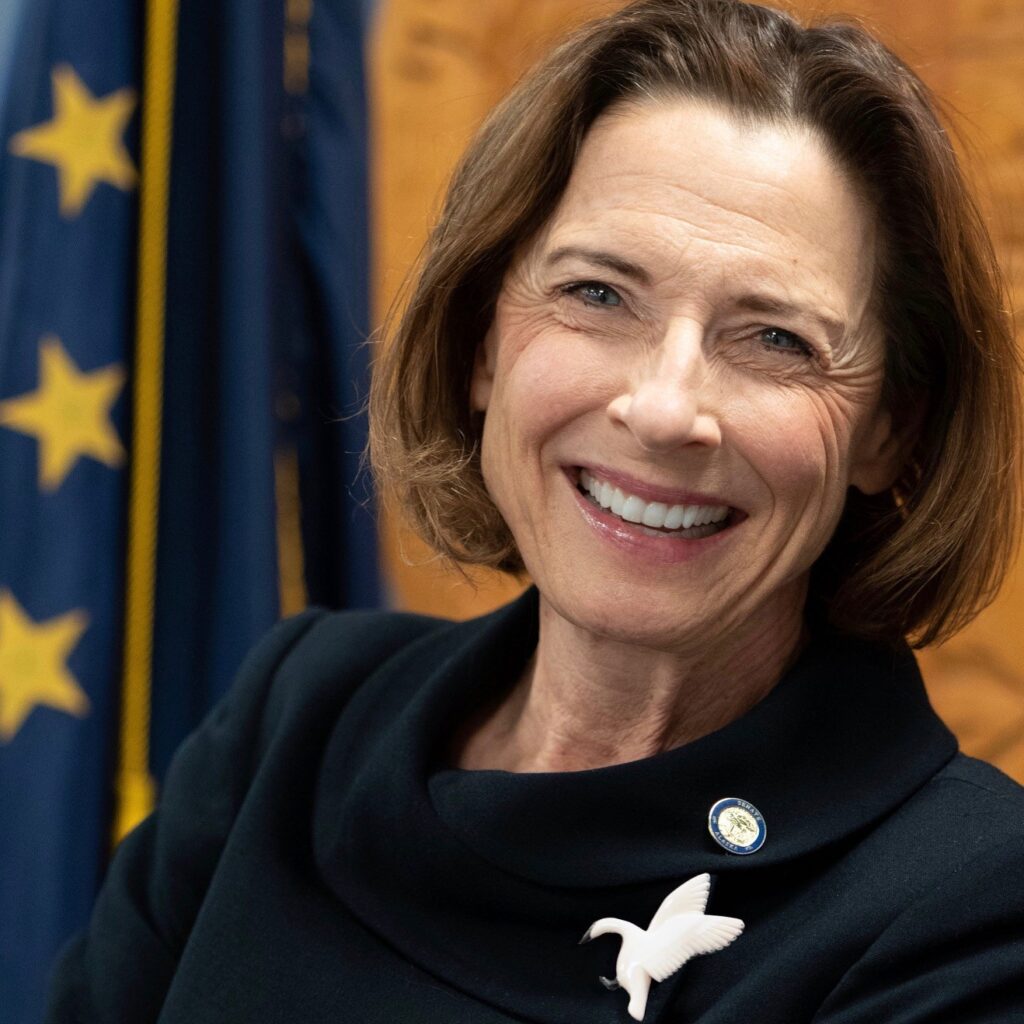
Senator Cathy Giessel, (R-Alaska)

Nolan McCarty, Princeton University

Spencer Overton, George Washington University

Meredith Sumpter, President and CEO of FairVote
| Michael Neblo, The Ohio State University (Moderator) | Michael Neblo is the Alumni Endowed Professor of Political Science, Philosophy, Communication, and Public Affairs at Ohio State University, where he directs the Institute for Democratic Engagement and Accountability (IDEA). He studied Philosophy and Mathematical Methods in the Social Sciences at Northwestern University before completing his PhD in Political Science at the University of Chicago. He has published two books and numerous articles on various topics, especially deliberative democracy and political psychology. His research on democratic innovation has won awards for community-engaged scholarship as well as distinguished teaching, advising, and research. Neblo has testified before and collaborated with legislatures in the US, N. Ireland, Chile, Australia, Nigeria, the UK, the EU, and beyond to develop a new form of citizen consultation called Deliberative Town Halls. |
| Senator Cathy Giessel, (R-Alaska) | Senator Cathy Giessel is the current Alaskan State Senate Majority Leader. She has served in the State Senate from 2011 through 2020 and from 2023 to the present. Senator Giessel was the Senate President in 2019-2020 and is currently serving as the State Senate Majority Leader as part of the Bipartisan Majority Coalition. Her focus while in office has been on state resource development, health topics, arctic issues, budget and defined benefit pension. Senator Giessel was born and raised in Fairbanks, Alaska. She holds a BSN from the University of Michigan, Ann Arbor and a MSN from the University of Alaska, Anchorage. Prior to joining the Alaskan State Senate, she worked as a nurse practitioner. |
| Nolan McCarty, Princeton University | Nolan McCarty is the Susan Dod Brown Professor of Politics and Public Affairs and Vice Dean for Academic Assessment in the Office of the Dean of the Faculty. He served as the chair of Princeton Politics Department from 2011-2018. He has written on a variety of topics related U.S. politics and political economy ranging from the causes and consequences of political polarization, economic and politic inequality, regulation, and the political role of business. He has also engaged in the development of statistical methodologies and the application of game theoretic models to political questions. He has authored or co-authored four books: Political Game Theory (2006, with Adam Meirowitz), Polarized America: The Dance of Ideology and Unequal Riches (2016 second edition with Keith Poole and Howard Rosenthal), Political Bubbles: Financial Crises and the Failure of American Democracy (2013 with Keith Poole and Howard Rosenthal) and Polarization: What Everyone Needs to Know (2019). With Frances Lee, he co-edited Can American Govern Itself? (2019) In 2010, he was elected a fellow of the American Academy of Arts and Sciences. He earned his A.B. in Economics from the University of Chicago and his PhD in Political Economy from Carnegie Mellon University. |
| Spencer Overton, George Washington University | Spencer Overton is the Patricia Roberts Harris Research Professor of Law at George Washington University. He is also the faculty director of GW Law School’s Multiracial Democracy Project, which is currently researching: 1) potential harms and opportunities to racially-inclusive democracy posed by artificial intelligence; and 2) the racial implications of alternative election systems in the event future U.S. Supreme Court decisions scale back voting rights protections in ways that diminish representation for communities of color. Professor Overton served in senior democracy policy positions on the 2008 Obama presidential campaign, transition team, and in the Obama Administration. He also served for nine years as president of the Joint Center for Political and Economic Studies—America’s Black think tank. His work on national election reform commissions resulted in Iowa restoring voting rights to over 80,000 returning citizens and Democrats moving diverse states like South Carolina and Nevada to the beginning of their presidential primary process. Overton practiced law at Debevoise & Plimpton, clerked for U.S. Court of Appeals Judge Damon Keith, and graduated with honors from both Hampton University and Harvard Law School. |
| Meredith Sumpter, President and CEO of FairVote | Meredith Sumpter is an executive leader and builder of innovative organizations and movements that drive value for people. As President and CEO of FairVote, Meredith is working to advance a more functional and representative democracy that delivers for every American. FairVote is a nonpartisan organization that researches and advances ranked choice voting (RCV). RCV gives voters the option to rank candidates in order of preference when they vote. RCV is the election reform that produces a majority winning candidate, resulting in more competitive elections, greater voter say in who represents them, better representation, and more focus on the issues rather than on mudslinging with candidates focused on building broad support among voters to win and stay in power. Previously, Meredith was CEO & President of the Board of the Council for Inclusive Capitalism, a global community of CEOs committing their organizations to actions that demonstrate value creation with sustainable and inclusive business practices. The Council expanded from 25 to 570+ corporate and investor CEOs during her tenure, taking 780+ measurable actions tied to the UN SDGs. She was CEO of the separate Coalition for Inclusive Capitalism, which convened leaders across private, public, and civic sectors to launch market-relevant reforms. Bringing people together to solve problems and expand opportunity is a central theme in Meredith’s work. She has held an advisory position at New America and Harvard University, where Meredith convened public sector leaders with national research experts on innovative reforms to advance democratic resilience including with AI and governance, health equity, social justice, and economic opportunity. Formerly, Meredith was Head of Research & Strategy at Eurasia Group, a global geopolitical advisory firm. She advised industry leaders and investors on global politics and 21st century drivers of trade, disruption, and growth. Her 20+ years of experience in business, strategy, policy, and analysis spans multiple sectors and regions. Meredith has worked in the US Senate and as a US diplomat and government official in Beijing, where she advised two US ambassadors and analyzed politics, economics, and security issues for policymakers. Originally from Alaska and now residing in Virginia, Meredith enjoys a rich life parenting four children with her husband Ryan. |
Breaking News Panel: AI and Democracy

Rob Reich,
Stanford University (Moderator)
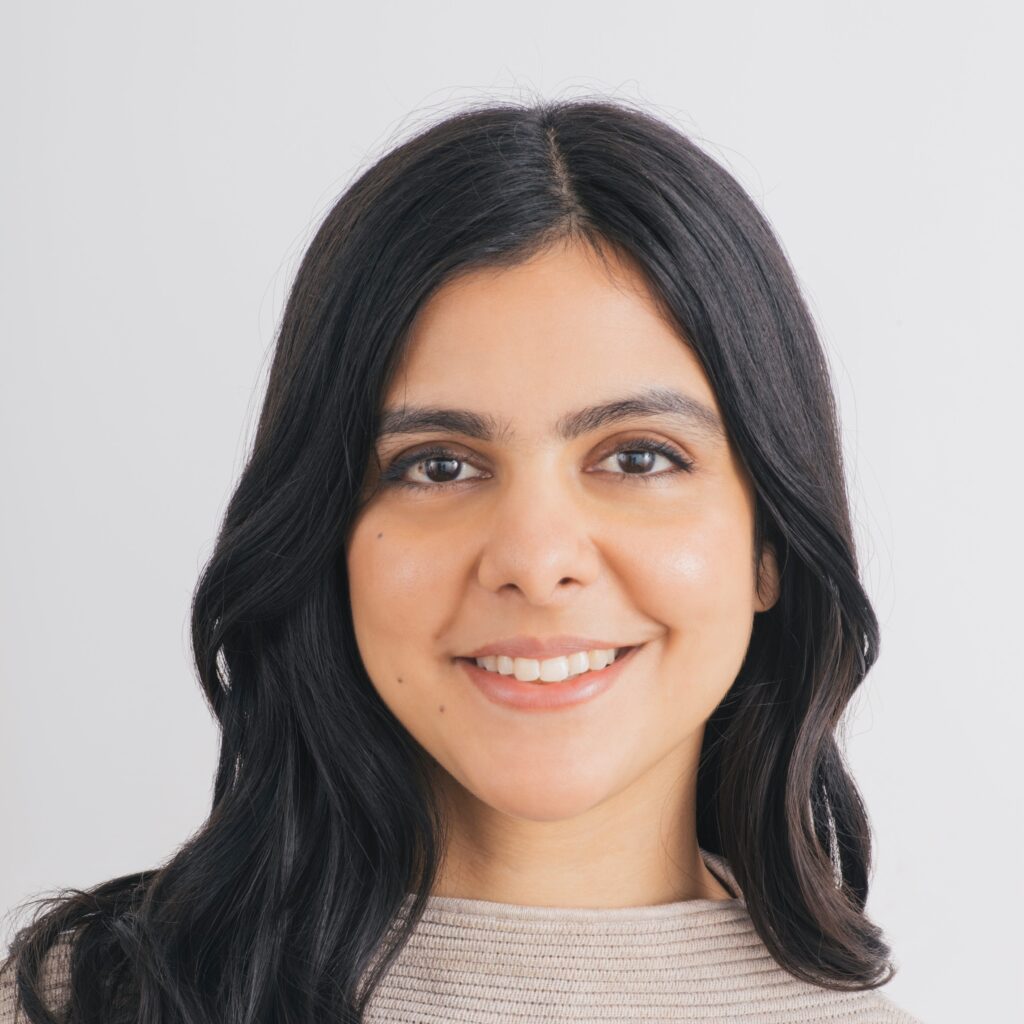
Amba Kak,
AI Now Institute
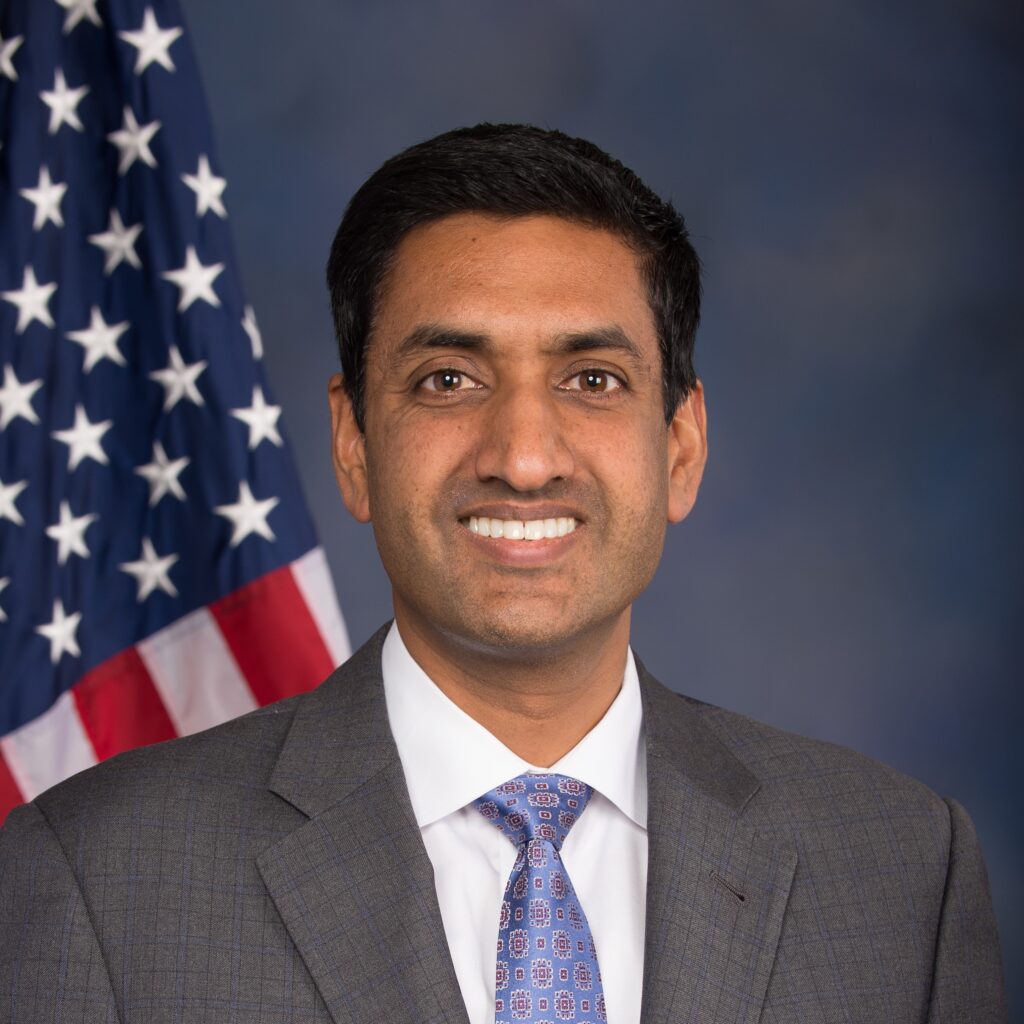
Representative Ro Khanna, (D-California)
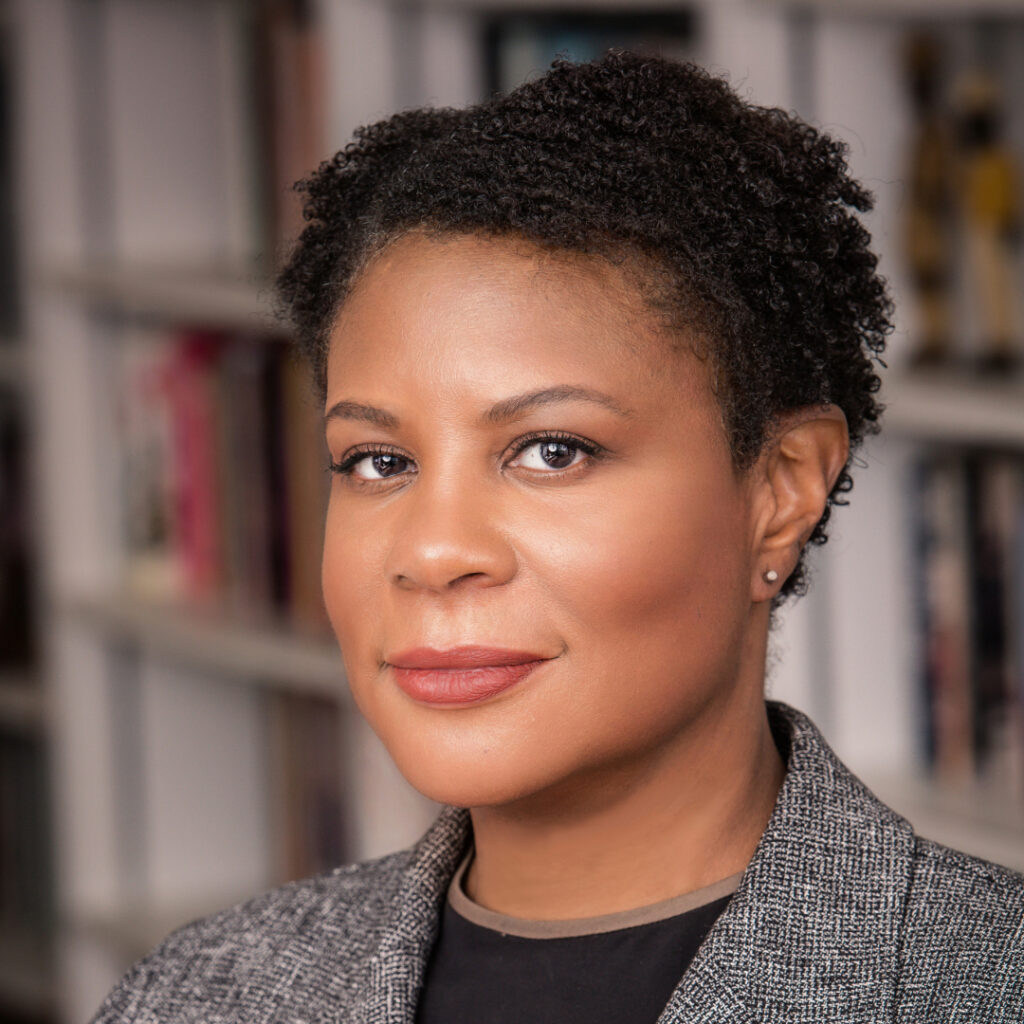
Alondra Nelson, Institute for Advanced Study
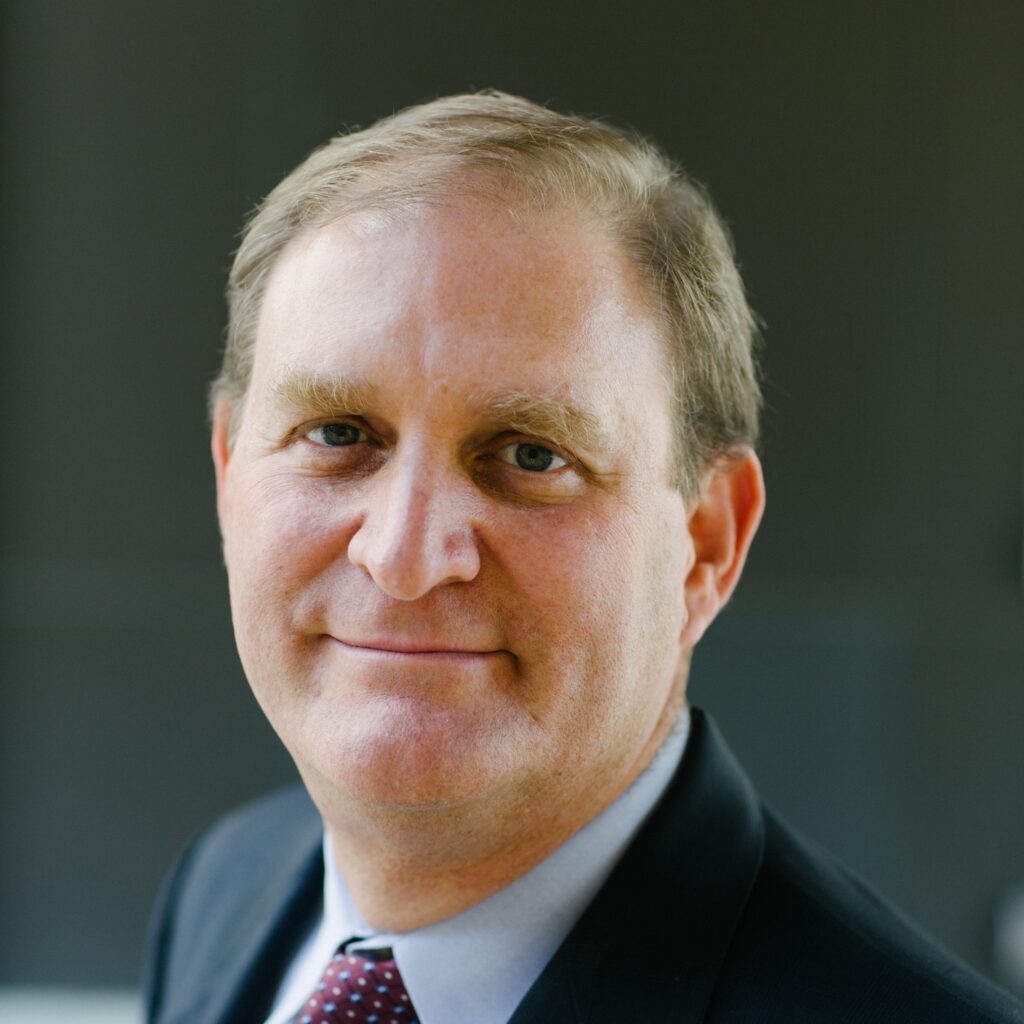
Nate Persily,
Stanford University
| Rob Reich, Stanford University (Moderator) | Rob Reich is the McGregor-Girand Professor of Social Ethics of Science and Technology at Stanford University. In 2024, Rob is on public service leave as Senior Advisor to the United States Artificial Intelligence Safety Institute. At Stanford, his home appointment is in the Department of Political Science, and he has courtesy appointments in Philosophy, the Graduate School of Education, and the Freeman Spogli Institute for International Studies. He is senior fellow at the Institute for Human Centered Artificial Intelligence, co-director of the Center on Philanthropy and Civil Society (publisher of the Stanford Social Innovation Review), and director of the Ethics, Society, and Technology Initiatives at the Center for Ethics in Society. He is the author of Just Giving: Why Philanthropy is Failing Democracy and How It Can Do Better and co-author of System Error: Where Big Tech When Wrong and How We Can Reboot |
| Amba Kak, AI Now Institute | Amba Kak is a leading technology policy strategist and researcher with over a decade of experience working in multiple regions and in roles across government, academia, and the nonprofit sector. Amba serves as Executive Director of AI Now. Previously, Amba was Senior Advisor on AI at the Federal Trade Commission. She served as Global Policy Advisor at Mozilla. She also served on the Board of Directors for the Signal Foundation and the Program Committee for the Board of Directors for the Mozilla Foundation. |
| Representative Ro Khanna, (D-California) | Congressman Ro Khanna represents California’s 17th Congressional District, located in the heart of Silicon Valley, and is serving his fourth term. Rep. Khanna serves on the House Armed Services Committee as ranking member of the Subcommittee on Cyber, Innovative Technologies and Information Systems (CITI), as co-chair of the Congressional Caucus on India and Indian Americans, a member of the Select Committee on the Strategic Competition between the United States and the Chinese Communist Party, and on the Oversight and Accountability Committee, where he previously chaired the Environmental Subcommittee. As a leading progressive in the House, Rep, Khanna is working to restore American manufacturing and technology leadership, improve the lives of working people, and advance U.S. leadership on climate, human rights, and diplomacy around the world. |
| Alondra Nelson, Institute for Advanced Study | Alondra Nelson is the Harold F. Linder Professor of Social Science at the Institute for Advanced Study, where she leads the Science, Technology, and Social Values Lab. From 2021-2023, she served as deputy assistant to President Joe Biden and acting director of the White House Office of Science and Technology Policy (OSTP). At OSTP, she was architect of the White House’s landmark “Blueprint for an AI Bill of Rights,” a cornerstone of President Biden’s Executive Order on the Safe, Secure, and Trustworthy Development and Use of Artificial Intelligence. She is a member of the United Nations High-Level Advisory Board on Artificial Intelligence and was named to the inaugural TIME100 list of the most influential people in the field of AI and to the Nature 10 list of people who shaped science. Nelson is also a distinguished senior fellow at the Center for American Progress, and as a science and technology policy adviser, she provides guidance to local, state, and federal governments, legislators, multilateral organizations, and others. She is the author of award-winning books including The Social Life of DNA, and her essays, reviews, and commentary have been featured in The New York Times, The Washington Post, The Wall Street Journal, Foreign Affairs, Wired and Science. Nelson is an elected member of the American Academy of Arts and Sciences, the American Association for the Advancement of Science, the American Philosophical Society, the Council on Foreign Relations, and the National Academy of Medicine. |
| Nate Persily, Stanford University | Nate Persily is the James B. McClatchy Professor of Law at Stanford Law School, with appointments in the departments of Political Science, Communication, and the Freeman Spogli Institute of International Studies. He is the Founding Co-Director of the Stanford Cyber Policy Center and its Program on Democracy and the Internet, as well as the Stanford-MIT Healthy Elections Project. Professor Persily’s scholarship and legal practice address issues such as voting rights, political parties, campaign finance, redistricting, and election administration – all topics covered in his coauthored election law casebook, The Law of Democracy (Foundation Press, 6th ed., 2020), with Samuel Issacharoff, Pamela Karlan, Richard Pildes and Franita Tolson. He has served as a special master or court-appointed expert to craft congressional or legislative districting plans for Georgia, Maryland, Connecticut, New Hampshire, New York, North Carolina, and Pennsylvania. He also served as the Senior Research Director for the Presidential Commission on Election Administration. His current work, for which he has been honored as a Guggenheim Fellow, Andrew Carnegie Fellow, and a Fellow at the Center for Advanced Study in the Behavioral Sciences, examines the impact of social media and artificial intelligence on political communication, campaigns, and elections. His most recent book is a coedited volume with Joshua Tucker, Social Media and Democracy: The State of the Field and Prospects for Reform (Cambridge Press, 2020). Professor Persily is a member of the American Academy of Arts and Sciences, and served as a commissioner on the Kofi Annan Commission on Elections and Democracy in the Digital Age. He received a B.A. and M.A. in political science from Yale (1992); a J.D. from Stanford (1998) where he was President of the Stanford Law Review, and a Ph.D. in political science from U.C. Berkeley in 2002. |
Breaking News Panel: Future of Political Parties
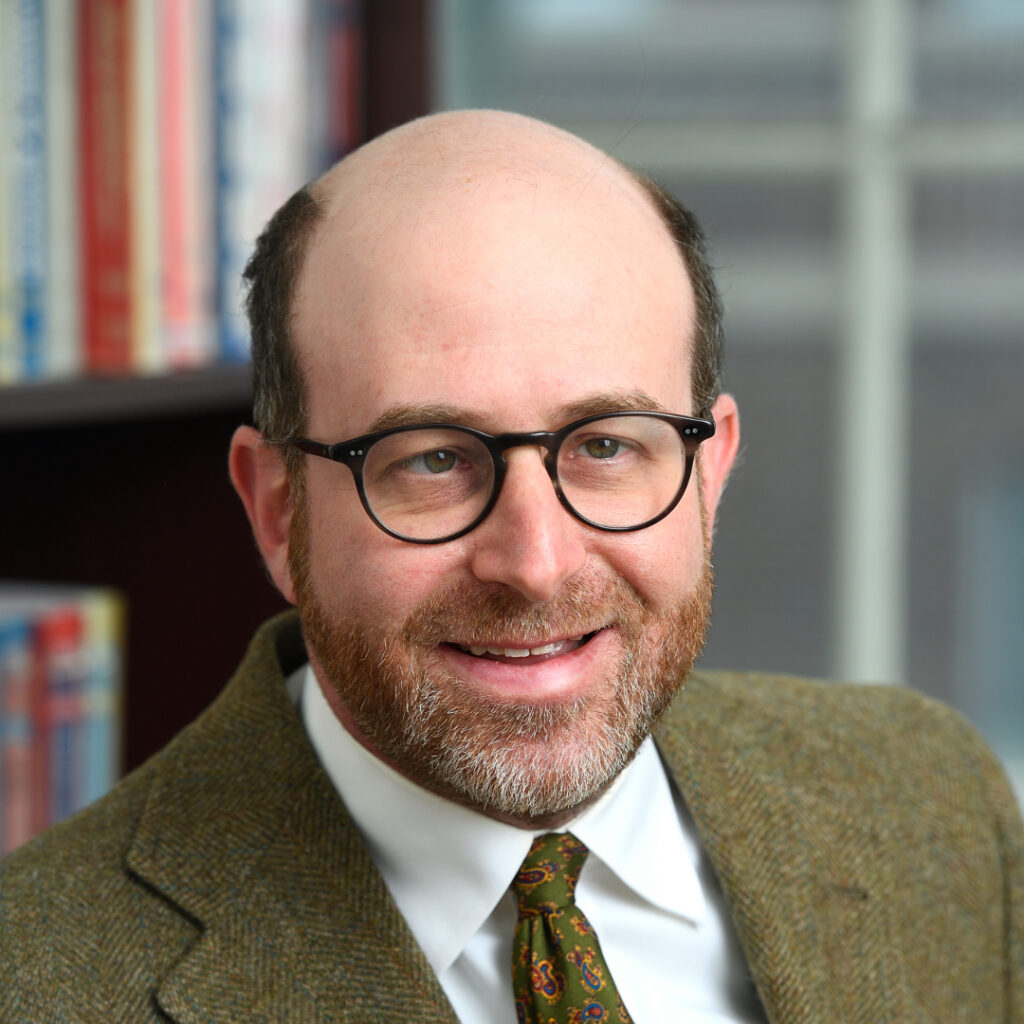
Daniel Schlozman,
Johns Hopkins University

Sohrab Ahmari,
Compact
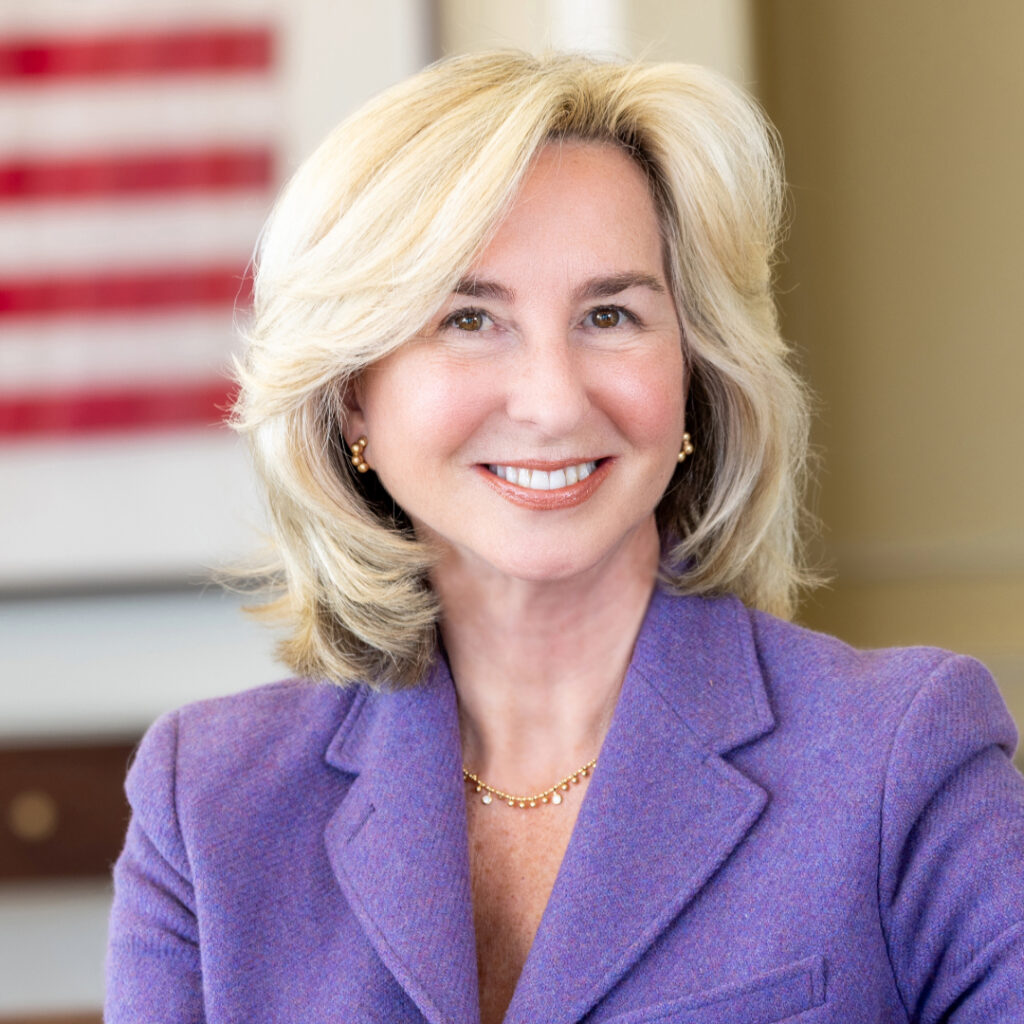
Kerry Healy,
Forward Party
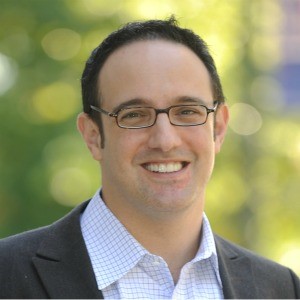
David Lublin,
American University
Lilliana Mason,
Johns Hopkins University
| Daniel Schlozman, Johns Hopkins University | Daniel Schlozman (Moderator) is Joseph and Bertha Bernstein Associate Professor of Political Science at Johns Hopkins University. He the coauthor, with Sam Rosenfeld, of The Hollow Parties: The Many Pasts and Disordered Present of American Party Politics (Princeton University Press, 2024); and the author of When Movements Anchor Parties: Electoral Alignments in American History (Princeton University Press, 2015). |
| Sohrab Ahmari, Compact | Sohrab Ahmari is a founder and editor of Compact and writes the “American Affairs” column for The New Statesman. Previously, he spent nearly a decade at News Corp., as op-ed editor of the New York Post and as a columnist and editor with the Wall Street Journal opinion pages in New York and London. In addition to those publications, his writing has appeared in The New York Times, The Washington Post, The New Republic, The Atlantic, The Spectator, Chronicle of Higher Education, Times Literary Supplement, Commentary, and Dissent, among many others. Ahmari’s books include Tyranny, Inc.: How Private Power Crushed American Liberty — and What To Do About It (2023) and The Unbroken Thread: Discovering the Wisdom of Tradition in an Age of Chaos (2021), both published by Penguin Random House. |
| Kerry Healey, Forward Party | Dr. Kerry Murphy Healey is the Executive Chair of the Forward Party, a national grassroots movement to coalesce and empower independent voters to support collaborative and innovative solutions to America’s most pressing issues. She also currently cochairs the Council for Responsible Social Media (CRSM) with former House Leader Dick Gephardt. She was a Lecturer at the School of Public and International Affairs at Princeton University for the spring 2023-2024 semester. From 2019-2022, Healey was the inaugural president of the Milken Center for Advancing the American Dream in Washington, DC. In July 2019, she capped six years as the first woman president of Babson College, the 100-year- old business school consistently ranked as the country’s leading institution in entrepreneurship education. In 2021, she was elected President Emerita of Babson College. From 2003-2007, Healey served as the 70th Lieutenant Governor of Massachusetts, where she led bipartisan efforts to improve services for the homeless and returning citizens, founded three Recovery High Schools, and increased protections for victims of child abuse, drunk driving accidents, and sexual and domestic violence. Dr. Healey has been a fellow at the Harvard Kennedy School of Government’s Institute of Politics and Center for Public Leadership, and currently is a member of the International Council of the Harvard Belfer Center for Science and International Affairs. She also serves as a non- executive independent director of Apollo Global Management (NYSE:APO), chairing their Sustainability and Corporate Responsibility Committee, and Martí Technologies (NYSE:MRT), chairing Governance. She holds an AB in government from Harvard College and a PhD in political science and law from Trinity College, Dublin. She is a member of the Council on Foreign Relations, the Executive Committee of the Trilateral Commission and is a trustee of the American University of Afghanistan, the American University of Bahrain, Western Governor’s University and was a founder of the first co-educational business school in Saudi Arabia. |
| David Lublin, American University | David Lublin is Professor and Chair of the Department of Government in the School of Public Affairs at American University. He was Co-Chair of APSA’s Task Force on Political Parties and APSA’s Task Force on Election Assistance. The recipient of three National Science Foundation grants and a fellowship from the German Marshall Fund, David’s most recent book, Minority Rules: Electoral Systems, Decentralization, and Ethnoregional Parties, was published by Oxford and won the Best Book Award from the Race, Ethnicity and Politics Section of the APSA. Previously, he authored two books, The Paradox of Representation: Racial Gerrymandering and Minority Interests in Congress and The Republican South: Democratization and Partisan Change, on American politics published by Princeton. David has published articles on American and Comparative politics in a variety of journals, including the American Political Science Review, American Journal of Political Science, Journal of Politics, British Journal of Political Science, and Stanford Law Review. |
| Lilliana Mason, Johns Hopkins University |
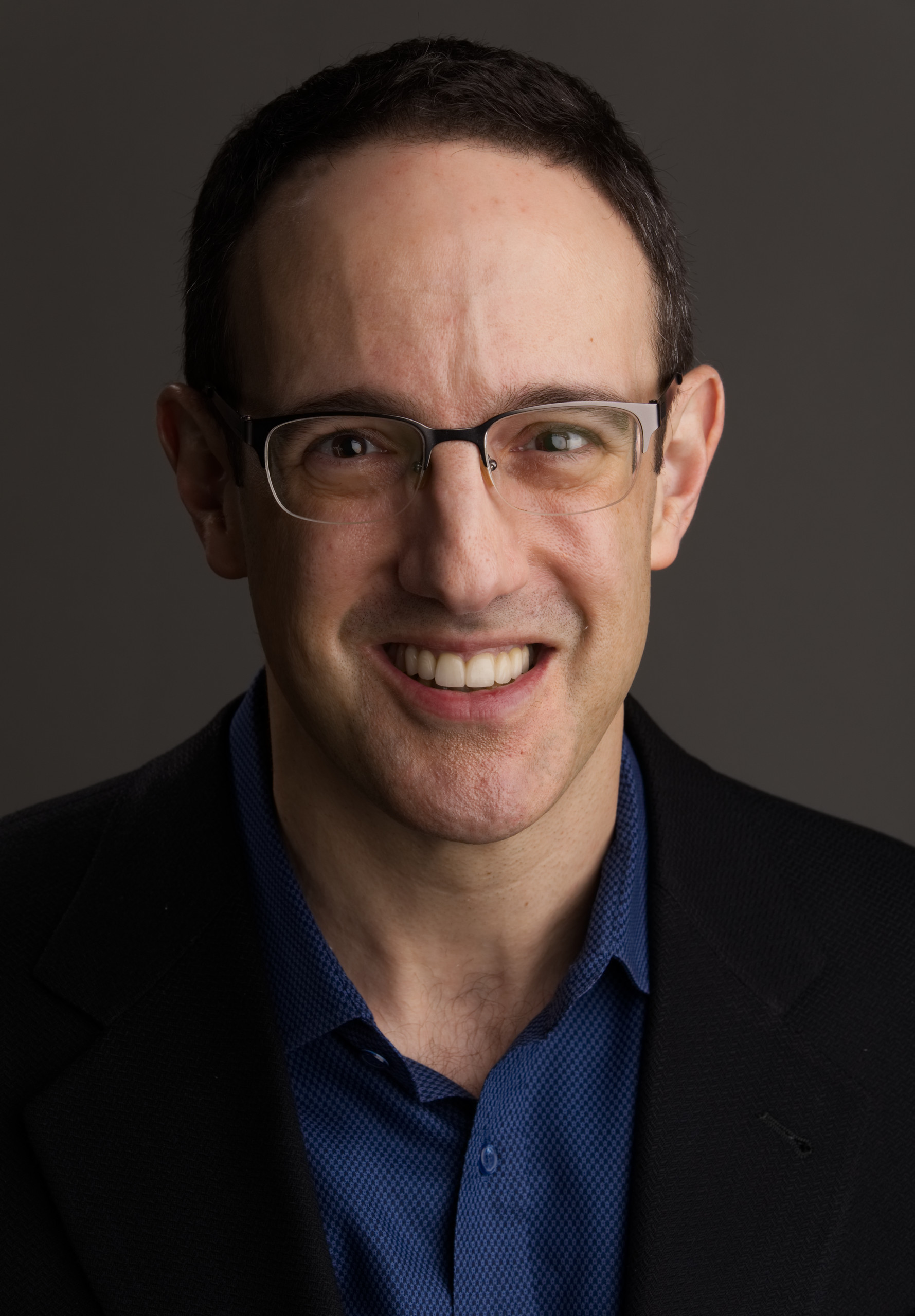
Breaking News Panel: Implications of the Israel-Gaza Crisis for the Middle East and Beyond
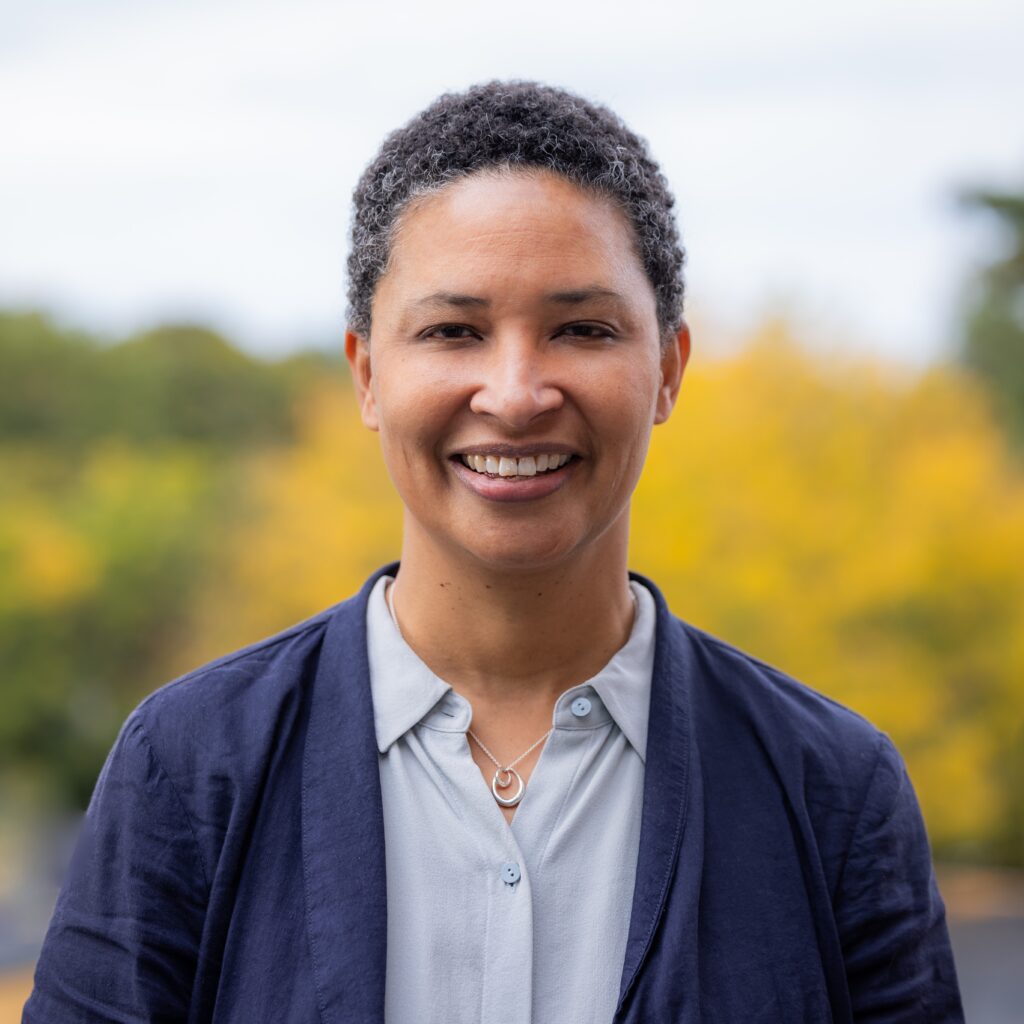
Danielle Allen,
Harvard University
(Moderator)
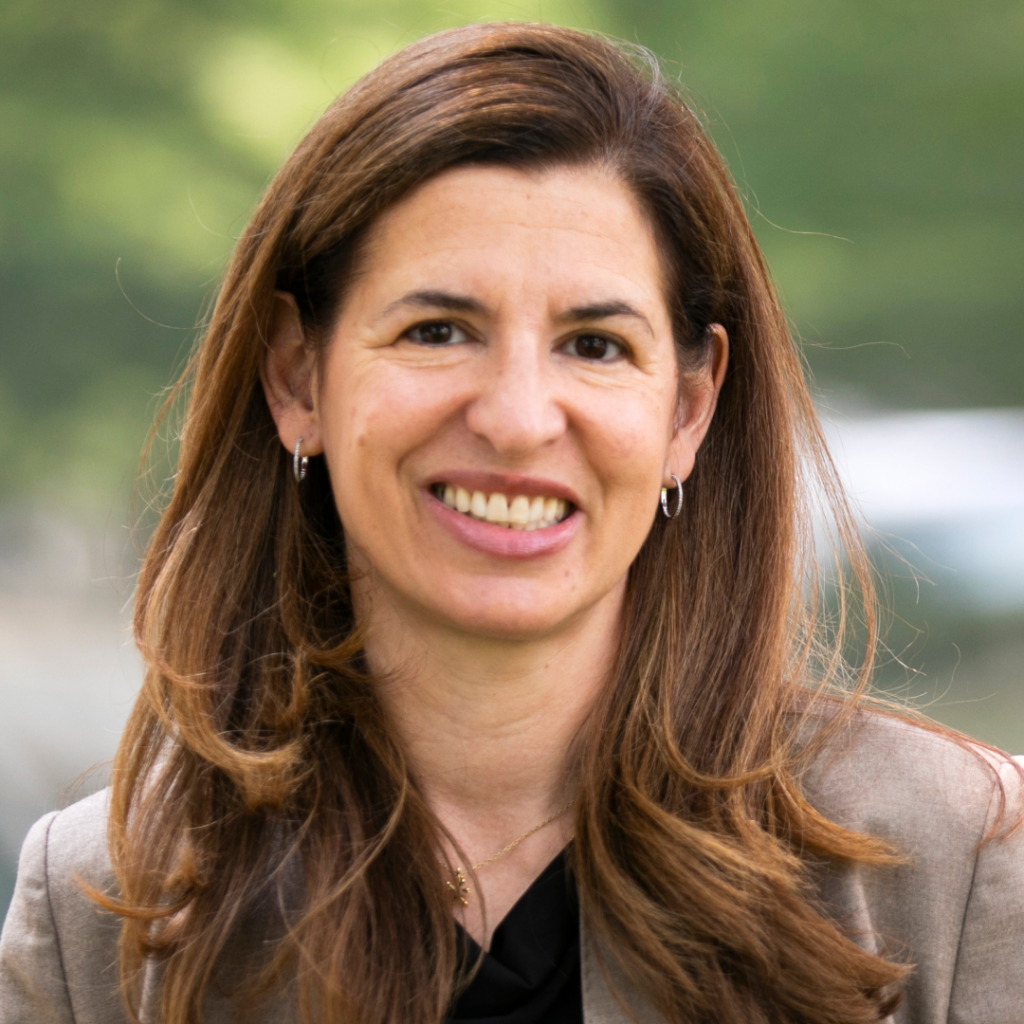
Melani Cammett,
Harvard University
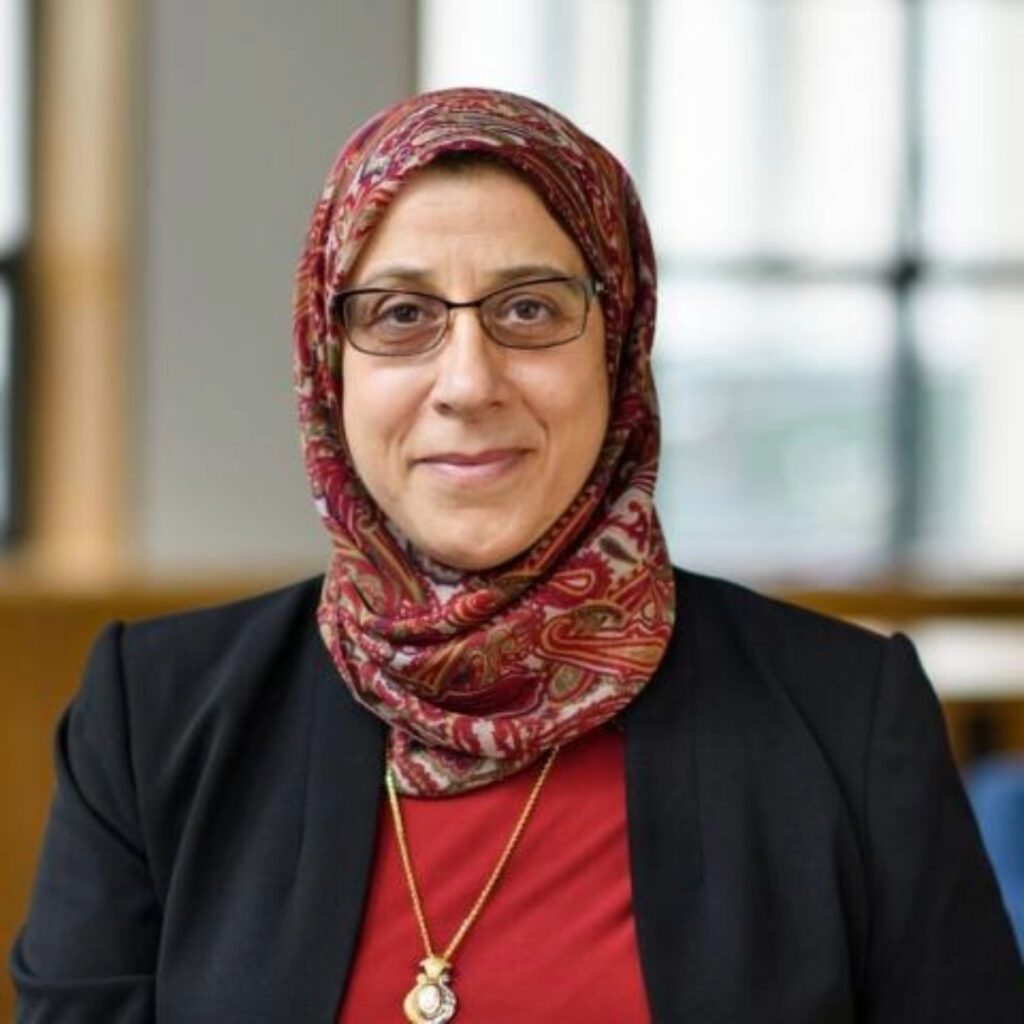
Amaney A. Jamal,
Princeton University
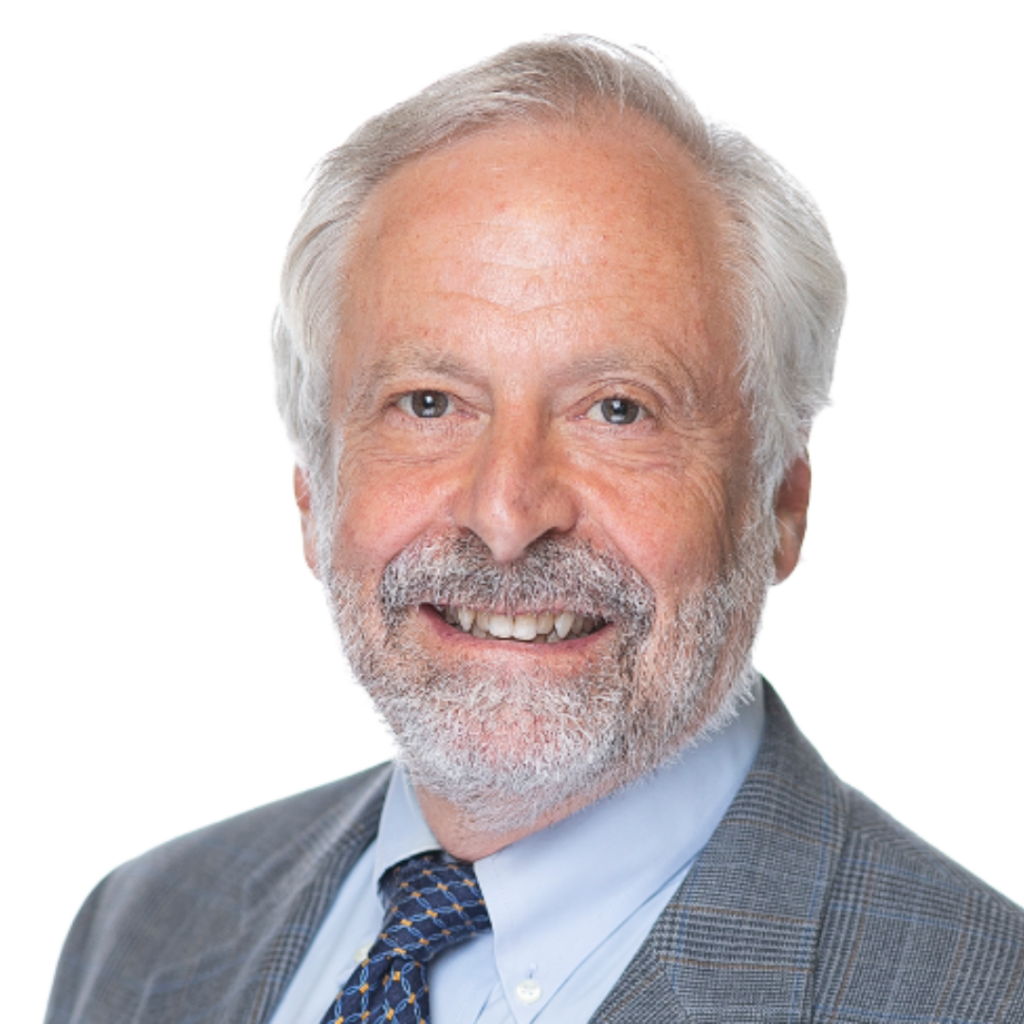
Ian Lustick,
University of Pennsylvania
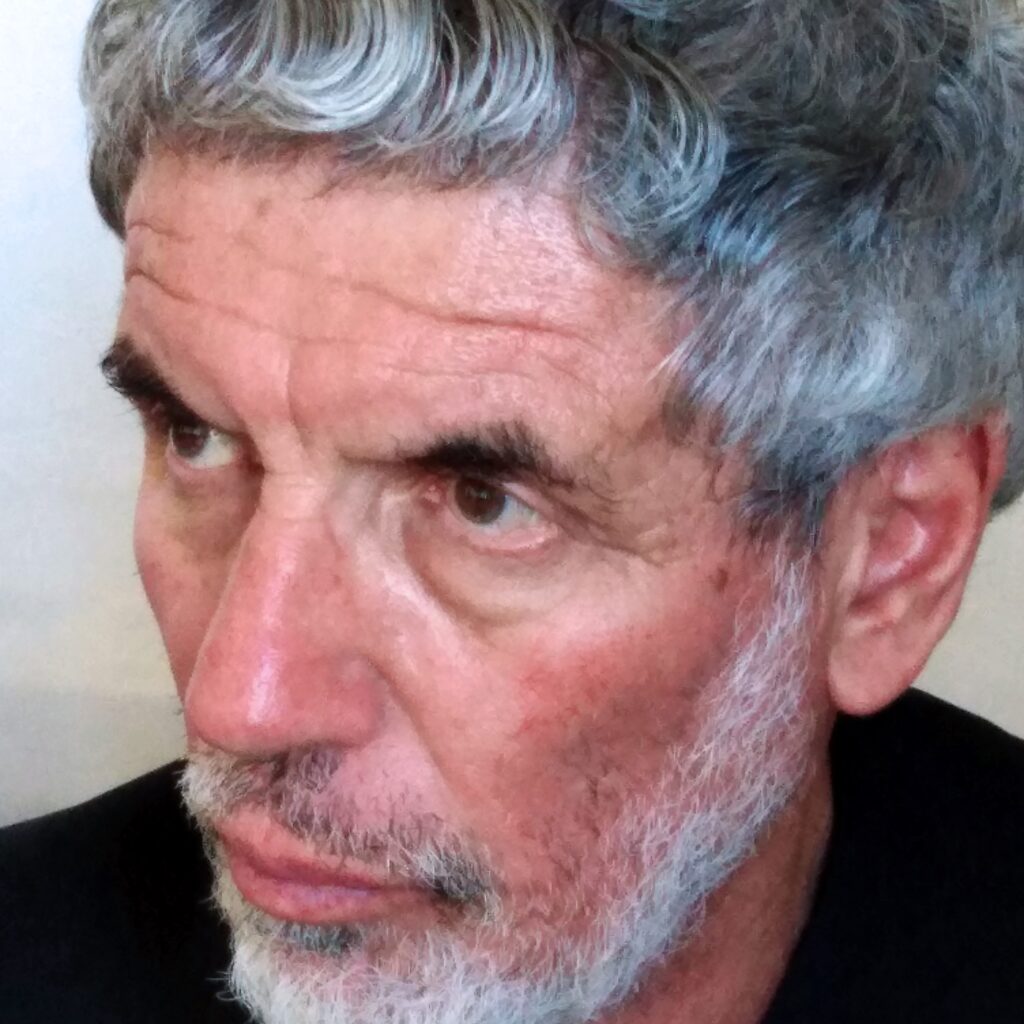
Yoav Peled,
Tel Aviv University
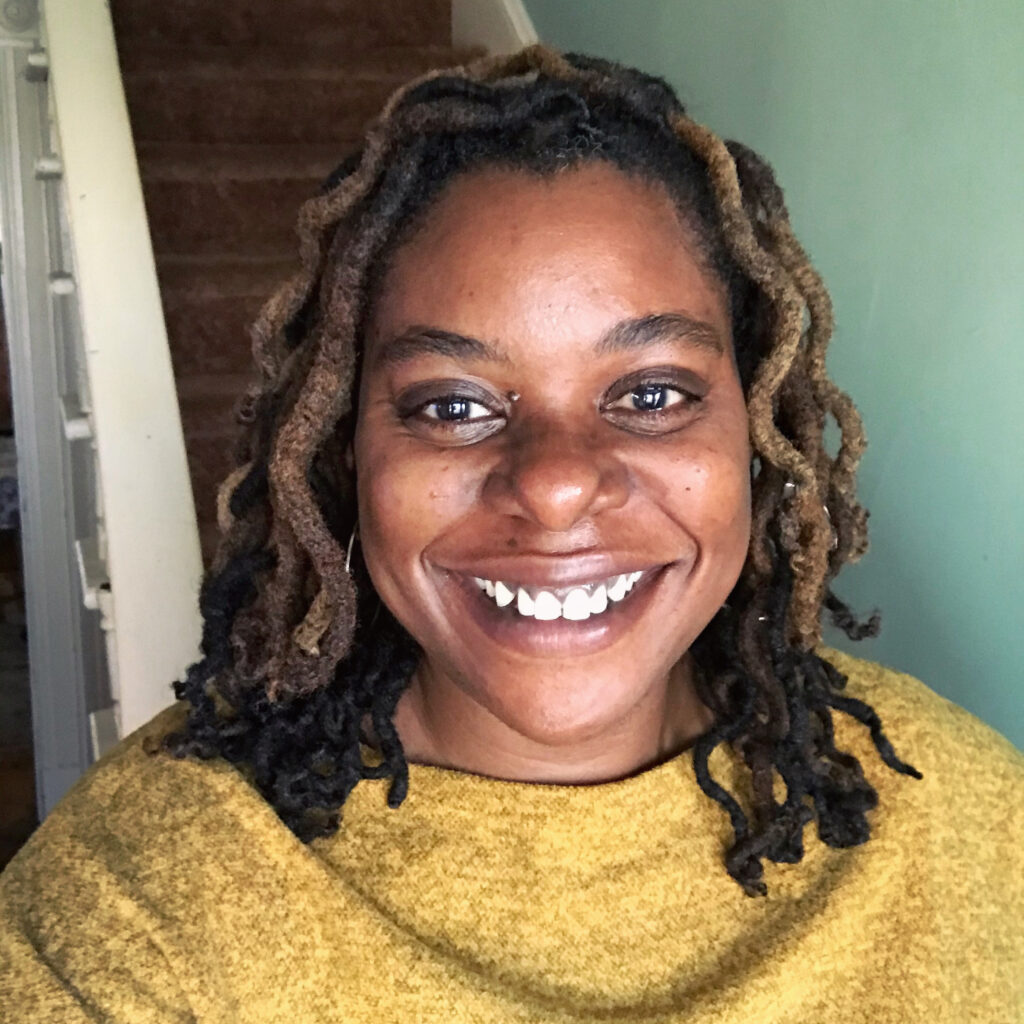
Deva Woodly,
Brown University
| Danielle Allen, Harvard University (Moderator) | Danielle Allen is James Bryant Conant University Professor at Harvard University. She is a professor of political philosophy, ethics, and public policy and director of the Democratic Knowledge Project (a civic education provider) and of the Allen Lab for Democracy Renovation (a public policy research lab). She is also a seasoned nonprofit leader, democracy advocate, national voice on AI and tech ethics, distinguished author, and mom. A past chair of the Mellon Foundation and Pulitzer Prize Board, and former Dean of Humanities at the University of Chicago, she is a member of the American Academy of Arts and Sciences and American Philosophical Society. Her many books include the widely acclaimed Talking to Strangers: Anxieties of Citizenship Since Brown v Board of Education; Our Declaration: a reading of the Declaration of Independence in defense of equality;Cuz: The Life and Times of Michael A.; Democracy in the Time of Coronavirus; and Justice by Means of Democracy. She writes a column on constitutional democracy for the Washington Post. Outside the University, she is a co-chair for the Our Common Purpose Commission and Founder and President for Partners In Democracy, where she advocates for democracy reform to create greater voice and access in our democracy, and to drive progress towards a new social contract that serves and includes us all. |
| Melani Cammett, Harvard University | Melani Cammett is Clarence Dillon Professor of International Affairs in the Government Department and Director of the Weatherhead Center for International Affairs at Harvard University. Cammett’s books include The Oxford Handbook on Politics in Muslim Societies (co-edited with Pauline Jones, Oxford University Press, 2022), Compassionate Communalism: Welfare and Sectarianism in Lebanon (Cornell University Press 2014), which won the APSA Giovanni Sartori Book Award and the Honorable Mention for the APSA Gregory Luebbert Book Award; A Political Economy of the Middle East (co-authored with Ishac Diwan, Alan Richards, and John Waterbury, 2015); The Politics of Non-State Social Welfare in the Global South (co-edited with Lauren Morris MacLean, Cornell University Press 2014), which received the Honorable Mention for the ARNOVA book award; and Globalization and Business Politics in North Africa (Cambridge University Press 2007). Her research explores post-conflict identity politics, development, migration, and authoritarianism in the Middle East and other contexts. She is currently working on a book that explores how people live together after violence, focusing on Bosnia-Herzegovina, Lebanon, and Northern Ireland. |
| Amaney A. Jamal, Princeton University | Amaney A. Jamal is Dean of the Princeton School of Public and International Affairs and the Edwards S. Sanford Professor of Politics and a Professor of Politics and International Affairs at Princeton. She directs the Workshop on Arab Political Development and the Bobst-American University of Beirut Collaborative Initiative. She is also the co-founder and co-principal Investigator of the Arab Barometer Project. Dr. Jamal’s scholarship covers the Middle East and North Africa, mass and political behavior, political development and democratization, inequality and economic segregation, Muslim immigration, gender, race, religion, and class. Her book Barriers to Democracy, which explores the role of civic associations in promoting democratic effects in the Arab world, won the 2008 American Political Science Best Book Award in the Comparative Democratization section. She is an author or editor of three other books and numerous peer-reviewed articles and book chapters. She is working on a new book titled The Global Segregation of the Poor. Dr. Jamal earned her PhD from the University of Michigan and a bachelor’s from the University of California-Los Angeles. She was named a Carnegie Scholar in 2006 and elected to the American Academy of Arts and Sciences in 2020. |
| Ian Lustick, University of Pennsylvania | Ian Lustick, the Bess W. Heyman Professor (Emeritus) in the Political Science Department of the University of Pennsylvania, specializes in comparative politics, international politics, and social science methodology. He has published and taught about Middle East politics, with a focus on Israel and Palestine, for more than half a century. After receiving his doctorate from UC Berkeley in 1976, he taught at Dartmouth College for fifteen years and worked for a year in the State Department as an intelligence analyst. He served as president of the Politics and History Section of APSA and is a founder and past president of the Association for Israel Studies. He is a pioneer in the field of agent-based computer modeling for social science and intelligence purposes and is now the book review editor of the Palestine/Israel Review. His most recent book is Paradigm Lost: From Two-State Solution to One-State Reality (2019). |
| Yoav Peled, Tel Aviv University | Yoav Peled is Professor Emeritus of Political Science at Tel Aviv University and a lawyer. In 2015-2016 he was a Visiting Professor of Israel Studies at the University of Virginia. In 2016-2017 he was a Leverhulme Professorial Fellow in the School of Global Studies at the University of Sussex and in the Middle East Center at the LSE. In the winter semester 2023 he was a fellow at the Frankel Institute for Advanced Judaic Studies at the University of Michigan (via Zoom). He is co-author, with Horit Herman Peled, of The Religionization of Israeli Society (Routledge, 2019) and co-editor, with John Ehrenberg, of Israel and Palestine: Alternative Perspectives on Statehood (Rowman and Littlefield, 2016). His book, co-authored with Gershon Shafir, Being Israeli: The Dynamics of Multiple Citizenship (CUP, 2002) won MESA’s 2002 Albert Hourani Award for best book in Middle East studies published that year. |
| Deva Woodly, Brown University | Deva Woodly is Professor of Politics at Brown University. She is the author of Reckoning: Black Lives Matter and the Democratic Necessity of Social Movements (Oxford 2022) and The Politics of Common Sense: How Social Movements Use Public Discourse to Change Politics and Win Acceptance (Oxford 2015). She has held fellowships at the Institute for Advanced Study in Princeton as well as the Edmund J. Safra Center for Ethics at Harvard. Her research covers a variety of topics, from social movements to race & imagination, media & communication, and political understandings of economics. Her newest work is on the politics of futurity – particularly what it means to take the concept of political worldbuilding seriously in the 21st century. Regardless of topic, she focuses on the impacts of public discourse on the political meanings of social and economic issues as well as how those common understandings change democratic practice and public policy. Her process of inquiry is inductive, moving from concrete, real-world conditions to the conceptual implications of those realities. In all cases, she centers the perspective of ordinary citizens and political challengers with an eye toward how the demos impacts political action and shapes political possibilities. |