
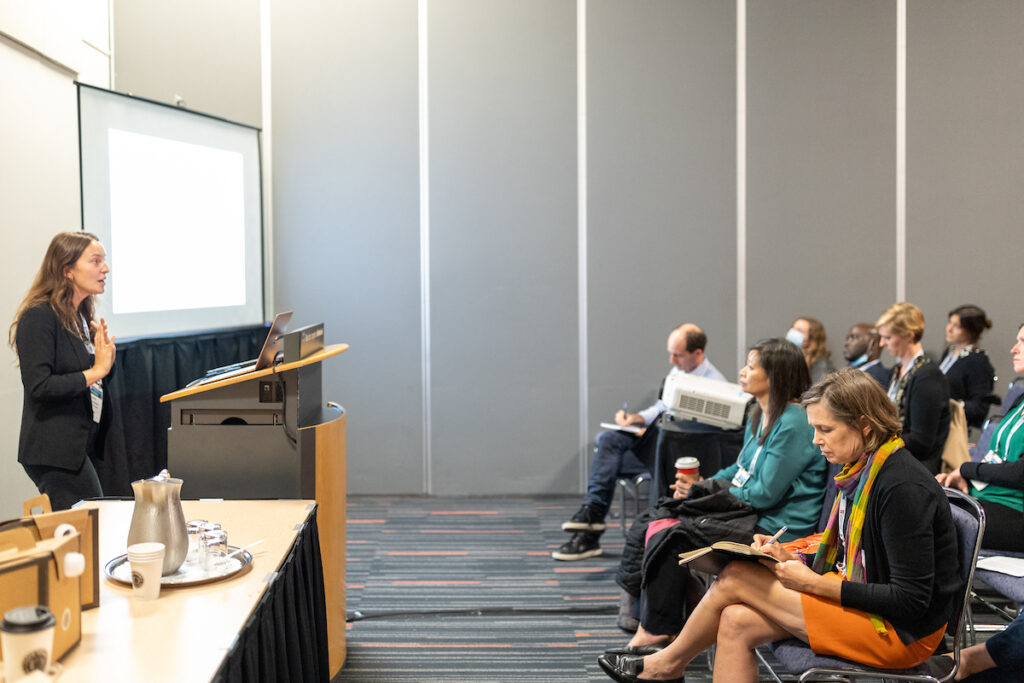

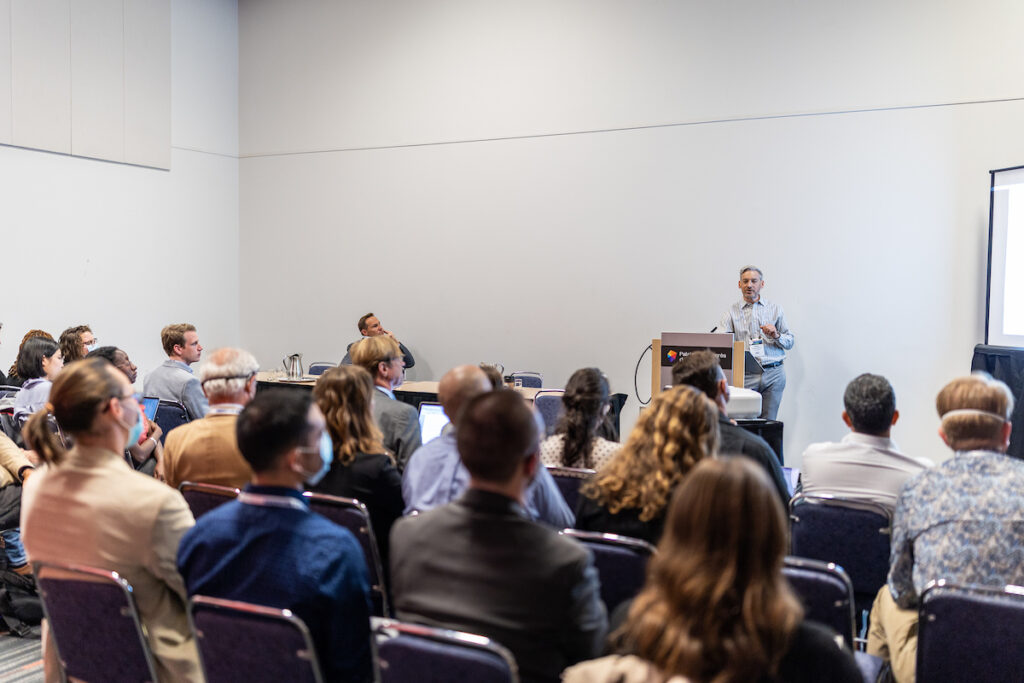
Mini-conferences are full days of content devoted to a theme. Each mini-conference is in pursuit of a larger cohesive goal than traditional panels provide, such as an edited volume or an omnibus dataset.
To view mini-conference times and locations, search and browse the Online Program.
Mini-Conference on Politics in Post-industrial Societies
Sponsored by Division 11: Comparative Politics
In recent decades, the political landscapes of post-industrial societies have undergone profound changes. From economic re-structuring and global recessions to demographic changes, these transformations have deeply impacted the economic and social structures that underlie today’s most affluent democracies. The political consequences of these structural changes are far-reaching, not least because of rising dissatisfaction with politics, declining partisanship, or fears of democratic backsliding. This mini-conference will explore the extent to which the contours of post-industrial societies are changing, and the ways in which these changes (re-)shape party competition, electoral choices, and preferences.
The mini-conference will be organized around five panels on central and deeply interconnected cleavages and grievances that lie at the heart of political conflicts in advanced industrial democracies today. The first panel examines how changes in women’s representation and status in labor markets and political structures affect electoral choices and preferences, both among women and groups threatened by these changes. The second panel investigates how the rising salience of climate change and the political backlash to it redefine party politics and voter affinities, identifying the central divides that underpin increased contestation around this issue. The third panel explores how the effects of economic crises and re-structuring (re-)shape electoral choices and political identities across space, place, and the left-right political spectrum. The fourth panel centers around the consequences of demographic and societal changes, focusing on how perceptions about ethnic and religious minority presence, combined with socio-cultural and -economic issues more generally, shape partisanship and political preferences. The final panel seeks to understand how radical parties, increasingly influential in the political arenas across advanced industrial democracies, garner and sustain support, and how and why they (re-)structure political competition in turn.
The five panels – while distinct in their thematic foci – together draw a comprehensive picture of the key economic and social changes underlying the contemporary electoral dynamics in post-industrial societies. Importantly, the core threads developed in each panel also overlap with one another. For example, not only are economic crises and re-structuring generating distinct patterns of electoral behavior across space and place, but so too are preferences towards climate action and climate sceptic attitudes redrawing the centre-periphery cleavage in important ways. Moreover, changing economic, social, and political structures, whether through increased women’s representation or demographic changes, also have deep implications for occupational risk, status, and social mobility, elements which play a key role in understanding contemporary electoral choices and which radical parties have been particularly successful at mobilizing.
The aim of this mini-conference is to bring together an empirically, theoretically, and geographically diverse group of scholars and foster dialogue on the aforementioned, and overlapping, topics both in a comparative perspective and across subfields. In so doing, the mini-conference seeks to advance understandings of the changing political landscapes of advanced industrial democracies, as well as foster future research that pushes the boundaries of the causes and consequences of such changes. In so doing, the mini-conference will lay the groundwork for the establishment of a working group that will regularly meet to bring together junior and senior scholars to workshop research in progress, receive constructive feedback, and discuss current advances in the field on these broader interconnected themes. The mini-conference will conclude with a reception to foster the creation of this network.
Women, Gender, Labor Markets and Political Structures
Participants:
(Chair) Ruth Dassonneville, Universite de Montreal
(Discussant) Elisabeth Ivarsflaten, University of Bergen
Session Description:
The first panel examines how changes in women’s representation and status in labor markets and political structures affect electoral choices and preferences. Meguid et al explore how women’s increasing substantive and descriptive representation affects gender differences in partisanship and vote choices; Breyer interrogates the conditions under which these changes in women’s representation fuel societal discontent and political backlash. Kuo and Gingrich and van Staalduinen and Zollinger in turn examine how women’s perceptions of their status, occupational risk, and upward mobility influence electoral choices and policy preferences.
Papers:
Voter Reactions to Trajectories of Women’s Representation
Magdalena Breyer, University of Zurich
The Impact of Women’s Representation on Gender Differences in Party Support
Bonnie M. Meguid, University of Rochester; Miki Caul Kittilson, Arizona State University; Hilde Roza Coffe, University of Bath; Ana Catalano Weeks, University of Bath
Upward Mobility and Gender in the Knowledge Economy
Delia Zollinger, University of Zurich; Briitta van Staalduinen, Leiden University
Strategically Inclusive Parties and Diversity of Descriptive Representation
Iris Acquarone, Rice University
Climate Skepticism and Changing Cleavages of Climate Politics
Participants:
(Chair) Fergus Green, University College London
(Discussant) Federica Genovese, University of Essex
(Discussant) Fergus Green, University College London
Session Description:
The second panel investigates how the rising salience of climate change and climate scepticism redefine party politics and voter affinities, identifying the central divides that underpin increased contestation around this issue. Bayer and Genovese and Arndt and Halikiopoulou examine how the geographic distribution of the costs and benefits of climate policies and regional identities contribute to a growing centre-periphery cleavage in climate politics and policy preferences. Green and Bolet in turn examine whether and how right-wing populist parties benefit from politicizing climate change by attaching it to socio-cultural and/or economic frames. Finally, Finnegan and Meckling deepen understanding of how corporate ownership structures business preferences for climate policies, and how these preferences help explain their opposition against long-term policies to address climate change.
Papers:
Climate Policy Costs, Regional Identity, Backlash to International Cooperation
Patrick Bayer, University of Strathclyde; Federica Genovese, University of Essex
Local Opposition to Environmental Protectionism and Voting Patterns in Europe
Christoph Arndt, Department of Political Science and Government, Aarhus University; Daphne Halikiopoulou, University of York
Corporate Ownership, Short-Termism, and Climate Policy Preferences
Jared J. Finnegan, University College London; Jonas Meckling, University of California, Berkeley
Do Right-Wing Populist Messages Affect Public Support for Climate Policy?
Fergus Green, University College London; Diane Bolet, University of Zurich
Place, Identity, and Grievances amidst Economic Crises
Participants:
(Chair) Daphne Halikiopoulou, University of York
(Discussant) Katherine J. Cramer, University of Wisconsin, Madison
Session Description:
The third panel explores how the effects of economic crises and re-structuring (re-)shape electoral choices and political identities across space, place, and the left-right political spectrum. Jeannet and Maneuvrier-Hervieu evaluate whether manufacturing job loss over the long-run has benefited the Republican party and its recent populist leader Trump; Lunz Trujillo then delves deeper into the connections between rural social identity, class, and Trump support. Cremaschi et al take up these themes of economic re-structuring and place to examine of how olive grove extermination has contributed to the success of the far right in Italy. By identifying the political realignments that follow economic crises and downturns, Margalit and Solodoch’s cross-national analysis of elections held in 22 countries over half a century place the more recent surges of right-wing parties in a comparative context.
Papers:
Decoupling Rural Identity from the American White Working Class
Kristin Kay Lunz Trujillo, Harvard University
The Political Geography of Manufacturing Decline in the US (1980-2016)
Anne Jeannet, University of Milan; Paul Maneuvrier-Hervieu, University of Milan
Electoral Reactions to Economic Crises
Yotam Margalit, Tel Aviv University; Omer Solodoch, University of Pennsylvania
Without Roots: How Olive Grove Extermination Strengthened the Far Right in Italy
Simone Cremaschi, Bocconi University; Catherine E. De Vries, Bocconi University
Perceptions, Preferences & Partisanship in Diverse Societies
Participants:
(Chair) Alexander Kuo, University of Oxford
(Discussant) Tarik Abou-Chadi, University of Oxford
Session Description:
The fourth panel examines the consequences of demographic and societal changes, focusing on how perceptions about ethnic and religious minority presence, combined with socio-cultural and -economic issues more generally, shape partisanship and political preferences. By analyzing how citizens position parties on key social, cultural, and economic dimensions cross-nationally, Dassonneville et al deepen understanding of the ways in which party positions and the restructuring of party competition shape party attachments. Ivarslaten et al delve deeper into the social and cultural dynamics of party competition by investigating when and why democratic actors misread public opinion about Muslim minority presence and inclusion. Magni and Ponce de Leon explore the ways in which individual-level traits of immigrants shape attitudes towards ethnic minority belonging and deportation, Campion interrogates the ways in which the demographic and economic characteristics of a local area shape preferences for ethnic minority representation among its ethnic majority residents.
Papers:
Voters’ Perceptions of Parties’ Positions and Partisanship
Ruth Dassonneville, Universite de Montreal; Patrick Fournier, Universite de Montreal; Zeynep Somer-Topcu, University of Texas at Austin
Out of Touch? Elite Readings of Public Opinion about Muslim Inclusion
Ingrid Kvåle Faleide, University of Bergen; Paul M. Sniderman, Stanford University; Elisabeth Ivarsflaten, University of Bergen
Spatial Inequalities and Majority Preferences for Ethnic Minority Candidates
Selene Campion, The George Washington University
Immigrants’ Identity, Economic Contributions and Deportation Attitudes
Gabriele Magni, Loyola Marymount University; Zoila Ponce de Leon, Washington & Lee University
Old & New Grievances and the Rising Appeal of Radical Parties
Participants:
(Chair) Pauliina Patana, Georgetown University
(Discussant) Diane Bolet, University of Zurich
Session Description:
The fifth panel seeks to understand how radical parties, increasingly influential in the political arena, garner and sustain support and how they benefit from politicizing specific grievances, both old and new. The first two papers apply an economic lens to understanding these patterns: Vlandas examines how class mobility affects far right support across Western Europe, Patana and Mayne examine how changing labor market structures and (in)security generate distinct patterns of radical left and right at the individual and local levels. Bonikowski and Leschke and Krenz advance understandings of the cultural dimensions driving radical right support. Bonikowski sheds light on why the mainstreaming of exclusionary and authoritarian politics has occurred at the present historical juncture and why it has been so widespread across contemporary democracies. Leschke and Krenz then examine the implications of refugee exposure on natives’ voting behaviour and support for radical right parties.
Papers:
Class Mobility and Far Right Party Support in Western Europe
Tim Vlandas, University of Oxford; Alexi Gugushvili, University of Edinburgh; Daphne Halikiopoulou, University of York
Left of Right? Labor Market, (In)security, and Radical Party Support
Pauliina Patana, Georgetown University; Quinton Mayne, Harvard University
A Cultural Model of Radical Right Mobilization
Bart Bonikowski, New York University
The Refugee Next Door: Explaining Radical Right Voting with Inter-group Exposure
Julia Leschke, European University Institute; Kimon Krenz, University College London
Chinese Politics Mini-Conference
Sponsored by Division 13: Politics of Communist and Former Communist Countries
Since its inception in 2016, the Chinese Politics Mini-Conference has facilitated connections and community building across the Chinese politics field. In this 2023 mini-conference, we build on this existing tradition by featuring a set of theoretically and methodologically diverse papers, presented by scholars across ranks and global academic affiliations. The research presented at this conference will examine issues in both domestic politics and international relations, drawing on historical, contemporary, and emerging phenomenon to make sense of Chinese politics today.
The mini-conference will also include a lunch session featuring a keynote speech by Professor Kevin O’Brien on “Cooptation, Agency and Hope,” as well as a post-conference reception to allow scholars to form professional relationships and foster new intellectual connections. We anticipate the sponsoring universities for these activities to include the home institutions of this year’s organizers: City University of Hong Kong, Stanford University, the University of Cambridge, the University of Kansas, the University of Oxford and U.S. Naval War College, as well as sponsorship from UC San Diego’s 21st Century China Center.
Charting Changes in State-Society Relations
Participants:
(Chair) William Hurst, University of Cambridge
(Discussant) Teresa Wright, California State University, Long Beach
(Discussant) Kyle Alan Jaros, University of Notre Dame
Session Description:
Charting changes in state-society relations.
Papers:
Mutual Noncompliance: Uneven Implementation and Social Stability
John James Kennedy, University of Kansas
The Chinese Young Feminist Activist: MeToo Movement’s Boundary
Nancy Tang
Politicization of Slum Demolition: Evidence from the Satellite Images of Beijing
Shiqi Ma, Cornell University
Charting the Policy Evolution of Xinjiang’s Re-education Campaign
Adrian Zenz, Victims of Communism Memorial Foundation
China’s Blacklists
Peter L. Lorentzen, University of San Francisco; Jieun Kim, NYU Shanghai
Continued Rise of China: Reactions, Old and New Issues
Participants:
(Chair) Oriana Skylar Mastro, Stanford University
(Discussant) Audrye Wong, University of Southern California
(Discussant) Oriana Skylar Mastro, Stanford University
Session Description:
China has rapidly emerged as a global power, and China’s rise has generated various reactions in different parts of the globe. Using focus-group interviews in the United States, South Korea, Japan, and Germany, Mary Gallagher and her co-authors explain why attitudes toward China are animated by different concerns in these countries. Michael Cerny uses an original survey experiment to examine how social desirability bias shapes the hawkish preferences of American foreign policy elite. Michael Masterson and Chaoyi Chang advance research on the question of to what extent the popular expression of nationalist sentiment in China is genuine or merely cheap talk. In the security and global order arena, old issues remain while new issues emerge. T. Sun and Dennis Lu-Chung Weng scrutinize the question of whether a war in the Taiwan Strait is inevitable and how elites from mainland China, Taiwan, and the U.S. view the inevitability of the war differently. Courtney Fung examines how China shapes a global order regarding the norms and institutions that manage cyberspace.
Papers:
After the China Shocks: Understanding Negative Attitudes toward China
Mary E. Gallagher, University of Michigan, Ann Arbor; Deanna Kolberg, University of Michigan; Guoer Liu, University of Michigan, Ann Arbor; Daniela Stockmann, Hertie School; Ziyi Wu, Massachusetts Institute of Technology; Nicole Wu, University of Toronto; Yujeong Yang, University of Illinois at Urbana Champaign
Putting Your Money Where Your Mouth Is
Michael Masterson, Missouri State University; Charles Chang
China’s Use of Rhetorical Adaptation in Development of a Global Cyber Order
Courtney Fung, University of Hong Kong
The Myth of a War in the Taiwan Strait
Taiyi Sun, Christopher Newport University; Dennis Lu-Chung Weng, Sam Houston State University
Hawkish Attitudes and Social Desirability Bias among U.S. Foreign Policy Elite
Michael Cerny, University of Oxford
Getting China’s Political Economy Right
Participants:
(Chair) Roselyn Hsueh, Temple University
(Discussant) Roselyn Hsueh, Temple University
(Discussant) Yuhua Wang, Harvard University
Session Description:
This panel examines the intersection of comparative and international political economy in China. The papers explore important issues such as banking regulations, foreign direct investment, state-owned enterprises, RMB internationalization, and economic decoupling. Ling Chen’s paper proposes a theory of institutional rebound to explain why state-owned enterprises (SOEs) are so hard to reform. She argues that the pressure to reform drove SOE leaders to initially target lower tier workers and nonstrategic sector workers, who have fewer political resources. However, because of institutional rebound, these vacancies were soon replaced with the cronies of the powerful, which ironically shrank the pool of personnel that could be targeted, pushing reforms upward to the higher level of the political hierarchy where efforts stall. Adam Liu’s paper leverages bank punishment records and elite interviews to explore why local Chinese banks rarely received any regulatory warning or punishment despite massive malpractices. He argues that current efforts to ramp up regulatory pressure over the banking system is a Sisyphean battle— it’s impossible to credibly commit to both effective bank regulation and bank-financed growth model. Samantha Vortherms’ paper investigates how local governments manage competing interests in developing their labor market by attracting foreign capital while preventing excessive internal migration. She argues that variation in locally invested FDI time-horizon and skill dependence drives the balance between inclusion and exclusion of migrants at the local level. Policies that facilitate the integration of migrants correlate with longer-term foreign contracts with greater dependence on high-skilled workers while shorter contracts and those more dependent on low-skilled labor incentivize the local government to restrict migrants access to local government services. Yeling Tan’s paper examines how local governments in China have been implementing the central government’s call for greater self-reliance and global decoupling. Using an original dataset of local government policies combined with fine-grained economic data, it explains why a locality’s degree of embeddedness in global supply chains, alongside perceptions of political risk, shapes its available strategies for navigating between central guidelines and the international economy. Siyao Li’s paper finds that China’s primary tool for currency internationalization— RMB swaps—is constrained by the dual exigencies of guaranteeing security for overseas economic interests and maintaining domestic financial stability. She demonstrates that RMB internationalization is influenced by both Chinese and US security alliances.
Papers:
Institutional Rebound: Why Reforming China’s SOEs Is So Difficult
Ling Chen, Johns Hopkins University
The Political Economy of Bank Regulation in China
Adam Yao Liu, National University of Singapore
FDI Skill-Dependence and Labor Market Management in China
Samantha Vortherms, University of California, Irvine
Local States in World Markets: Self-Reliance in an Interdependent World
Yeling Tan, University of Oregon
RMB Internationalization and the Limits of Economic Statecraft
Siyao Li, University of Pennsylvania; Aditi A. Sahasrabuddhe, Wellesley College; Scott Wingo
Public Opinion and Its Management in China
Participants:
(Chair) Dimitar D. Gueorguiev, Syracuse University
(Discussant) Haifeng Huang, University of California, Merced
(Discussant) Rongbin Han, University of Georgia
Session Description:
One big question in Chinese Politics is how public opinion in China evolves and how the Chinese regime manipulates it. Thanks to the rapid development of communication technology, it becomes difficult for any autocracy to completely repress public opinion. The public in China is able to receive information regarding from different sources, and their opinions on the Chinese regime are affected by such information. How would public opinion evolve in China? Furthermore, with the traditional opinion manipulation tools being less effective, what new strategies has China adopted to manipulate public opinion? This panel, consisting of five papers on public opinion and its management in China, answers these questions from several important perspectives. The first two papers by Carter and Wu, Wang, and Desposato, provide evidence of how Chinese public opinion evolves. Specifically, Carter finds that the democratic promotion from the U.S. can significantly increase public disapproval of the Chinese regime and the likelihood of protest in China. On the contrary, Wu, Wang, and Desposato argue that owning private houses can effectively increase regime support in China, based on evidence from a housing reform in the 1990s. In sum, Carter’s work demonstrates that international democratic promotion can still change Chinese people’s attitudes towards government effectively, while Wu, Wang, and Desposato show that privatization can be a powerful tool to solicit domestic support in China. The other three papers in this panel reveal various strategies and their effects on manipulating Chinese public opinion. Shen’s work examines propaganda from the bottom-up perspective, looking into how unique individual psychological traits affect the effectiveness of propaganda people receive. Lu focuses on a new but rapidly growing area of propaganda and political behavior, i.e., fans and fandom culture in China’s entertainment industries, to see how fans behave politically and how the Chinese regime can use fandom culture and narratives to mobilize those fans to support the government. Lastly, Xu, Pan, and Xu explore how the Chinese regime uses non-political crimes to repress and silence political opinion leaders and show that the moral value of key opinion leaders, which is damaged by those non-political charges, could be crucial in changing public attitudes. Overall, the three papers reveal how the Chinese regime combines various forms of propaganda and hard repression to manipulate public opinion and solicit domestic political support.
Papers:
The Long Term Effects of VOA Radio Broadcasts in China
Erin Baggott Carter, University of Southern California
Capital and Democracy: Evidence from Housing Privatization in China
Scott W. Desposato, UCSD; Gang Wang, Wuhan University; Jason Yuyan Wu, Indiana University
When Propaganda Resonates, China
Xiaoxiao Shen, Princeton University
Fandom, Propaganda and State Mobilization on Chinese Social Media
Yingdan Lu, Stanford University
Disguised Repression: Targeting Opponents with Non-political Crimes
Xu Xu, Princeton University; Jennifer Pan, Stanford University; Yiqing Xu, Stanford University
Surveying the Landscape: Knowledge Production, Bureaucracy and Policymaking
Participants:
(Chair) Sabrina Habich-Sobiegalla, Freie Universität Berlin
(Discussant) Iza Ding, University of Pittsburgh
(Discussant) May Farid, Stanford University
Session Description:
Major shifts in Chinese politics and society are occurring just as the study of Chinese politics faces critical challenges. Access to reliable data sources has been disrupted, expertise has narrowed, and theoretical frameworks long prominent in the study of China are being revised based on data that is available. This panel provides a picture of the state of the Chinese politics subfield and its limitations and addresses key debates on bureaucratization and policymaking at the heart of the field. Two papers uncover important limitations and directions in the study of Chinese politics. Edmund Cheng and Samson Yuen’s paper examines the patterns of knowledge production and diffusion in the study of Chinese politics based on the bibliometrics analysis of over 75,000 articles in area studies journals and 250,000 articles in political science journals between 1956 and 2022. They find that while the China field is increasingly productive and methodologically more advanced and diverse, its intellectual diffusion toward the discipline of political science remains circumscribed. Amid increased authoritarian control, lingering pandemic restrictions and rising geopolitical tensions between China and the global North, the authors raise concerns over the resilience of the China field. Franziska Barbara Keller, Jos Dornschneider-Elkink, and Hans Hanpu Tung study China experts and their interactions, bringing to light echo chamber effects and information biases. Using original network data and monthly surveys of experts, they find evidence of cliqueness based on geographic location and profession – and a central role of US-based experts as well as homophily in this interaction network with regards to their risk assessment. Their work has implications for how database organizers recruit their experts, and for policy-makers to critically examine the sociology of knowledge among China experts who inform national policymaking. Another three papers present important findings that engage and modify longstanding theories of bureaucratization and policymaking in China. Engaging scholarship that follows the ever-present tension between centralization and discretion in policymaking, Jessica Teets and Xiang Gao draw on new survey data of over 1400 local officials to show how policymaking is perceptibly centralizing, with remaining areas of local discretion across policy issues and geography. While centralizing reforms create more professional and less corrupt local officials, and standardize policymaking across China, they result in unintended consequences of more inconsistent policymaking and enforcement and cadre demoralization. Their findings add broader empirical data to the trend of centralization revealed in existing case study research concentrated in specific locations or policy areas. Lizhi Liu and Reed Lei explore a surprising wave of deregulation of the bureaucracy under the Xi administration considering the popular belief that the administration has been centralizing power on every front. They analyze what strategic considerations are driving China’s sweeping deregulation program by examining which regulatory approval items are most likely to be removed. They find that deregulation is not about reducing the overall power of the state, but about restructuring power and relocating bureaucratic resources. As the government removes ex ante administrative approvals for economic activities, it also creates new powers for ex post regulation. Second, Chinese leaders have used deregulation as a tool to discipline the bureaucracy: reducing corruption opportunities and regulatory discretion. Finally, Zhihang Ruan traces the policy evolution of China’s land ownership system in comparative perspective with that of Vietnam. Vietnam has a “unitary” system where all land is in name owned by the state, while China’s dualist land ownership system enables the state to limit the transferability of rural land and maintain monopolistic power over the primary land market in cities. Using newly available historical archives and extensive fieldwork, the author traces the roots of the land ownership regimes, showing that these divergent regimes cannot be explained by China’s generally stronger state power vis-à-vis society compared to Vietnam. Rather, the Chinese state’s restrained strategy towards nationalization at this critical juncture produced an unexpected and likely unintended dualist regime that proved especially useful for later land expropriation and capital mobilization. Together, the papers present a bird’s-eye view of the China politics subfield, highlighting areas of strengths and weakness, and suggesting the need to revise longstanding assumptions underlying the study of policymaking and bureaucratization in China.
Papers:
Researching Chinese Politics in Critical Times: A Bibliometric Analysis
Edmund W. Cheng, City University of Hong Kong; Samson Yuen, Hong Kong Baptist University; Yuner Zhu, City University of Hong Kong
Should We Be Worried about Echo Chambers among China Experts?
Franziska Barbara Keller, University of Bern; Johan A. Dornschneider-Elkink, University College Dublin; Hans Hanpu Tung, National Taiwan University
Beyond Fragmented Authoritarianism: Centralizing Policymaking in China
Xiang Gao, Zhejiang University; Jessica C. Teets, Middlebury College
Turning the Blade Inward: Demystifying China’s Deregulation Program
Lizhi Liu, Georgetown University; Zhenhuan Lei, University of Wisconsin, Madison
State-Building and Land Nationalization in China and Vietnam
Zhihang Ruan, Northwestern University
Comparative Courts & Legal Systems Mini-Conference
Sponsored by Division 26: Law and Courts
Access to Justice in Comparative and International Perspective
Participants:
(Chair) Rebecca L. Sandefur, Arizona State University
(Discussant) Ezequiel Alejo Gonzalez Ocantos, University of Oxford
Session Description:
This panel analyzes access to justice in complex societies, which involves actors at the individual and collective levels as well as in the private and public spheres. One strand of the literature focuses on resources at the individual level, explaining why some people take their conflicts to court based on access to lawyers, alternative mechanisms of dispute resolution, or technology (e.g. Sandefur 2022, World Justice Project 2019). Another strand, emphasizing collective actors, seeks to explain why some social movements include strategic litigation in their repertoire for mobilization or why they legally mobilize to fight for some goals but not others (e.g. Vanhala 2012, 2017; Cichowski 2007). Yet another corpus of scholarly literature enters the discussion from the viewpoint of political actors, mainly judges, to analyze why some judicial decisions invite more litigation of certain issues or actors but send strong signals of the futility of litigation in others (e.g. Taylor 2020).
This panel aims to present work bridging the different strands in the literature on access to justice and to broaden the scholarship to comparative and international contexts. Whereas some papers take a more sociological and bottom-up perspective asking why and when people bring their conflicts to courts (Ponce), from this perspective, others ask the provocative question of whether there is an optimal level of access to justice such that too much access to justice is something that causes unwelcome outcomes (Taylor). Other papers use an institutional and top-down perspective, questioning whether access to courts equals access to justice (Achury and Rios-Figueroa). Finally, looking at collective actors, such as interest and advocacy groups, another paper examines how third-party participation in litigation at international courts opens up greater access to these judicial institutions (Cichowski). The panel features cross-national comparisons (Cichowski, Ponce, Achury and Rios-Figueroa) as well as in-depth country studies (Taylor), and more theoretical reflections.
Papers:
Justice Inequality
Alejandro Ponce-Rodriguez, The World Justice Project
The Paradoxical Effects of Increased Access to Justice
Whitney K. Taylor, San Francisco State University
Does Access to Courts Lead to Access to Justice?
Susan Vivian Achury, Lycoming College; Julio Rios-Figueroa, ITAM
Amicus Curiae and Access to Justice in International Courts
Rachel A. Cichowski, University of Washington
What Makes an International Institution Work for Activists?
Filiz Kahraman, University of Toronto
Democracy and the Courts
Participants:
(Chair) Joshua Boston, Bowling Green State University
(Discussant) Jeffrey Staton, Emory University
Session Description:
Democracy, elections, and state actions have been under fire in recent years, both in the United States and abroad. As the research on this panel reveals, courts and judges are often tasked, quite controversially, with resolving political disputes, enforcing contentious laws, and even, in many cases, creating the rules that govern the political landscape.
Papers:
Judging Democracy: Courts and Elections in Brazil and Mexico
Diana Kapiszewski, Georgetown University
Judicial Resilience: How Judges Manage Pressures in China’s Anti-crime Campaigns
Yu Zeng, Shanghai Jiao Tong University
Partisanship, Fire Alarms, and the Rule of Law
Amanda Driscoll; Jay Krehbiel, West Virginia University; Michael J. Nelson, The Pennsylvania State University
Public Reactions to Corruption Scandals: Evidence from Brazil
David De Micheli, University of Utah; Whitney K. Taylor, San Francisco State University
Democracy, Autocracy, and Institutional Change
Participants:
(Chair) Nancy Bays Arrington, California Polytechnic State University
(Discussant) Nancy Bays Arrington, California Polytechnic State University
(Discussant) Susan Vivian Achury, Lycoming College
Session Description:
The papers in this panel address issues of courts as agents of of change in different legal systems. The papers address gender, decision making, changing structures of courts and political networks.
Papers:
Judge Gender and Hierarchy in Judgments of Sexual Assault Cases in Taiwan
Chin-shou Wang, National Cheng Kung University; Shun Min Wang, National Yang Ming Chiao Tung University
Ricochet Effect: Changes in the Structure of Domestic and International Courts
Caroline de Lima e Silva, Northwestern University and University of Copenhagen
When They Go Low, Court Communication Efforts Go High?
Jasmin Sarah Koenig
Are Regression Discontinuity Designs Appropriate for Supreme Court Decisions?
Peter Dunphy, University of Texas at Austin
Judicial Decision Making in Comparative Perspective
Participants:
(Chair) Valerie J. Hoekstra, Arizona State University
(Discussant) Julio Rios-Figueroa, ITAM
(Discussant) Valerie J. Hoekstra, Arizona State University
Session Description:
The papers on this panel examine the factors that influence individual judges and courts in their decisions across different legal landscapes.
Papers:
Collegiality in Context? Evidence from Chinese Courts
Zhaoyang Sun; Xiaohong Yu
Decision Making in the Supreme Court of the United Kingdom
Ali Shiraz Masood, Oberlin College; Jennifer Bowie, University of Richmond
Does Abstract Review Work as Check and Balance for Democracy?
Andreu Rodilla, University of Barcelona
Gender Matters in the Judiciary: Adjudicating Sexual Assault in Korea
Seo Nyeong Jo, University of Minnesota, Twin Cities
Judicial Agency? Government Input and Litigant Success in the CJEU
Tommaso Pavone, University of Arizona; Silje Synnøve Lyder Hermansen, University of Copenhagen; Louisa Boulaziz, ARENA Centre for European Studies, University of Oslo
Violating Impartiality: The United States Judiciary Governing the Market
Monica Widmann
Historical Foundations of Political Development in the Global South Mini-Conference
Co-sponsored by Division 6: Political Economy & Division 44: Democracy and Autocracy
Across the Global South, questions around democracy, land rights, education, and ethnic inclusion constitute primary preoccupations of citizens, policymakers, activists, and scholars. Often, these issues are particularly acute in post-colonial societies, where the legacies of coercive, extractive, and racist institutions have cast a long shadow and continue to shape contemporary politics. This mini-conference comprises four panels and a roundtable that brings together scholars investigating how colonial and post-colonial institutions have shaped political development. Participants also provide insight into how legacies interact with near-term factors to produce distinct outcomes on domains of state capacity, education access, democratic deepening, Indigenous representation, and access to land. The relatively young democracies of Latin America provide a valuable empirical context to study these challenges and provide the mini-conference’s primary–though not exclusive–focus.
The mini-conference format will provide a day-long opportunity for scholars to engage in a sustained, connected discussion of the mini-conference themes around historical political economy, with the ultimate goal of fostering new collaborations and research agendas. While connected by a commitment to political economy, broadly conceived, participants vary in their background, academic rank, and methodological approach.
Analyzing Near and Long-Term Causes in Historical Research
Participants:
(Chair) Maria Victoria Murillo, Columbia University
(Presenter) Agustina S. Paglayan, UCSD
(Presenter) Francisco Garfias, University of California, San Diego
(Presenter) Gerardo L. Munck, University of Southern California
(Presenter) James Mahoney, Northwestern University
(Presenter) Jenny Guardado, Georgetown University
Session Description:
The roundtable discussion will consider the relationship between near-term and long-term causes of contemporary phenomena, addressing several key questions. How do different frameworks of historical analysis (e.g., critical junctures, historical political economy) shape theoretical approaches and empirical analysis? How do scholars evaluate the weight of historical causes and–potentially endogenous–near-term ones? When do historical causes cease to be operative?
Building States and State Capacity
Participants:
(Chair) Jorge G. Mangonnet, Nuffield College, University of Oxford
(Discussant) Jorge G. Mangonnet, Nuffield College, University of Oxford
(Discussant) Victoria Paniagua, London School of Economics
Session Description:
This panel examines state-building and state capacity. Garfias and Sellars demonstrate that state-directed centralization reforms during the colonial period created the conditions that facilitated popular rebellion. Mazzuca demonstrates that Latin America can prove informative for understanding why territorial consolidation and state capacity jointly occurred in the US. Guardardo shows that colonial legacies in Mexico, Peru, Guatemala, and Bolivia limited the range of potential paths for state building in the 19th century and subsequent economic development. Carter and Urteaga demonstrate that twentieth-century state-building in Peru was more likely in areas with both Indigenous mobilization and an opposition mayor.
Papers:
When State Building Backfires
Francisco Garfias, University of California, San Diego; Emily Sellars, Yale University
Colonial Venality and Spanish America’s State-Building Paths
Jenny Guardado, Georgetown University
State Capacity in the Americas: Latin American Lessons for the US
Sebastián Mazzuca, Johns Hopkins University
Politicized State-Building
Christopher Lee Carter, University of Virginia
Historical Causes and Consequences of Democracy
Participants:
(Chair) Daniel W. Gingerich, University of Virginia
(Discussant) Daniel W. Gingerich, University of Virginia
(Discussant) Guadalupe Tuñón, Princeton University
Session Description:
This panel addresses the historical causes and consequences of democracy. Callis examines the conditions under which economic elites supported democratic reforms in early twentieth-century Argentina. Tiberti shows how this early democratization led to greater investment in bureaucracy in areas where bureaucratic capacity was initially low. Pardelli and Buarque de Hollanda investigate how geographic endowments shape party systems across Brazilian states during the First Republic (1899-1930). Tuñón examines how different forms of democratization in twentieth-century Brazil shaped municipal-level electoral competition. Albertus analyzes the relationship between state recognition of Indigenous communities and support for democracy in Peru.
Papers:
Geographic Endowments, Commodity Shocks, and Party Systems
Giuliana Pardelli, New York University Abu Dhabi
Democratization and Political Selection
Guadalupe Tuñón, Princeton University
When Economic Elites Support Democratization
Anna Firestone Callis, University of California, Berkeley
Democratization and Local Bureaucratic Capacity
Federico Tiberti, Princeton University
Indigenous Identity, State Recognition, and Democracy
Michael Albertus, University of Chicago
Public Goods Provision in Heterogeneous Societies
Participants:
(Chair) Maria Victoria Murillo, Columbia University
(Discussant) Elena Barham, Columbia University
(Discussant) Christopher Lee Carter, University of Virginia
Session Description:
This panel examines public goods provision in heterogeneous societies. Franco Vivanco and Thiha Zaw analyze why education was provided to some Indigenous communities during the colonial period but not to others. Sánchez-Talanquer examines the post-independence provision of education in Mexico, demonstrating the legacies of counterrevolutionary mobilization against linguistic standardization and suppression of Catholicism through schools. Garcia-Montoya, Güiza-Gómez, and Montoya demonstrate that vertical integration and economic activity can explain why some Colombian elites resisted a land restitution program. Singh analyzes how colonial-era ideologies in India have shaped state developmental interventions, especially those involving societal compliance.
Papers:
Extirpating Fanaticism and Civilizing the Savage
Mariano Sanchez-Talanquer, El Colegio de México
Protecting Land in Courtrooms
Laura Garcia Montoya, University of Toronto; Ana Maria Montoya Garcia, Duke University
The Origins and Consequences of Indigenous Education in Mexico
Edgar Franco Vivanco, University of Michigan; Htet Thiha Zaw, University of Michigan
Colonial Ideologies and Postcolonial Development
Prerna Singh, Brown University
The Politics of Property Rights and Redistribution
Participants:
(Chair) James Mahoney, Northwestern University
(Discussant) James Mahoney, Northwestern University
(Discussant) Jane Esberg, University of Pennsylvania
Session Description:
This panel analyzes the politics of property rights and redistribution. Barham analyzes how the military facilitated landed elites’ resistance to land redistribution in 1930s Mexico. Urteaga investigates the politics of agricultural policymaking in Chile and Colombia during the era of import substitution industrialization, seeking to explain why Chile’s development strategy was more biased against agriculture than Colombia’s. Paniagua uses evidence from Argentina to that portfolio diversification accounts for elite decisions to invest in different strategies around redistribution. Mangonnet shows that the exogenous abolition of labor-repressive arrangements (e.g., slavery) in Imperial Brazil fostered the emergence of private property rights as a legal means to control labor and preclude freed workers from having land access.
Papers:
How the Military Facilitated Elite Backlash to Redistribution
Elena Barham, Columbia University
Fighting Urban Bias
Madai Urteaga Quispe, Harvard University
Landowners, Capitalists and Bankers
Victoria Paniagua, London School of Economics
Abolitionism and Property Rights Formation
Jorge G. Mangonnet, Nuffield College, University of Oxford
Mini-Conference on Asian Political History
Sponsored by Division 7: Politics and History
In recent years the discipline of political science has witnessed a renaissance in the study of history. While methodologically and theoretically eclectic, these historical works share a commitment to using the best tools of social science to understand the most important phenomena in world history, and to systematically tracing the lasting legacies of historical events on contemporary politics. In the study of Asia, this literature has been largely divided between scholars of China and analysts of the many diverse political systems in China’s immediate neighborhood. This mini-conference draws on the spirit of this recent historical renaissance to bring together political scientists applying a wide array of methodological tools and theoretical perspectives to Asian cases such as Burma, China, Indonesia, Japan, Korea, Malaysia, Thailand, and Vietnam, as well as scholars who explicitly juxtapose Asian political history with European history, and who position Asian political history squarely within wider global history. The five assembled panels will explore and pivot around broad themes of 1) legacies of violence in 20th-century Asia, 2) political revolutions and nation-state formation, 3) state capacity through the lenses of bureaucracy and education, 4) the divergent dynamics of ancient and modern wars, and 5) cross-regional and global perspectives.
Organizers: Ji Yeon (Jean) Hong (University of Michigan), Xiaobo Lü (University of Texas-Austin), Dan Slater (University of Michigan), and Yuhua Wang (Harvard University).
Cross-Regional and Global Perspectives
Participants:
(Chair) Yuhua Wang, Harvard University
(Discussant) Dean Dulay, Singapore Management University
(Discussant) Nanxi Zeng, New York University Shanghai
Session Description:
This panel attempts to understand the history of Asia from a broader global perspective. Using original data from 8,000 Ming and Qing dynasty tribute exchanges conducted between 1368 and 1895 in China, Strange explores the question when do leaders use diplomacy for their own political benefit. Kang and Ma study historical experience of power transition in East Asia and offer important implications to US-China relations today. He integrates theories of state legitimation with contentious politics to study England (1640-1780), Japan (1858-1891), and China (1840-1911), arguing that the normative framework of state legitimation even in non-democratic regimes can accommodate a significant amount of popular engagement with the authorities. Ding compares two failed liberal political reforms that took place in late-Qing dynasty China and 19th century Prussia and suggest that the failures could be explained by the different ways in which liberalism and nationalism interacted.
Papers:
At the Helm of Hegemony: Emperors, Legitimacy, and Diplomacy in Late Imperial China
Austin Strange, University of Hong Kong
Power Transitions and the Lessons of East Asian History: Internal Challenges, External Threats, and the Future of US-China Relations
David C. Kang, University of Southern California; Xinru Ma, Beijing Foreign Studies University
Public Interest, State Legitimation, and the Great Divergence in Political Development: England (1640-1780), Japan (1858-1891), and China (1840-1911)
Wenkai He, Hong Kong University of Science and Technology
Liberalism, Nationalism, and Paths Out of Reforms: A Comparison of Late-Qing China and 19th Century Germany
Iza Ding, University of Pittsburgh
Bureaucracy, Education, and Empire
Participants:
(Chair) Ji Yeon (Jean) Hong, University of Michigan
(Discussant) Pierre F. Landry, Chinese University of Hong Kong
(Discussant) Cheng Cheng, NYU Wilf Family Politics Department
Session Description:
This panel studies the evolution of historical institutions and their impacts in Asia. How have bureaucracy and education systems evolved in Asia? Using a novel dataset constructed with 5,000 tomb epitaphs from the late-6th to early 10th centuries, and a mixed-methods design, Wang and Yang document that the origins of the Imperial Examination System in China were due to various contingent factors. Kuipers argues that patterns of aristocratic bureaucratic recruitment amounted to ethnic self-rule, supported by evidence from a newly-collected panel dataset on the indigenous civil service (pangreh pradja) in the Dutch East Indies between 1882-1942. Zaw aims to understand state involvement in education expansion, and offer new insights based on an original panel data covering 33 British Burma districts over two decades (1901-20). Nong uses a novel dataset covering 357 monarchs in 17 states in ancient China during the Spring-Autumn and Warring States to study how informal institutions promote autocratic survival.
Papers:
The Origins and Consequences of China’s Imperial Examination System
Erik H. Wang, Australian National University; Clair Yang, University of Washington
Nations That Never Were: A Comparative Study of the Dutch East Indies and French Indochina
Nicholas Kuipers, National University of Singapore
The Societal Origins of State Education: Evidence from British Burma
Htet Thiha Zaw, University of Michigan
Informal Succession Institutions and Autocratic Survival: Evidence from Ancient China
Xin Nong, University of Texas at Austin
China’s Many Contentious Frontiers: Ancient Battles, Modern Struggle
Participants:
(Chair) Xiaobo Lu, University of Texas at Austin
(Discussant) Huan Gao
(Discussant) Howard Liu, University of South Carolina
Session Description:
This panel focuses on issues related to China’s contentious peripheries in various times of history. He and Hong argue that civilian victimization by foreign military ingrains memories of the violence among the targeted population, which facilitates nationalist mobilization in other international conflicts, drawing evidence from the atrocities committed by the Japanese army against Chinese civilians during the Sino-Japanese War (1931-1945). Peng and Mattingly build an extensive new dataset of all prefectural military officers in Qing China from 1644-1911 to investigate how multi-ethnic states prevent rebellion and maintain stability. Jiang and Lan show that traditional networks and cleavages within rural society can be exploited by movement entrepreneurs to mobilize peasantry based on CCP uprising data from 1927—1936. Vu compares and contrasts ancient Korea and Vietnam, arguing that the divergence of regime stability was due to different geopolitical environments of the two Han frontiers and the various ways Chaoxian people and polities were connected to the steppe and its people.
Papers:
The Military Consequence of Civilian Victimization: Evidence from Two Wars in East Asia
Ning He, New York University; Ji Yeon (Jean) Hong, University of Michigan
Insurgent Empire: How the Military Thwarted Ethnic Rebellions in China, 1644-1911
Peng Peng, Duke University; Daniel Mattingly, Yale University
From Kin to Comrades: Rural Clan Society and the Rise of Communism in China
Xingchen Lan, New York University; Junyan Jiang, Columbia University
War and Ancient State Formation along China’s Eastern and Southern Frontiers: Korea and Vietnam in Comparative Perspective
Tuong Vu, University of Oregon
Revolutions and Political Development
Participants:
(Chair) Iza Ding, University of Pittsburgh
(Discussant) Joel Sawat Selway, Brigham Young University
(Discussant) Joan E. Cho, Wesleyan University
Session Description:
This panel investigates how decolonization, nationalism, and revolution affect state formation in Asia. Kasuya aims to explain the origins of regime variation in Asia and offer a comparative historical analysis of the political dynamics in the wake of decolonization. Paik and Vechbanyongratana study Thailand’s railroad projects in the late-19th and early 20th centuries to understand its long-term impact on local development. Lim and Kok demonstrate persistent differences in inter-ethnic contact affect voter preferences for ethno-nationalistic politics based on a large-scale resettlement program of 500,000 rural ethnic Chinese villagers in ethnic Malay-majority Malaysia. Based on an analysis of the two most similar, single-party, revolutionary autocracies of China and Vietnam, Truong argues that dynamics in the distinct sequencing of party and state formation processes during critical revolutionary antecedents fundamentally shape the relationship between the ruling party and the state.
Papers:
Historical Origins of Democracy and Dictatorship in Asia: Institutions and Movements at the Decolonization Moment
Yuko Kasuya, Keio University
Reform, Rails, and Rice: Political Railroads and Local Development in Thailand
Christopher Paik, New York University Abu Dhabi; Jessica Vechbanyongratana, Chulalongkorn University
Ethnic Segregation and Politics: Evidence from Malaysia
Jia De Gedeon Lim, University of Hong Kong; Chun Chee Kok, Monash University
Party Control in Revolutionary Autocracies: Communist Penetration of the State in China and Vietnam
Nhu Truong, Denison University
War Made Legacies and Legacies Made War: Asia’s 20th-Century Conflicts
Participants:
(Chair) Dan Slater, University of Michigan
(Discussant) Eun A. Jo, Cornell University
(Discussant) Aram Hur, The Fletcher School, Tufts University
Session Description:
This panel explores how wars have shaped contemporary states and society in Asia. Joo offers an alternative explanation on violence against civilians during wartime based on analysis of new archival data on prewar protest activity in South Korea and civilian killings during the Korean War. Luo traces the organizational linkages of CCP pre-1949 mobilization and find a positive correlation between revolutionary mobilization and the enforcement of the National Land Reform Campaign (1950-53). Saijo explores the deployment of Japanese conscripts to Russia during the Siberian Intervention as an exogenous shock in the local population to estimate the impact of revolutionary ideology on rural class conflict. Finally, Qian examines the effect of pre-existing state-society relations on the states’ intention and ability to make war based on a new dataset during the Warlord Era (1912–1927)
Papers:
Difficult to Bend: Pre-war Mobilization and Violence against Civilians during Wars
Hojung Joo, University of Michigan
Revolutionary Legacies and Redistribution: Guerrilla Warfare, Revolutionary Agents, and Land Reform in Communist China
Kevin Wei Luo, University of Toronto
Determining the Subjective Conditions for Contention: The Effect of Exposure to the Russian Revolution on Peasant Movements in Japan
Harunobu Saijo
Revenue Structure, State Autonomy, and War Making in Warlord China (1912-1927)
Jingyuan Qian, University of Wisconsin-Madison
Pushing Barriers: The Place of Disability in Politics and Political Science Mini-Conference
Co-sponsored by Division 2: Foundations of Political Theory, Division 36: Elections and Voting Behavior, & Division 37: Public Opinion
This mini-conference aims to highlight and explore the relevance of the conference theme to the role of disability in society, politics, and political science. Although disabled people constitute the largest minority in many societies, they remain marginalized within the political process and excluded from enjoying the benefits of democracy in many respects. Moreover, a variety of misinformation and disinformation are promulgated about most, if not all, disabling conditions and the lived experiences of those affected by them. Similarly, the discipline of political science has only recently started to pay attention to this group. Yet, an active community of scholars dedicated to this research has emerged over the past years within APSA and beyond. The aim of this mini-conference is to exchange ideas and the latest research on disability and politics, to provide an opportunity for disabled people in political science to come together, and to push barriers and boundaries both in research and the academic community. Over the course of the day, we will bring together a diverse group of scholars who explore the role of disability across a variety of subfields, such as American politics/political behavior, comparative politics, and political theory.
Conceptualizing Disability Rights, Institutions, and Citizenship
Participants:
(Chair) Amber Knight, University of North Carolina – Charlotte
(Discussant) Nancy J. Hirschmann, The University of Pennsylvania
(Discussant) Ann Kathleen Heffernan, University of Michigan
Session Description:
Disability— like questions of race, gender, class, and sexual orientation— has become one of the most provocative research topics among scholars in the humanities and social sciences over the last few years. The five papers in this panel contribute to ongoing efforts to analyze the social and political dimensions of disability in relationship to other systems of power.
Specifically, the authors critically evaluate how vital social and political institutions— ranging from transportation systems, educational institutions, workplaces, government bodies, and NGOs— have too often been designed without the needs and interests with people with disabilities in mind. Members of the disability rights movement have resisted this history of exclusion and marginalization, asserting various rights claims and contesting the boundaries of citizenship in the process. The authors in this panel critically examine these dynamics in an effort to evaluate the democratic possibilities and difficulties of engaging in activism, policymaking, and legal reform in the pursuit of more inclusive, livable, and just future.
Despite the substantive breadth of the panel, the authors all develop theory in a non-ideal manner. These papers illustrate how to effectively build theory in conjunction with an appreciation of the empirical realities of one’s society. By engaging with “real world” political issues and the lived experiences of people with disabilities, these papers offer a rich understanding of social reality and also importantly center the voices and perspectives of disabled citizens. In doing so, they showcase how a sustained focus on disability can inform the subfield of political theory.
This panel is part of a mini-conference on Disability and Politics, which links research on disability in a variety of subfields, such as American politics/political behavior, comparative politics, and political theory, using a broad range of methods, including survey data analysis, experiments, and focus groups.
Papers:
The Institutional Determinants of #DisabilityTooWhite
Jennifer Leonor Erkulwater, University of Richmond
Access to the Air: Disability Rights and Airline Regulation in the 1970s
Joanna L. Grisinger, Northwestern University
“This Is Our Law”: The Section 504 Trainings and Disabled Citizenship
Heather Ann Swadley, Swarthmore College; Karen Tani, University of Pennsylvania
An Emerging Disability Rights Movement in Disability International Law
Arthur Blaser, Chapman University
Livelihood and Livability: Understanding Disability as a Way of Life
Theresa Man Ling Lee, University of Guelph
Disabling Democracy? Disability, Voting, and Political Attitudes
Participants:
(Chair) Lisa Schur, Rutgers University-New Brunswick
(Discussant) Ari Neeman, Harvard University
(Discussant) April A. Johnson, Kennesaw State University
Session Description:
An estimated 38.3 million people with disabilities were eligible to vote in the United States in 2020, making them the largest minority group in the electorate. Furthermore, the number of people with disabilities has increased, and continues to increase, with the aging of the U.S. population and the continuing impact of the Covid 19 pandemic. Only recently, however, have people with disabilities been recognized as an important part of the electorate.
Prior studies have found that people with disabilities have lower voter turnout and other forms of political participation than non-disabled citizens in the U.S. While some of the participation gap is due to factors such as lower education and income levels among people with disabilities, other factors, such as stigma and inaccessible voting systems also play an important role. The multiple obstacles faced by people with disabilities has led to their exclusion from equal participation in community life and the democratic process.
This panel is designed to increase our understanding of the relationship between disability and politics. It examines the voter turnout gap and recent state measures that may make it easier or more difficult for many disabled citizens to vote, and explores how disability influences political attitudes and engagement, party identification, and a sense of shared disability identity and group cohesion.
Two presentations examine the impact of state laws on voter turnout among people with disabilities. The study by Robynn Kuhlman and Daniel Lewis looks at the impact of changes in state administration laws on the voting gap between citizens with and without disabilities between 2008-2020, focusing on areas such as mail voting rules and photo identification requirements.
Michael Herron and Daniel Smith look at the impact of a change in a specific state law on voter turnout among people with disabilities. They focus on a change in a Florida law in 2021 that limited assistance to registered voters who need assistance to return their mail ballots. Using publicly available administrative data, they identify individuals in Florida who indicated that they need help in voting. The authors then use turnout data from the 2020 and 2022 general elections in Florida to estimate the effect of the legal change on voter turnout among this group.
Taking a different approach, Melissa Baker uses a large-scale representative survey to look at the effects of mental health on political attitudes and engagement in Canada. This is an especially important topic given the negative impact that the Covid 19 pandemic has had on individuals’ mental health around the world.
Ralph Scott and Melanie Jones focus on the influence of disability on political party identification and support in the United Kingdom, using the UK’s Household Longitudinal Study (2009-2021). The use of longitudinal data allows them to study the effects of transitions in disability status, as well as the extent to which the effects of disability are mediated by changes in socio-economic status.
The last paper, by Joshua Thorp explores individual factors that motivate a large minority of Americans to view people with disabilities as a distinct social group and to view their own disabilities as a political salient aspect of their identities. He also identifies demographic and other characteristics, such as race, age, and disability visibility and severity, that tend to be associated with stronger disability identification, as well as stronger support for redistributive social policies.
This panel is part of a mini-conference on Disability and Politics, which links research on disability in a variety of subfields, such as American politics/political behavior, comparative politics, and political theory, using a broad range of methods, including survey data analysis, qualitative interviews, experiments, and focus groups.
Papers:
Electoral Reforms and People with Disabilities: The Vote-Gap from 2008 – 2020
Robynn Kuhlmann, University of Central Missouri; Daniel C. Lewis, Siena College
Disabling the Vote?
Michael C. Herron, Dartmouth College; Daniel A. Smith, University of Florida
Mental Health, Pandemic Attitudes, and Election Behavior
Melissa Baker, University of Texas at El Paso
Does Disability Affect Political Party Identification?
Ralph Scott, WISERD; Melanie Jones, Cardiff University
Disability and Political Cohesion
Joshua Thorp, University of Michigan
Challenges for Political Science: Disability and Misinformation
Participants:
(Chair) Nancy J. Hirschmann, The University of Pennsylvania
(Presenter) Dara Z. Strolovitch, Yale University
(Presenter) Ann Kathleen Heffernan, University of Michigan
(Presenter) April A. Johnson, Kennesaw State University
(Presenter) Claire C. McKinney, William & Mary
(Presenter) Monica C. Schneider, Miami University
(Presenter) Jane Mango Angar, University of California, Berkeley
Session Description:
Political science pays extremely little attention to disability, and indeed is well behind many other disciplines ranging from English and design to history and sociology, all of which have been studying disability for the past three decades. This roundtable aims to highlight and explore the relevance of the conference theme to the role of disability in society, politics, and political science.
A variety of misinformation and disinformation are promulgated about most, if not all, disability conditions. The nature of disinformation regarding disability is not always the purposeful proliferation of misinformation as a means to gain political advantage, but rather has an appearance of innocence and good intentions grounded in nineteenth-century philosophies of charity. Such misinformation harms the rights of persons with disabilities (PWD) who are excluded from schools, jobs, social events and even the voting booth because of ignorance of the facts about specific disabilities and what disabilities do and do not restrict and enable for PWD. Because of this exclusion, accurate knowledge about disability, and the knowledge gained by the experience of disability, is also excluded. However, disability is intrinsically political and affects issues of representation, political participation, equality, and civil rights as articulated not only by the Americans with Disabilities acts but the United Nations Convention on the Rights of Persons with Disabilities. And political science has unique contributions to contribute to truthful knowledge about disability throughout the world.
The roundtable will include members of different rank and subfields who will talk about how to define disability and dispute misinformation and disinformation about it, different ways that political scientists are currently conducting research on disability, as well as future possibilities for the field. Moreover, we will use this roundtable to convene disabled members of our discipline to move towards establishing a Status Committee. According to membership applications, 2.8% of APSA members (305) identify as having a disability; additionally, 3.7% prefer not to answer, and 22.8% leave the question blank, suggesting that if political science were more attentive to disability as a research topic–and political scientists potentially had accurate information about what these categories mean–more members with disabilities might feel more comfortable identifying as such.
This roundtable is planned as part of a mini-conference on Disability and Political Science, but it is of interest and relevance to the entire discipline, as we call for political science to include attention to disability as a political category and a category of knowledge.
Disabled Political Candidates: Navigating Identity, Messaging & Voter Response
Participants:
(Chair) Monica C. Schneider, Miami University
(Discussant) Joshua Thorp, University of Michigan
(Discussant) Ana Bracic, Michigan State University
Session Description:
Disabled people comprise around 20% of the global population, yet they are not adequately represented in governing bodies across the world. The five papers in this panel aim to understand why and to explore the normative implications of the lack of representation of people with disabilities. In particular, the papers in this panel explore how voters evaluate disability when choosing a political representative; how the public responds to the frames and messages that disabled candidates use to help the public understand their disability; how disabled politicians navigate their intersectional identities to present themselves to the public; how the media frames disabled politicians; and how the institutions themselves create a culture that both welcomes and denies disabled politicians. These papers employ innovative experimental designs – conjoint and survey experiments, analysis of speeches, interviews, and social media, and an in-depth exploration of institutional culture of the UK Parliament.
The first three papers – Reher & Lemesheva, Ne’eman & Callaghan, and Smith – all address voters’ reactions to disabled candidates. Using experimental design, the authors examine how the public perceives different types of disabilities and if these reactions are conditioned by the candidate’s ideology and other identity characteristics, such as race, gender, and ethnicity. Moreover, the authors address how voters in the UK and the US perceive the ways that disabled politicians frame their disability by normalizing it or using it as inspiration. In a related paper, Evans uses Black feminist theory and intersectionality to understand in depth how disabled politicians in the UK navigate their intersectional identities through analysis of multiple modalities of politician self-presentation and how the media responds. Finally, Kolpinskaya asks about the institutional culture of the UK Parliament and treats it as a site of contestation, where hierarchy and existing norms shape how politicians experience the job of being a politician.
The set of papers offer a diverse set of approaches to a unified research objective within the panel, while also diversifying and widening the substantive breadth of the Conference and the discipline more generally by examining both new and widely studied issues in political science in the context of a large, yet still often ignored social group – disabled people. The authors, panel chair and discussants constitute an international and diverse group of scholars in terms of academic seniority, disabled identity and role in the disability community, and gender.
This panel is part of a mini-conference on Disability and Politics, which links research on disability in a variety of subfields, such as American politics/political behavior, comparative politics, and political theory, using a broad range of methods, including survey data analysis, experiments, and focus groups.
Papers:
Disability, Race, and Gender in Congressional Elections
Jacob Forrest Harrison Smith, Kenyon College
Voter Evaluations of Disabled Candidates’ Self-Presentation Strategies
Stefanie Reher, University of Strathclyde; Yulia Lemesheva, University of Strathclyde
Candidate Disability and Electoral Messaging
Ari Neeman, Harvard University; Timothy Herbert Callaghan, Boston University
Intersectionality, Symbolic Representation and Disabled Politicians
Elizabeth J. Evans, Goldsmiths, University of London
Exploring Work Environment and Experiences of Disabled MPs in the UK Parliament
Ekaterina Kolpinskaya, University of Exeter
Linking Attitudes towards Disability, Disability Policy and Institutions
Participants:
(Chair) Stefanie Reher, University of Strathclyde
(Discussant) Elizabeth J. Evans, Goldsmiths, University of London
(Discussant) Jacob Forrest Harrison Smith, Kenyon College
Session Description:
Disabled people comprise around 20% of the global population. While historically, policies were often designed to marginalize and exclude them from public life, past decades have seen a turn towards the formulation and implementation of disability rights and policies aimed at allowing them equal participation in all spheres of society. Today disabled people and their families are faced with a mix of empowering and inclusive policies and continuing discrimination based on persistent negative stereotypes and exclusionary structures. The five papers in this panel aim to increase our hitherto sparse knowledge about the role that public opinion, policy design, and institutions structures play in empowering or marginalizing disabled people. They employ a variety of perspectives, methodologies, and data to study how public opinion and policies towards disability are shaped and how, in turn, policies and institutions influence the lives, identities, and political participation of disabled people and their communities. The authors draw on a rich variety of methods – quantitative, qualitative, and experimental – and types of data, including surveys, focus groups, interviews, administrative records, and organizational data.
The first two papers examine public opinion towards disabled people and policies aimed at supporting (or excluding) them. Larner and Thorp analyze whether deservingness perceptions and welfare support are affected by knowledge about the prevalence of disability and the costs of disability benefits. Focusing on a different policy area, Bracic, Israel-Trummel and Shortle study how cultural ideas of Americanness being tied to able-bodiedness shape refugee support. Both papers use original survey experiments in the US and the UK.
The next three papers focus on how institutions, policies, and culture impact the identity, opportunities, political participation, and social capital of disabled people and those in their communities. Callaghan, Lunz-Trujillo, Schneider and Sylvester in investigate how policies, government processes, and community context contribute to the social identity formation and political participation of parents of disabled children. The study explores how institutions, culture, and the (political) actions of the disability community interact to shape societal structures and policies on the micro level, through interviews and focus groups, with implications for the macro level.
Itkonen, Dean, Lavariega Monforti and Zivot study how the institutional environment and organizational structures impact a different group in the disability community: disabled students. The in-depth study of a campus through organizational and interview data provides insights into how disabled students can be supported or hindered by institutional policies and culture. Finally, Thom’s paper also highlights the interactions between policy, institutions, and behavior by analyzing how disability insurance can (fail to) generate positive feedback on social capital and citizenship in communities. The times-series cross-sectional analysis offers a macro-level approach complementing the previous two papers.
The set of papers offer a diverse set of approaches to a unified research objective within the panel, while also diversifying and widening the substantive breadth of the Conference and the discipline more generally by examining both new and widely studied issues in political science in the context of a large, yet still often ignored social group – disabled people. The authors, panel chair and discussants constitute an international and diverse group of scholars in terms of academic seniority, disabled identity and role in the disability community, and gender.
This panel is part of a mini-conference on Disability and Politics, which links research on disability in a variety of subfields, such as American politics/political behavior, comparative politics, and political theory, using a broad range of methods, including survey data analysis, experiments, and focus groups.
Papers:
Exclusionary Visions of Nationality and Belonging
Ana Bracic, Michigan State University; Mackenzie Israel-Trummel, College of William & Mary; Allyson Shortle, University of Oklahoma
Development and Consequences of Identity in Parents of Disabled Children
Timothy Herbert Callaghan, Boston University; Monica C. Schneider, Miami University; Steven M. Sylvester, Utah Valley University; Kristin Kay Lunz Trujillo, Harvard University
Higher Education Students with Disabilities: An Organizational Analysis
Tiina Itkonen, California State University Channel Islands; Michelle Dean, California State University Channel Islands; Jessica L. Lavariega Monforti, California State University Channel Islands; Matthew Zivot, CSU Channel Islands
Policy Feedback Interrupted? SSDI and Community Decline in High Benefit Areas
Elizabeth Thom, Harvard University
SCOTUS & Lifetime Achievement Mini-Conference
Sponsored by Division 26: Law and Courts
Attorneys, Petitioners, & Public
Participants:
(Chair) Charles M. Cameron, Princeton University
(Discussant) Morgan L. W. Hazelton, Saint Louis University
(Discussant) Andrew R. Stone, Washington University in St. Louis
Session Description:
Research on this panel examines the U.S. Supreme Court and other federal courts from multiple angles, from the attorneys and petitioners appearing before courts, the predictors of the Supreme Court’s agenda setting decisions, to public interest in the courts.
Papers:
Attorney Race and Intersectional Identity and Success at the U.S. Supreme Court
Kirsten Widner, University of Tennessee, Knoxville; Elizabeth Lane, Louisiana State University
Changing Value of Experience & Credentials When Appearing before SCOTUS
Alison Higgins Merrill, Susquehanna University; Jessica Schoenherr, University of South Carolina
Measuring Public Interest in U.S. Supreme Court Decisions via Google Trends
Christopher Krewson, Brigham Young University; Marcy Shieh, University of Wisconsin-Madison
How Aesthetic Preferences over Writing Style Shape Engagement with CCA Opinions
Jeffrey Budziak, Western Kentucky University; Daniel Lempert, SUNY, Potsdam
Hierarchy of Victims in Death Penalty Decision Making
Isaac Unah, University of North Carolina, Chapel Hill; Frank R. Baumgartner, University of North Carolina, Chapel Hill
Law & Courts Lifetime Achievement
Participants:
(Chair) Lisa M. Holmes, University of Vermont
Session Description:
This panel is reserved to honor the recipient of the annual Law & Courts Section Lifetime Achievement Award. Award winner TBA.
Legitimacy & Public Opinion
Participants:
(Chair) Susan Haire, University of Georgia
(Discussant) Logan Strother, Purdue University
(Discussant) Matthew D. Montgomery, Texas Christian University
Session Description:
The research on this panel examines critical and timely issues centered around legitimacy of and public opinion about U.S. courts and the judges and justices serving on them.
Papers:
Could a Moderate Median Restore Respect in and the Supreme Court’s Legitimacy?
Thora Giallouri, California State University, San Bernardino; Elli Menounou, California State Polytechnic University Pomona
Electoral Prospects and Support for Constitutional Change
Eileen Braman
Political Activity and Public Confidence in “Apolitical ” Institutions
Jessica D. Blankshain, Naval War College; David Glick, Boston University
Public Approval of the Supreme Court and Its Implications for Legitimacy
Joshua Boston, Bowling Green State University; Christopher Krewson, Brigham Young University
Food Fight: Moral Foundations, Policy Preferences, and Supreme Court Support
Christopher Kromphardt, University of Iowa; Michael Salamone, Washington State University
“Making the Supreme Court” (Book)
Participants:
(Chair) Tom Clark, Emory University
(Presenter) John P. Kastellec, Princeton University
(Presenter) Charles M. Cameron, Princeton University
(Presenter) Lee Epstein, University of Southern California
(Presenter) Matt Grossmann, Michigan State University
(Presenter) Christopher Warshaw, George Washington University
(Presenter) William G. Howell, University of Chicago
Session Description:
This author meets critic panel is for Charles M. Cameron and Jonathan Kastellec’s forthcoming book (to be published this summer by Oxford University Press, “Making the Supreme Court: The Politics of Appointments, 1930-2020”). The panelists will discuss and critique the book from a number of thematic perspectives, including the role of parties and interest groups in American Politics; changes in presidential selection emphases when picking Supreme Court nominees; the changing nature of Senate evaluation of nominees; the effect of changes in appointment politics on the Court itself; and possible reforms to Supreme Court appointments and retention institutions.
US Supreme Court in the News
Participants:
(Chair) Daniel Lempert, SUNY, Potsdam
(Discussant) Pamela C. Corley, Southern Methodist University
(Discussant) Patrick C. Wohlfarth, University of Maryland, College Park
Session Description:
From the Dobbs decision to record use of the shadow docket to calls for reform, the U.S. Supreme Court continues to provide controversial headlines in the news.
Papers:
Legal Rhetoric in Public Discussion of Abortion Rights from Roe to Dobbs
Albert Rivero, University of Virginia; Andrew R Stone, Washington University in St. Louis
Shedding Light on the Roberts Court Shadow Docket
Ben Johnson, Penn State Law; Logan Strother, Purdue University
The Ideological Impact of the Shadow Docket in the Roberts Court
Ali Shiraz Masood, Oberlin College; Benjamin Kassow, University of North Dakota; Natalie L. Smith, University of Wisconsin, Madison
Whispers and Shouts in the Shadows: Language Used on the Shadow Docket
EmiLee Smart, University of Kentucky
Protective Partisan Identity and Public Support for Supreme Court Reform
Anna Fleming; Matthew D. Montgomery, Texas Christian University; Natalie C. Rogol, Rhode Island College
South Asia Mini-Conference
Sponsored by Division 12: Comparative Politics of Developing Countries
Conflict & Development in South Asia
Participants:
(Chair) Prakash Adhikari, Central Michigan University
(Presenter) Apekshya Prasai
(Presenter) Ashutosh Varshney, Brown University
(Presenter) Drew Stommes, Yale University
(Presenter) Narmin Butt
(Presenter) Zuhad Hai, Stanford University
Session Description:
This session brings together work from Afghanistan, India, and Nepal, as well as comparative work spanning the entire region on the nature of conflict and development spurred by political parties and grassroots, popular movements, based on evidence from the contemporary world and the past.
Gender and Politics in South Asia
Participants:
(Chair) Gopika Solanki, Carleton University
(Presenter) Sarah F. Thompson, Stanford University
(Presenter) Miriam A. Golden, European University Institute
(Presenter) Natalya Adam-Rahman, Stanford University
(Presenter) Rithika Kumar, University of Pennsylvania
(Presenter) Franziska Roscher, New York University
(Presenter) Shaheen Naseer, Lahore School of Economics
Session Description:
This session investigates the gendered dynamics of politics across Pakistan and India.
New Books on South Asia & Lunch
Participants:
(Chair) Maya Jessica Tudor, Oxford University
(Presenter) Niloufer Siddiqui, SUNY, University at Albany
(Presenter) Emmerich Davies, Harvard University
(Presenter) Prerna Singh, Brown University
(Presenter) Alexander Lee, University of Rochester
(Presenter) Gabrielle Kruks-Wisner, University of Virginia
Session Description:
This session discusses four newly published books advancing cutting-edge research on South Asia.
Party Organization & Accountability in South Asia
Participants:
(Chair) Louise Tillin, King’s College London
(Presenter) Syeda ShahBano Ijaz, UC San Diego
(Presenter) Neelanjan Sircar, University of Pennsylvania
(Presenter) Vineeta Yadav, Pennsylvania State University
(Presenter) Varun Karekurve-Ramachandra, University of Rochester
(Presenter) Ankita Barthwal, University of Oslo
(Presenter) Steven I. Wilkinson, Yale University
Session Description:
This session investigates the dynamics of party organization and accountability in the present and past, across India and Pakistan.
Studies of Organized Crime and Conflict Mini-Conference
Co-sponsored by Division 6: Political Economy, Division 4: Formal Political Theory, & Division 21: Conflict Processes
The Political Economy of Organized Crime
Session Description:
This panel brings together a range of empirical studies with novel datasets and quasi-experimental design, examining electoral, economic, policy, social, and ideological implications of (or for) violence. The first paper investigates how violence in Colombia affects electoral outcomes, leveraging the quasi-randomness of accidental landmine explosions. The second paper examines the relationship between illegal oil theft and increased violence in Mexico to study the diversification strategy of Drug Trafficking Organizations (DTOs). The third paper explains the reasons behind the persistence of coercive security policies in democracies and how poverty reduces citizens’ incentives to demand security. The fourth paper explores the effects of growing up under gang rule on youth’s human capital accumulation. The fifth paper studies factors that contribute to the exploitation of undocumented migrants in developed countries, with a focus on Italy. The fifth paper studies the determinants of variations in the exploitation of undocumented migrants in Italy using regression discontinuity and triple differences designs and finds that labor racketeering is strongly associated with prior exposure to the Italian Fascist regime. The papers in the panel focus on countries such as Colombia, Mexico, Brazil, and Italy.
Criminal and Civil Conflict, Criminal and Rebel Governance
Session Description:
This panel brings together studies on the Criminal and Civil conflict and Criminal and Rebel Governance to understand the influence and dynamics of criminal and rebel organizations in various settings, including their strategies of governance and the impact of their presence on society state-civilian relations. The first paper explores criminal governance in Montevideo, Uruguay, where criminal organizations have developed strategies to control different aspects of social, economic, and political life in the territories where they operate. The second paper studies how ethnic violence in civil wars is driven by factors such as group formation and threat perception. The third paper examines how the legacies of criminal conflict can influence government violations of civilian rights. The fourth paper examines the role of civilian agency in shaping conflict dynamics through local agreements with armed groups. The fifth paper studies violence against journalists in Mexico and its relation to the country’s ongoing drug wars and the militarization of anti-crime policy. The panel utilizes a mix of qualitative and quantitative methods and focuses on cases from Latin America, the Northern Triangle and the Central African Republic.
Democracy under Assault: Theory and Evidence
Session Description:
This panel provides an in-depth examination of the various ways criminal groups influence politics. The papers in the panel use both formal theory and empirical approaches to understand the specific channels criminal groups use to exert their influence, the downstream effects of their involvement, and potential interventions that could mitigate these harmful effects. The papers in the panel focus on countries such as Guatemala, Mexico and Canada, highlighting the universality of the problem and the need for a better understanding of the dynamics of criminal groups’ involvement in politics.
Symposium on Governmental Image, Reputation, and Professionalism
Sponsored by Division 24: Public Administration
Citizen Engagement: Communication, Satisfaction, and Stakeholder Involvement
Participants:
(Chair) Eunju Rho, Northern Illinois University
(Discussant) Seung-Ho An, University of Arizona
Session Description:
Citizen participation in government is at the core of democratic society. Acknowledging there is a clear need to visit the so-called legitimate roles of citizens (e.g., participating in surveys or public-decision-making process to express their views) from an angle that differs from traditional roles in the political sphere (e.g., voting, tax-paying, campaigning, and joining interest groups), growing evidence confirms that engaged citizens can play a critical role in advancing effective public service delivery, accountable financial management, transparent management, and improved social inclusion and empowerment. Engaging citizens becomes especially important during times of crisis as citizens expect public officials to provide robust and transparent information through two-way communication with the public. However, the methods or outcomes of citizen engagement are context specific and depend on social, political, economic, demographic, cultural, and other factors. This panel will help audiences engage in topics related to citizen engagement in different settings – New Zealand, U.S., and international comparisons.
By focusing especially on citizen satisfaction, Jo and Meier’s paper examines the relationships between public service equity and stakeholder satisfaction, emphasizing the importance of equity in public program outcomes and the perspectives of multiple stakeholders. Using the individual-level cross-national education panel data involving gender equity in fifty-six countries from 2011 to 2019, their findings shed light on understanding the role of equity in shaping public service stakeholders’ satisfaction and highlight the importance of considering different stakeholders’ perspectives as well as individual and national level contexts.
From a macro-level perspective, Lee and Kwon illustrate the effect of Official Development Assistance (ODA) education-specific aid on citizens’ well-being and economic growth in 88 countries using panel data collected from 2006 to 2019. Their study provides implications for open social innovation ideas and the potential effective roles of various stakeholders in communities and markets in developing countries.
Citizens’ willingness and attitude toward opportunities to engage in co-producing or co-delivering government services are key issues in successful public service delivery. Cho investigates the attitudes of individual citizens towards the co-production of public services and how these attitudes are related to performance information, perceived confidence in government performance, and the transparency and representation of collaboration processes. Using survey data from citizens in New Zealand, his research aims to inform policy decisions and practices related to citizen engagement, particularly in terms of representation, legitimacy, and participation outcomes.
When citizens become engaged in government services, they often encounter varying degrees of challenges and burdens that influence their perceptions of the government and its programs. One approach for easing the challenges may focus on improving potential applicants’ awareness and reducing learning and psychological costs through various communication campaigns. Using a survey experiment, Rho and Miller investigate the impact of persuasive communication strategies on helping to lessen the perceived learning and psychological costs related to the Free Application for Federal Student Aid (FAFSA) applications, particularly among underserved communities.
Based on an evidence-based comparative approach, the panel offers the audience with opportunities to enhance their understanding of citizen engagement and satisfaction as well as acquire the lessons about the implications of the communication strategies, public service equity, and representational legitimacy of coproduction process.
Papers:
Citizen Satisfaction and Public Service Inequity
Suyeon Jo, University of Arizona; Ken Meier, American University
Financing Support Works? Efficiency Analysis of Aid to Education in ODA
Eunmi Lee, Kookmin University; Myungjung Kwon, California State University, Fullerton
Communication Message Framing and Administrative Burden: A Survey Experiment
Eunju Rho, Northern Illinois University; Susan Marie Miller, Arizona State University
Focusing Event Impact on Public Health Assessment/Racism as Public Health Crisis
John A. Grummel, Upper Iowa University
Frontline Workers as Professional Intermediaries
Participants:
(Chair) Gordon Abner, University of Texas at Austin
(Discussant) Gordon Abner, University of Texas at Austin
(Discussant) Patrick Roberts, RAND Corporation
Session Description:
This panel explores the distinctiveness of frontline workers and their impacts.
Papers:
Health Worker Potential for Expanded Exploration of Public “Frontlineness”: A Systematic Scoping Review
David M Bredenkamp, Virginia Tech
Health Care Navigators and Their Relationship to Government Funding Agencies
Jill Nicholson-Crotty, Indiana University, Bloomington
Accountability and Compliance in Street-Level Bureaucracy
Matthew Nanes, Saint Louis University; Nico Ravanilla, University of California San Diego; Dotan Haim, Florida State University
Meritocracy and Politicization in a Weberian Bureaucracy: Does Insulation Work?
Pablo Fernandez-Vazquez, Carlos III University; Guillermo Toral, IE University
Gendered Public Administration
Participants:
(Chair) Muhammad Hassan Bin Afzal, Kent State University
(Discussant) Maria Nagawa, Duke University
Session Description:
The papers in this panel examine gender issues in public administration as they relate to health care and social equity.
Papers:
Applying the Theory of Representative Bureaucracy to US Health Disparities
Sanghee Park, Boise State University; Kenicia Wright, Arizona State University
Are Women More Compassionate Public Policy Makers? Evidence from New York
Ying Liu, Rutgers University-Newark; Pengju Zhang, Rutgers University, Newark
Breaking Down Barriers: Female Representatives and Gendered Accessibility
Heasun Choi, State University of New York, University at Albany; Beomgeun Cho
How Far Can She Go? Investigating Female and Male Public Managers’ Career Path
Catherine Chen, Ludwig Maximilian University of Munich; Hongtao Yi, The Ohio State University
Permanent Secretaries’ Tenure in the UK: A Glass Cliff?
Nick Petrovsky, City University of Hong Kong; Oliver James, University of Exeter
Images of Government Agencies
Participants:
(Chair) Jessica N. Terman, George Mason University
(Discussant) Shuai Qin, Vrije Universiteit Brussel
Session Description:
This panel explores what people think of government agencies, the implications of those attitudes, and the implications of exogenous shocks to government image.
Papers:
Diversity in the Public Sector Workforce: Examining the Role of Organizational Images
Taha Hameduddin, University of Kentucky
Exploring the Perceptual (In)congruence of Organizational Image and Its Outcomes in the U.S. Federal Bureaucracy
Shinwoo Lee, Incheon National University; Danbee Lee, University of Nebraska Omaha
Using Rankings as a Tool to Attract Job Applicants to Government Job Ads: A Social Media Field Experiment with the Best Place to Work in the Federal Government Index
Eloy Saraiva Oliveira; Gordon Abner, Univeristy of Texas at Austin
Does Congressional Oversight Influence Regulatory Policy Change?
Connor William Dye, University of Texas at Austin
Social Equity in Public Administration
Participants:
(Chair) Taha Hameduddin, University of Kentucky
(Discussant) Shinwoo Lee, Incheon National University
Session Description:
This grouping of papers deals with burdensome rules and budgeting while they handle the social issues intrinsic to administration.
Papers:
Applying Social Equity to Public Finance and Budget
Heidi Jane M. Smith, Universidad Iberoamericana
Administrative Burden or Red Tape?: Nonprofit Perceptions under Healthcare Grants
Jongmin Lee, Indiana University Bloomington; Jill Nicholson-Crotty, Indiana University, Bloomington
Enhancing Democracy in Bureaucracy: The Role of Underrepresented Administrators
Christopher Dee Eddy, University of South Carolina; Sun Gue (Susan) Yang, University of South Carolina; Neal Woods, University of South Carolina
Tear Down to Build: Frameworks for Managing Racial Justice
Meghan E. Wilson, Michigan State University
Taking Professionalism in the Public Sector Seriously
Participants:
(Chair) William G. Resh, University of Southern California
(Discussant) William G. Resh, University of Southern California
Session Description:
This panel explores what professionalism means in the public sector, how it can be measured, and its impacts.
Papers:
Individual and Institutional Determinants of Bureaucrats Norms: An Experimental Survey to Local Civil Servants in Spain
Sofia Sigrid Maria Axelsson, University of Gothenburg; Victor Lapuente, Goteburg University
The Professionalization of Public Administration: A Meta-Analysis
Honey Minkowitz, North Carolina State University; Bruce McDonald, NC State University; James L. Perry, Indiana University, Bloomington
Public Service Professionalism: Developing Valid and Reliable Measures of the Construct
James L. Perry, Indiana University, Bloomington; Eric Zeemering, University of Georgia
Informing Leadership and Decision-Making through Policy-Academia Relations
Ian C. Elliott, University of Northumbria; Karin Bottom, University of Birmingham
Task Force on Engaged Methodological Pluralism Mini-Conference
Ending the Divide? Advances in Computational Social Science
Participants:
(Chair) Nora Webb Williams, University of Illinois at Urbana-Champaign
(Presenter) Sarah Shugars, Rutgers University
(Presenter) Justin H. Gross, University of Massachusetts, Amherst
(Presenter) Christopher Lucas, Washington University in St. Louis
(Presenter) Gechun Lin, Washington University, School of Art and Science
(Presenter) David Lazer, Northeastern University
(Presenter) Sahar Abi-Hassan, Mills College at Northeastern University
Session Description:
How do traditional political science methods and research agendas adjust to the new technologies of the 2020s? Can the new approaches afforded by these new technologies help to bridge the quantitative-qualitative divide? This roundtable addresses these questions, among others. The panelists are all authors in the forthcoming Oxford Handbook of Methodological Pluralism. Topics include the future of computational social science; machine learning as a tool for political science; and the subjective challenges of working with text- and images-as-data. Join us for a discussion on how to advance scholarship that accepts both the positives and the negatives of the digital age.
The Value of Pluralism and the Future of Social Science
Participants:
(Chair) Valeria Sinclair-Chapman, Purdue University
(Presenter) Craig A. Parsons, University of Oregon
(Presenter) Frank R. Baumgartner, University of North Carolina, Chapel Hill
(Presenter) John Ishiyama, University of North Texas
(Presenter) Rogers M. Smith, University of Pennsylvania
Session Description:
Questions surrounding epistemology and the choice of methodology are foundational topics for the discipline. This roundtable considers both methodology and epistemology, the emergence of new types of data, and assessment of diversity, equity and inclusion that intersects with our methods and teaching. Celebrating the heterogeneity of approaches and laying out the centrality and need for engaged scholars will also be discussed.
Understanding the Role of Methodologies
Participants:
(Chair) Aarie Glas, Northern Illinois University
(Presenter) Lisa Wedeen, University of Chicago
(Presenter) April Renee Biccum, Australian National University
(Presenter) Nicholas Rush Smith, CUNY-City College
(Presenter) Erica S. Simmons, University of Wisconsin, Madison
Session Description:
Interpretivism centers on examining processes of meaning-making and highlights the situatedness of knowledge. This broad, pluralistic, and expanding tradition has long offered rich insights across the social sciences and posed challenges to positivist assumptions of objectivity and universality. This roundtable unites interpretive political science scholars of different ranks and from different subfields to explore areas of interpretivist political science and reflect on its impact on the discipline. Participants in the roundtable are contributors to the Oxford Handbook of Methodological Pluralism, edited by Janet M. Box-Steffensmeier, Valeria Sinclair-Chapman, and Dino Christenson. The roundtable will examine the ontological assumptions of interpretivist research, explore how these commitments shape the practice of research, and survey some of the rich contributions of interpretive approaches to the discipline of political science. The latter includes reflecting on digital interpretivist approaches, the diversity of comparison in the discipline, dynamics of discourse analysis, and reflexivity in the production of knowledge. Collectively, this roundtable makes the broader argument that political scientists need to be more aware of the ontological assumptions embedded in the methodological choices they make, as these assumptions shape the kinds of knowledge that are produced and not produced in political science research. By being aware of these assumptions and both valuing and understanding the varied methodological approaches and tools that arise from different ontological commitments, political science as a discipline can move toward pluralism and inclusivity.
US Law & Courts: Courts & Judging Mini-Conference
Sponsored by Division 26: Law and Courts
Criminal Law & Justice Issues
Participants:
(Chair) Luzmarina Garcia, Florida Atlantic University
(Discussant) Michael J. Nelson, The Pennsylvania State University
(Discussant) Ryan Hubert, University of California, Davis
Session Description:
Searches, seizures, and public defenders, oh my! This panel brings together researchers studying criminal cases, the lawyers charged with defending them, and the judges tasked with bringing clarity to their resolution.
Papers:
Crippling Gideon: The Political Economy of Public Defenders
Christopher Zorn, Pennsylvania State University
Law without Order: Court Observation Study of Sentencing of Indigenous Offenders
Sharmi Jaggi, University of Saskatchewan
Measuring the Influence of State Criminal Codes on the Carceral State
Sebastian Saling, Princeton University
On the Same Page: Judicial Decision-Making on Jury Instructions
Matthew Baker, University of Georgia
The Aftermath of Jardines: An Empirical Study of Fourth Amendment Law
Pamela C. Corley, Southern Methodist University
Gender, Judging, & the Courts
Participants:
(Chair) Gbemende Johnson, University of Georgia
(Discussant) Kirsten Widner, University of Tennessee, Knoxville
(Discussant) Rorie L. Spill Solberg, Oregon State University
Session Description:
This panel spotlights the effects of gender when it comes to judicial behavior, law clerk hiring, and perceptions of the legal actors and processes.
Papers:
Citing Gender? “Women’s Issues” and Citation Counts in State Supreme Courts
Alyson Hendricks-Benton, University of Georgia
Gender and the Judicial Agenda: A Test of Competing Theories
Richard L. Vining, University of Georgia; Teena Wilhelm, University of Georgia
How Does Speaker’s Sex Affect Language Attitude and Perceived Legitimacy?
Erico Yu
Race & Gender Stigma Effects in Perceptions of Justice Jackson’s Confirmation
Kevin Cope, University of Virginia
The Role of Gender and Ideology in Hiring Female Law Clerks
Alex Badas; Bailey Sanders, Duke University; Katelyn E. Stauffer, University of South Carolina
Judging in the United States
Participants:
(Chair) Lee Epstein, University of Southern California
(Discussant) Ali Shiraz Masood, Oberlin College
(Discussant) John P. Kastellec, Princeton University
Session Description:
From the factors that drive the selection of judges to the factors that guide judicial decisions once serving on the bench, this panel’s research features the greatest hits from courts in the United States.
Papers:
Going Up? The Role of Elevation Prospects in District Court Confirmations
Lisa M. Holmes, University of Vermont; Rorie L. Spill Solberg, Oregon State University; Laura P. Moyer, University of Louisville
Judges as Participants in Democracy
Christina L. Boyd, University of Georgia; David Cottrell, University of Georgia; Geoffrey Sheagley, University of Georgia
Religious Representation and Public Communication about Nominees
Andrew R. Stone, Washington University in St. Louis; Jaclyn Kaslovsky, Rice University; Albert Rivero, University of Virginia
The Impact of Cognitive Aging in the U.S. Federal Judiciary
Ryan Black, Michigan State University; Ryan J. Owens, University of Wisconsin, Madison; Patrick C. Wohlfarth, University of Maryland, College Park
The Old Man (and Woman) and the Judiciary
Alicia Uribe-McGuire, University of Illinois at Urbana-Champaign
Law & Lawyers in US Courts
Participants:
(Chair) Christopher Zorn, Pennsylvania State University
(Discussant) Rachael K. Hinkle, University at Buffalo
(Discussant) Jennifer Bowie, University of Richmond
Session Description:
This panel’s research explores the development of law and the perceptions that lawyers and citizens hold about legal matters.
Papers:
Law as Language: A Linguistic Model of Jurisprudential Regimes
Matthew Dahl, Yale University; Matthew E.K. Hall, University of Notre Dame
Legal Community Opinions of Algorithms in Judicial Decision-Making
Ryan P. Kennedy, University of Houston; Lydia Brashear Tiede, University of Houston
Litigants, Lawyers, and Doctrinal Development
Sepehr Shahshahani, Fordham Law School; Deborah Beim, University of Michigan, Ann Arbor
The Blame Game: Elite Incentives and Citizens’ Duties in Society
Christina Bambrick, University of Notre Dame; Maureen Stobb, Georgia Southern University
Total Justice and Tort Tales: Exploring the Legitimacy of Everyday Tort Claims
Parker Read Hevron, Texas Woman’s University; Elli Menounou, California State Polytechnic University Pomona; Jeb Barnes, University of Southern California
Lower & Administrative Courts
Participants:
(Chair) Deborah Beim, University of Michigan, Ann Arbor
(Discussant) Jeb Barnes, University of Southern California
(Discussant) Maureen Stobb, Georgia Southern University
Session Description:
From the administrative state to the courts charged with administrative adjudications to other federal courts in the U.S., this panel’s research explores some of the most important issues in law and courts today.
Papers:
Empathy and Administrative Court Judges
Luzmarina Garcia, Florida Atlantic University
Jackpot Justice? An Analysis of Inconsistency in the Ninth Circuit
Ryan Hubert, University of California, Davis; Ryan Copus, University of Missouri – Kansas City School of Law
Priming Effects in Immigration Court Observation
Jeffrey Staton, Emory University; Devon Thurman, Emory University; Dehanza Shreen Rogers, Emory University
Regulating the Regulators: The American Administrative State in Crisis
Barry R. Weingast, Stanford University; Daniel B. Rodriguez, Northwestern University
With Good Cause: Risk, Public Participation, and Rulemaking
Gbemende Johnson, University of Georgia; Susan Marie Miller, Arizona State University